



The Three Pillars of All Forms
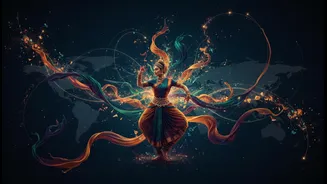
Before diving into specific styles, it helps to know the foundational trio that underpins nearly all Indian classical dance, a framework laid out in ancient texts like the Natya Shastra. First is Nritta, or pure dance. This is all about rhythm, precision,
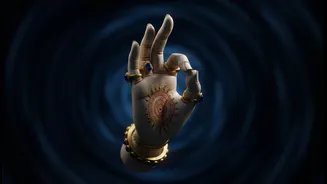
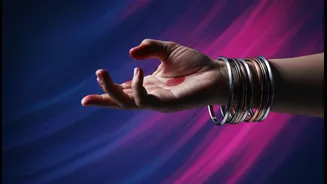
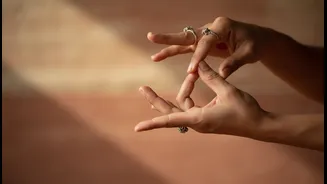
and technical skill. Think of it as the architecture of the dance, focusing on beautiful patterns of movement, footwork, and speed without telling a specific story. Next is Nritya, which infuses expression and emotion into the movements. Here, the dancer uses facial expressions (Abhinaya) and hand gestures (Mudras) to interpret the meaning and feeling of a song's lyrics. Finally, there's Natya, which is full-blown dramatic storytelling. In Natya, the dancer becomes a character, enacting narratives from mythology and epics. Understanding these three elements is the first step to seeing dance as a language, not just a spectacle.
Bharatanatyam: Geometry and Devotion
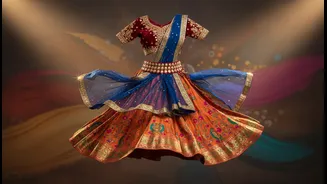
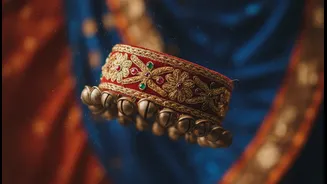
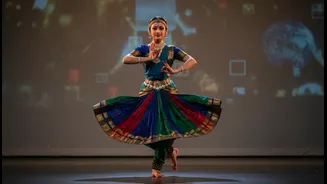
Originating in the temples of Tamil Nadu, Bharatanatyam is perhaps one of the most recognised forms. Don't just see the fan-pleated sari; look for the distinct geometry. The aesthetic is built around sharp, angular movements and a signature bent-knee posture known as Araimandi, which keeps the dancer grounded. The torso remains relatively still, creating a stable frame for dynamic limbs. The storytelling is profound, conveyed through an extensive vocabulary of symbolic hand gestures, or Mudras, and highly developed facial expressions that can communicate complex emotions and narratives from Hindu scriptures. Notice how the dancer's feet strike the floor with precision, creating rhythms that are often accentuated by ankle bells. It’s a dance of strength, devotion, and crisp visual poetry.
Kathak: Storytelling and Pirouettes
Kathak comes from the word 'Katha', meaning story, and its origins lie with the travelling bards of North India. While the flowing Anarkali-style costume is elegant, the soul of Kathak is in its role as a narrative art form. Two key features set it apart: intricate footwork and lightning-fast pirouettes (chakkars). Dancers wear heavy strings of ankle bells, or ghungroos, which become percussive instruments in their own right. Unlike the fixed torso of Bharatanatyam, Kathak allows for more fluid upper-body movement and a more upright stance. Its expressions are often more subtle and naturalistic, adapted from normal body language to convey the emotions of love, longing, and devotion, often centred on the tales of Radha and Krishna. It’s a dance where the artist is first and foremost a storyteller, using rhythm and grace to spin a tale.
Odissi: Fluidity and Sculpture
Look at an Odissi dancer, and you might feel as though a temple sculpture has come to life. This form, from Odisha on the east coast, is defined by its fluidity and sensuous grace. The most iconic element is the Tribhanga posture, a three-part bend of the body at the neck, waist, and knee, which gives the dance its lyrical, wave-like quality. The movements are circular and gentle, with the torso moving in soft undulations, a stark contrast to the rigid torso of Bharatanatyam. The storytelling often draws from the 12th-century poetic work Gita Govinda, which explores the love between Radha and Krishna. While it shares the use of Mudras and Abhinaya with other forms, the overall aesthetic of Odissi is one of poetic elegance, mirroring the divine figures carved into the walls of ancient temples.
Beyond the Big Three
The world of Indian classical dance is vast. Beyond these three, you might encounter Kathakali from Kerala, a powerful dance-drama known for its elaborate, mask-like makeup where different colours signify characters' natures (good or evil). There's also the gentle and graceful Manipuri from the northeast, with its delicate, flowing movements that seem to glide. Kuchipudi from Andhra Pradesh is unique for sometimes including dialogue and for performances where the dancer balances on the rim of a brass plate, showcasing incredible control. And Mohiniyattam, another form from Kerala, is known as the 'dance of the enchantress' for its gentle, swaying movements performed exclusively by women. Each form has its own history, vocabulary, and cultural flavour, offering a rich tapestry for anyone willing to look closer.