




What Makes a Destination 'Dark Sky'?
A dark-sky destination is more than just a remote spot with a good view. These are formally recognized areas, certified by organizations like DarkSky International, that are committed to preserving the natural darkness of the night. To earn this status,
a place must meet strict criteria for sky quality and implement responsible lighting policies to minimize light pollution. This involves using shielded fixtures that direct light downwards, opting for warmer-coloured bulbs, and turning off lights when not in use. The programme certifies parks, reserves, and even entire communities that demonstrate a long-term commitment to protecting this vanishing natural resource. This formal recognition helps protect lands for their scientific, natural, and cultural value.
The Sustainable Eco-Travel Connection
The principles of dark-sky preservation are deeply intertwined with sustainable ecotourism. The core mission is conservation. By actively reducing light pollution, these destinations protect the delicate nocturnal environment. Countless species, from migratory birds to insects and mammals, depend on natural cycles of light and dark for navigation, hunting, and reproduction. Artificial light disrupts these vital behaviours, threatening biodiversity. Therefore, visiting a dark-sky location is an act of supporting a habitat that is consciously working to minimise its ecological footprint. Furthermore, many of these destinations are in remote areas, and astrotourism provides a low-impact form of economic support for local communities through overnight stays and guided tours, often outside of peak tourist seasons.
More Than Just Stargazing
While the celestial views are the main draw, the experience goes much deeper. It’s an opportunity for digital detox and mental clarity, allowing travellers to step away from the noise of modern life. The profound darkness and quiet can help reset our own natural circadian rhythms, which are often disrupted by constant exposure to artificial light. For many, it's a chance to experience true solitude and gain perspective under a canopy of stars that have guided human cultures for millennia. This form of travel also helps preserve cultural heritage, as many indigenous communities have rich traditions and stories tied to the constellations. These destinations offer a holistic retreat that benefits both personal well-being and the environment.
India’s Emerging Starry Sanctuaries
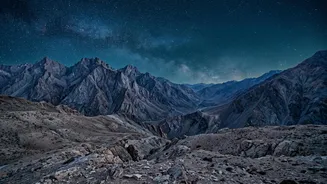
India is now home to its own officially designated dark-sky location. The Hanle Dark Sky Reserve in Ladakh, located within the Changthang Wildlife Sanctuary, is the country's first. Situated at a high altitude with a dry climate and clear skies, it's an ideal spot for astronomical observation and hosts the Indian Astronomical Observatory. The local community is being trained in astro-tourism, offering guided telescope viewings and homestays. Beyond Hanle, other areas are gaining recognition for their pristine skies. Spiti Valley in Himachal Pradesh, Pench Tiger Reserve in Madhya Pradesh (India's first dark-sky park), and remote spots in the Rann of Kutch and Jaisalmer Desert also offer incredible stargazing potential away from urban glow.
How to Be a Responsible Night-Sky Tourist
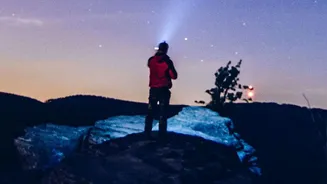
When visiting these special places, it's crucial to be a mindful traveller. The goal is to see the light, not be the light. Start by using red-light torches or headlamps, as red light is less disruptive to both nocturnal animals and your own night vision. Always stick to marked trails, especially after dark. Respect local guidelines, which may include rules on vehicle headlights and outdoor lighting at your accommodation. Support the local economy by hiring local guides and staying in community-run homestays. By following these simple practices, visitors can ensure that these starry sanctuaries remain pristine for future generations to enjoy, supporting the very conservation efforts that make the experience possible.