

The Science of Slow, Even Cooking
The magic of clay pot cooking lies in its material. Clay is naturally porous, allowing it to absorb heat slowly and distribute it evenly. Unlike metal pans that can create harsh hotspots, an earthen pot cooks food with a gentle, consistent warmth. This
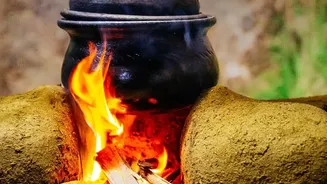
slow cooking process is crucial for preserving the integrity of your ingredients. The pot's walls retain heat for a long time, meaning food continues to cook even after it's removed from the flame, saving energy. Furthermore, the porous nature allows steam to circulate within the pot, effectively self-basting the food. This process locks in moisture, making dishes tender and flavourful without needing excessive amounts of oil or fat.
Locking in Nutrients, Not Leaching Chemicals
One of the most significant benefits for health-conscious families is superior nutrient retention. The gentle, far-infrared heat from clay cookware is less destructive to delicate vitamins and minerals compared to the harsh heat of metal pans. Studies suggest that food cooked in clay pots can retain a significantly higher percentage of its nutrients. Additionally, unglazed clay pots are free from chemical coatings like PTFE and PFOA found in many non-stick pans, which can release toxins when overheated. Because clay is naturally alkaline, it can also help neutralise the pH of acidic ingredients like tomatoes and tamarind, making dishes gentler on the stomach and easier to digest.
A Culinary Tour of India's Earthenware
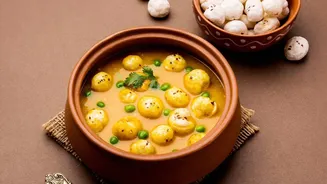
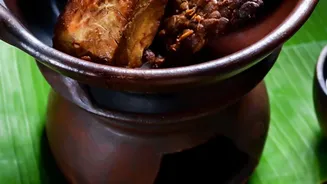
Across India, regional cuisines have long celebrated the unique properties of clay. In the south, the 'man chatti' is essential for preparing flavourful fish curries, as the clay pot intensifies the taste in a way metal cannot. In the northern states, a 'handi' is traditionally used for slow-cooking dum pukht biryani or rich meat kormas, where the sealed pot traps steam to create succulent, aromatic dishes. From Rajasthani laal maas to Bengali curries, the specific shape and type of clay pot are integral to the dish's final texture and taste. This isn't just tradition; it's a time-tested culinary technique that elevates the food.
An Eco-Friendly Choice for the Modern Kitchen
Beyond the health and flavour benefits, choosing clay cookware is a vote for sustainability. Clay is a natural, biodegradable material that comes from the earth and can easily return to it, unlike synthetic-coated pans that clog landfills. The production process for traditional earthenware is typically less energy-intensive than that for metal cookware. Because they retain heat so well, clay pots also require less energy during cooking. By opting for these durable, long-lasting vessels, families can reduce their kitchen waste and carbon footprint, aligning their daily habits with a deeper respect for the environment.
Bringing the Tradition Home
Adopting clay pot cooking is simple. Before the first use, a new pot needs to be 'seasoned'—a process that usually involves soaking it in water overnight, then filling it with rice water or applying oil and heating it gently. This strengthens the pot and prevents cracking. When it comes to cleaning, avoid harsh detergents and metal scrubbers, which can clog the clay's pores or damage the surface. A gentle scrub with baking soda or just warm water is usually sufficient. Always heat the pot gradually, starting on a low flame, and avoid sudden temperature changes, like placing a hot pot on a cold surface, to ensure your earthen cookware lasts for years.