

Discovering the Wine Regions
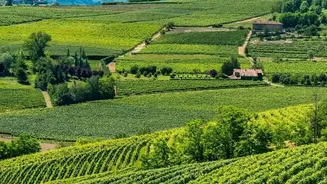
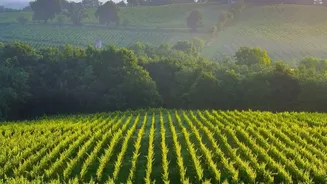
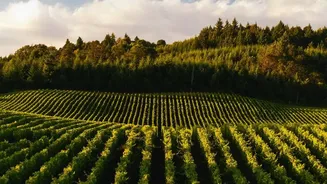
Portugal's winemaking tradition is rich and diverse, with several key regions offering distinct experiences. The most famous is the Douro Valley, a UNESCO World Heritage site where steep, terraced vineyards line the snaking Douro River. This area is the historic
home of Port wine, but its powerful, dry red wines are equally impressive. Further north lies the Vinho Verde region, a lush, green landscape that produces the light, crisp 'green wine' it's named for. For a different feel, head south to Alentejo. Known as the country's breadbasket, this vast, sun-drenched region of rolling plains is dotted with cork trees and produces robust, full-bodied red wines.
The Quinta Experience
When travelling in rural Portugal, you'll frequently encounter the term 'quinta'. A quinta is a traditional country estate, which can range from a historic manor house to a working farm. In wine regions like the Douro, a quinta is typically a wine-producing estate. Many now offer accommodation, providing an immersive experience for visitors. Staying at a quinta can involve anything from a simple room in a family home to a luxurious stay in a 'wine hotel' with a pool and restaurant. The experience often includes tours of the cellars, guided wine tastings, and sometimes even the chance to walk through the vineyards with the winemaker.
Embracing Agriturismo
For an even deeper connection to the land, consider an 'agriturismo' or farm stay. This form of tourism allows you to stay on a working farm and get a firsthand look at rural life. In Alentejo, this might mean staying on a property that harvests cork or produces olive oil. Some farms invite guests to participate in seasonal activities, like picking olives or grapes during the harvest. These stays are less about polished hotel service and more about authentic hospitality, often culminating in farm-to-table meals shared with the hosts. You can also find farms specializing in organic produce, cheesemaking, or raising livestock.
Beyond Grapes and Olives
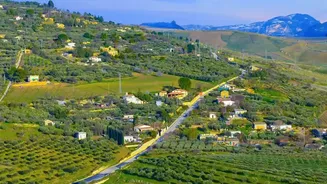
Portugal's agricultural landscape is incredibly varied. The Alentejo region is the world's largest producer of cork, and you can take tours of cork oak forests to learn about this sustainable harvest. In the south, the Algarve is known for its citrus groves, as well as almond and fig orchards. The Azores, a lush archipelago in the Atlantic, have unique agricultural traditions shaped by volcanic soil, including pineapple greenhouses and some of Europe's only tea plantations. Exploring local markets is another fantastic way to engage with the agricultural heart of the country, seeing the produce and meeting the people who grow it.
Planning Your Countryside Trip
A rental car is almost essential for exploring the countryside, offering the flexibility to visit remote wineries and sleepy villages. Be prepared for winding, narrow roads, especially in the Douro Valley. The best time to visit depends on what you want to experience. Spring (April-June) offers lush landscapes and pleasant weather. Autumn (September-October) is harvest season, which is a busy and exciting time, particularly in the wine regions. It's crucial to book accommodation and winery tours well in advance, especially during these peak times, as many quintas are small and fill up quickly. While English is common in tourist areas, learning a few Portuguese phrases will be much appreciated in more rural spots.