





Visa Rules and Documentation
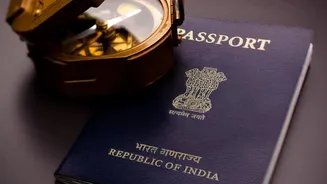
This is the first and most critical hurdle for any international trip. Before you even dream of boarding a flight, the primary question is: 'Do I need a visa?'. The good news is that Indian passport holders have visa-free or visa-on-arrival access to
numerous countries. As of September 2026, destinations like Malaysia, Thailand, Kazakhstan, and Kenya offer simplified entry for Indians. However, these policies can change with little notice. For instance, some countries have recently shifted from visa-on-arrival to requiring e-visas, which still need pre-travel online application and approval. Always check the latest requirements on the official embassy website. Ensure your passport has at least six months of validity from your travel date and a few blank pages for stamps.
The Real Budget, Not Just the Ticket Price
Experienced travellers know that the flight and hotel cost is just the tip of the iceberg. A realistic budget includes expenses for local transport, meals, travel insurance, visa fees, and a buffer for shopping and unforeseen costs. Many travellers now prefer budget-friendly comfort, seeking accommodations and experiences that offer good value. It is also wise to understand the local tipping culture and factor in entry fees for monuments and activities. When planning, research the cost of living at your destination. A simple search for meal prices or public transport fares can prevent surprises and help you manage your funds better throughout the trip.
Health, Safety, and Insurance
Post-pandemic travel has made health and safety a non-negotiable priority. The first step is to secure comprehensive travel insurance that covers medical emergencies, trip cancellations, and lost baggage. Beyond insurance, it's important to research the quality of local medical facilities and carry a basic first-aid kit with essential medicines. For many, especially solo female travellers, personal safety is a major concern. Researching safe neighbourhoods, understanding local norms, and reading recent traveller reviews can provide peace of mind. Some government advisories point to specific regional risks, so checking for official travel warnings for your destination is a prudent step.
Authentic Local Experiences
The modern Indian traveller is increasingly moving beyond templated tours. There is a growing desire for cultural immersion and authentic experiences rather than just visiting popular landmarks. This means travellers want to know about local food scenes, cultural etiquette, dress codes (especially for religious sites), and opportunities to engage with the local community. Research is shifting towards platforms like YouTube, where travel vlogs offer visual guides and genuine reviews that help plan for unique activities, whether it's exploring a specific food market or finding a scenic hiking trail. Gen Z travellers, in particular, are planning trips around experiences like concerts and cultural events.
Connectivity and Digital Payments
In our connected world, questions about staying online and making payments are crucial. Before travelling, find out the best way to get a local SIM card or if an international roaming pack from your Indian provider is more cost-effective. Many airports offer tourist SIM cards upon arrival. On the payment front, while credit cards are widely accepted, it's essential to inform your bank of your travel dates to avoid your card being blocked for suspicious activity. It's also wise to carry a forex card and some local currency for smaller shops or transport that may not accept cards. The global expansion of UPI is a new factor, and travellers are increasingly checking if they can use it for payments in their destination country.
Flexible Booking and Cancellation Policies
The travel landscape remains unpredictable, and flexibility has become a prized commodity. Before confirming flights and hotels, travellers are now carefully examining cancellation and rescheduling policies. Many online travel agencies and airlines offer flexible fares that allow changes for a minimal fee, which can be a lifesaver if plans need to shift. Reading the fine print on booking confirmations is more important than ever. Understanding the terms for refunds—whether you get your money back or a travel credit—can save you significant stress and financial loss if you have to cancel or postpone your trip.