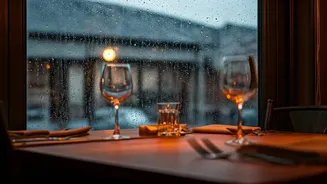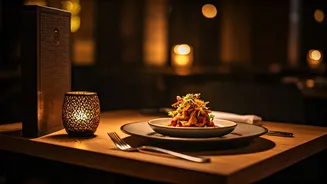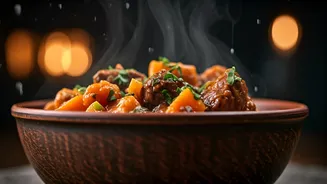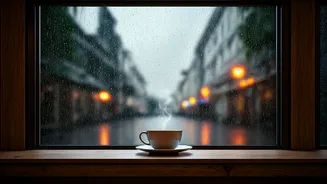


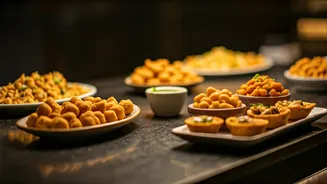


The Monsoon-Memory Connection
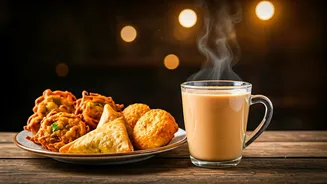
There's a reason the smell of wet earth makes you want a plate of hot pakoras. The connection between monsoons and comfort food is deeply ingrained in Indian culture. For generations, rainy days have been about slowing down, gathering with family, and enjoying
dishes that offer warmth and satisfaction. It’s a sensory experience; the cool, damp weather makes us instinctively seek out hot, calorie-dense foods that warm us from the inside. Psychologically, these foods are linked to positive emotions and memories, often transporting us back to childhood and creating a feeling of comfort that’s hard to resist.
From Street Stalls to Starters
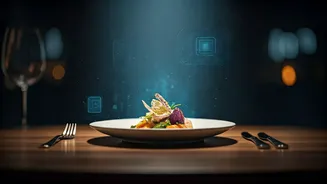
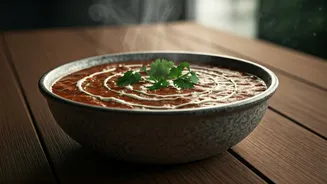
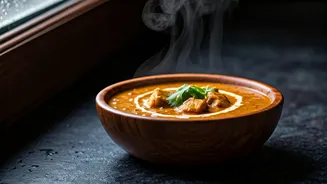
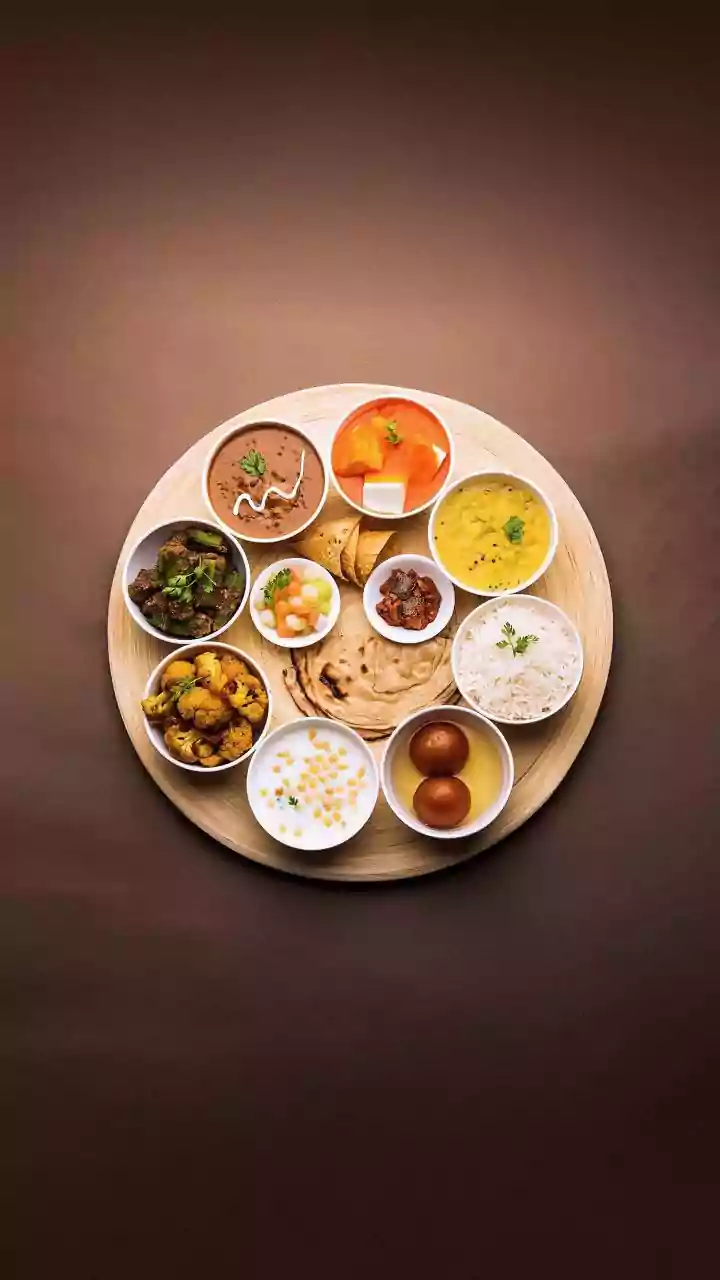
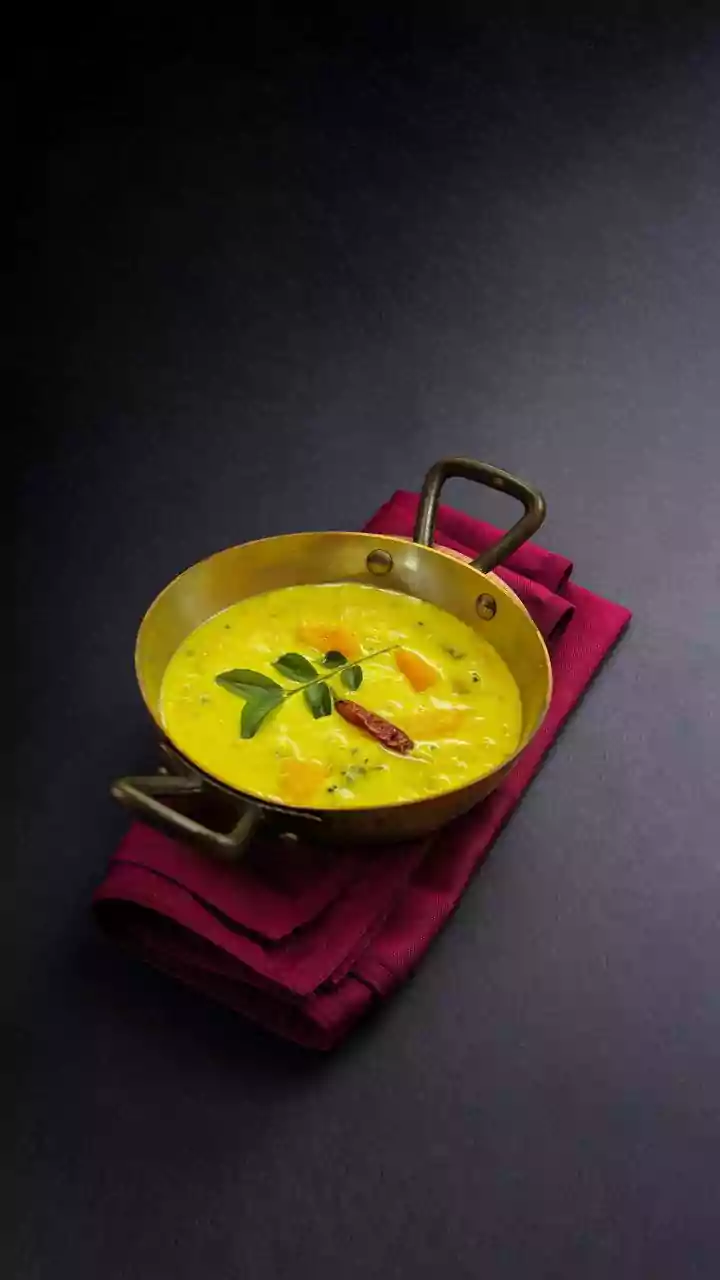
Restaurants across the country are translating this collective craving into a tangible business strategy. Limited-edition monsoon menus are popping up in cities like Mumbai, Delhi, and Bengaluru, filled with elevated versions of rainy-day classics. Think of a humble street-side snack like Vada Pav being featured in a high-end high-tea spread or a simple Samosa Chaat being presented with a gourmet twist. Eateries are offering everything from assorted ‘fritter baskets’ and ‘chai bhajia platters’ to more elaborate regional dishes like Bengali Khichuri and Bihari Litti Chokha, which are synonymous with rainy-day home cooking. These are not just meals; they are curated experiences designed to feel like a warm hug on a plate.
The Chef's Perspective
For chefs, this trend is more than just smart marketing; it’s an opportunity to connect with diners on a deeper level. Many see it as a way to share their own food memories and tell a story through their dishes. Crafting a menu that revives forgotten family recipes or reimagines beloved street food allows for both creativity and a genuine connection with customers. Chefs note that modern diners are looking for experiences that are personal and timely. A monsoon menu does exactly that, tapping into the specific mood of the season and offering something that feels both new and comfortingly familiar at the same time.
The Business of Belonging
The phrase “hook to save” in the headline is not an exaggeration. For the highly competitive restaurant industry, the monsoon can be a challenging period. The rains can deter people from dining out, leading to a potential slump. These special menus serve as a powerful draw, giving people a specific reason to brave the weather. It’s a classic example of nostalgia marketing, a strategy where brands use positive memories from the past to create a strong emotional connection. By selling a feeling—the comfort of a rainy day, the joy of a childhood snack—restaurants aren't just selling food; they are selling an experience that fosters loyalty and generates buzz, both online and offline.
More Than Just a Gimmick?
While it's easy to be cynical and dismiss this as a fleeting trend, the appeal of nostalgic food is powerful and enduring. It works because it taps into something authentic: our shared cultural and emotional response to a season. These menus are successful because they understand their audience's desires. A health-conscious diner might find an air-fried or baked version of a samosa, while a traditionalist can still find the deep-fried original. The offerings are diverse, ranging from simple masala chai and bun maska to inventive cocktails and elaborate multi-course meals. As long as the monsoon continues to evoke that specific, deep-seated craving for comfort, restaurants that cater to it will likely find a willing and hungry audience.