

Our Planetary Blind Spots
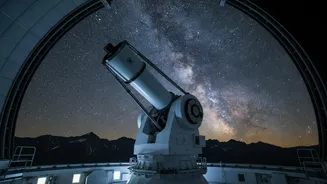
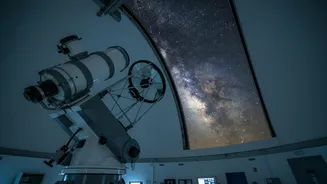
For years, dedicated surveys like the Catalina Sky Survey and Pan-STARRS have been our primary sentinels, scanning the night skies for near-Earth objects (NEOs). These ground-based telescopes have been incredibly successful, finding thousands of asteroids,
including over 90% of the ones larger than a kilometer—the kind that could cause global devastation. However, they have significant limitations. Being on Earth, they are hampered by weather, daylight hours, and atmospheric distortion. More importantly, they struggle to see asteroids that are very dark or those that approach from the direction of the Sun, whose glare effectively hides them from view. This has left a critical gap in our detection capabilities, particularly for asteroids in the 140-meter range—large enough to destroy a city—of which only an estimated 43% have been found.
A New Generation of Sentinels
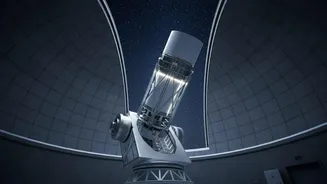
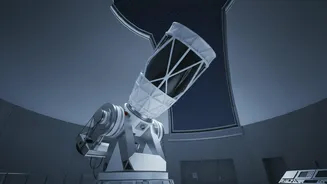
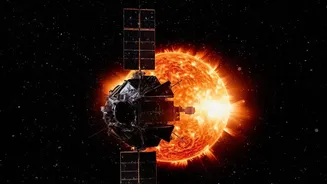
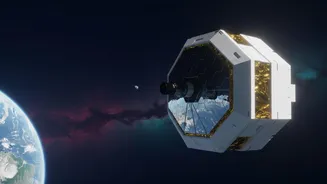
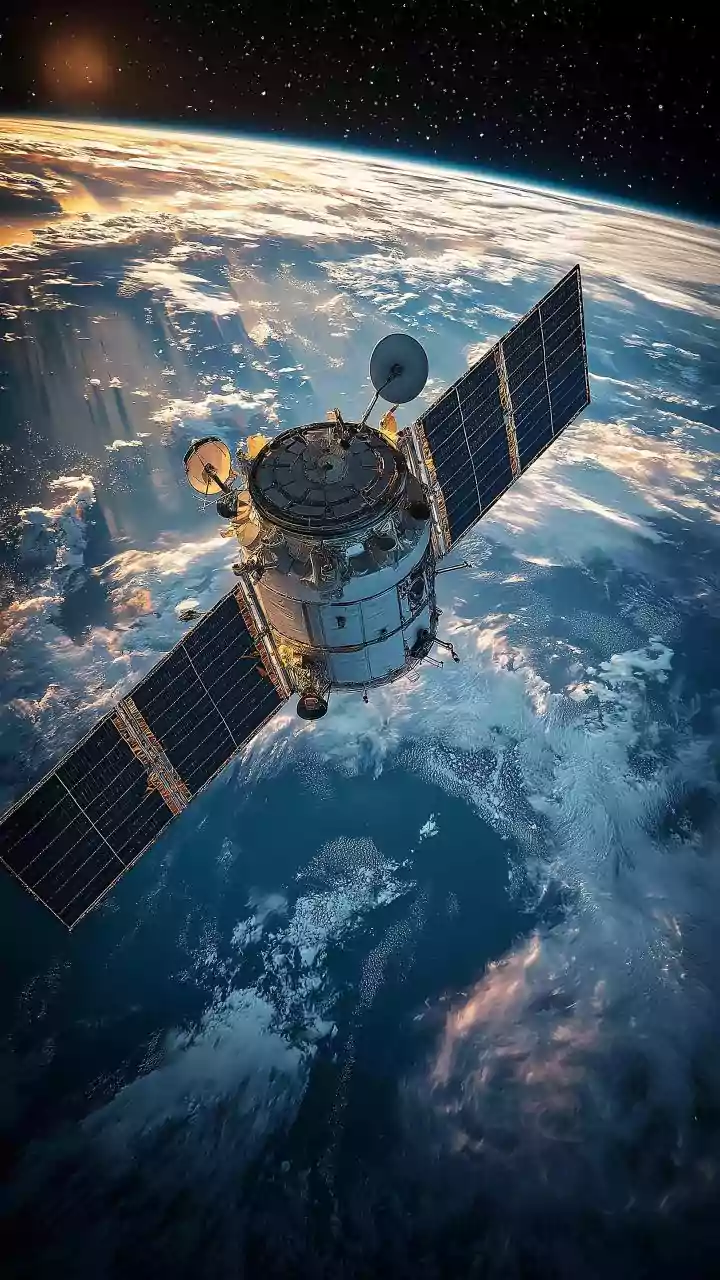
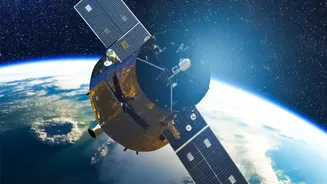
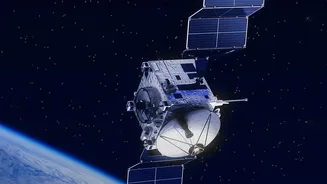
Enter the next generation of asteroid hunters. Two missions, in particular, represent a monumental leap forward: the Vera C. Rubin Observatory and NASA's NEO Surveyor space telescope. The Rubin Observatory, a ground-based facility in Chile, began its decade-long Legacy Survey of Space and Time (LSST) in mid-2026. It boasts an enormous 8.4-meter mirror and the world's largest digital camera, a 3,200-megapixel behemoth. Meanwhile, the NEO Surveyor is a space-based telescope scheduled to launch no later than 2028. Unlike Rubin, it will be positioned 1.5 million kilometers from Earth at a stable gravitational point, allowing it to scan for threats without the interference of our planet's atmosphere or the blinding glare of the sun.
Seeing in a Different Light
What makes these telescopes game-changers is not just their size or location, but how they see. The Rubin Observatory's immense camera and wide field of view will scan the entire southern sky every few nights, creating a high-resolution cosmic movie. This rapid, repeating survey will allow it to spot the faint, fast-moving streaks of light that betray the presence of new asteroids. It is expected to find millions of new asteroids in its first few years, dramatically increasing the known population. The NEO Surveyor, on the other hand, is designed to see what optical telescopes miss. It operates in the infrared spectrum, detecting the heat that asteroids emit after being warmed by the sun. This is crucial for finding very dark, non-reflective asteroids—like pieces of charcoal—that are nearly invisible to ground-based surveys. By sensing their heat signature, NEO Surveyor can spot them regardless of their surface brightness.
From Detection to Defense
Finding these asteroids is the critical first step in planetary defense. The U.S. Congress tasked NASA with finding 90% of NEOs larger than 140 meters, a goal that has been difficult to reach with current tools. The Rubin Observatory and NEO Surveyor are specifically designed to close this gap. Rubin is expected to find nearly 90,000 new NEOs and raise the discovery rate of those over 140 meters to around 70%. NEO Surveyor's mission is to find 90% of these city-killer-sized objects within 10 years of operation. Identifying these objects early—years or even decades before a potential impact—is paramount. It provides the crucial lead time needed for missions like NASA’s DART (Double Asteroid Redirection Test), which successfully demonstrated our ability to alter an asteroid's trajectory. The more warning we have, the more options we have to protect Earth.