




Mastering the Art of Layering
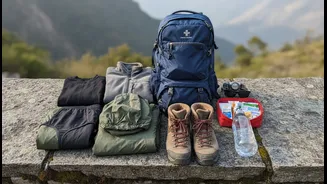
The key to comfort in the Himalayas' unpredictable weather is layering. The temperature can change abruptly, dropping to 5 degrees Celsius or lower. Instead of a single heavy jacket, pack multiple layers that you can add or remove as needed. Start with
a moisture-wicking thermal base layer to keep sweat away from your skin. Add a warm fleece or wool sweater as a mid-layer for insulation. Your outermost layer must be a waterproof and windproof jacket and trousers to protect against sudden rain and chilly winds, which are common along the route. For women, salwar kameez or tracksuits are more suitable than a saree.
Essential Footwear and Trekking Gear
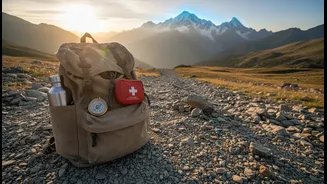
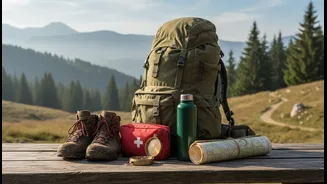
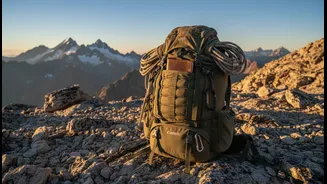
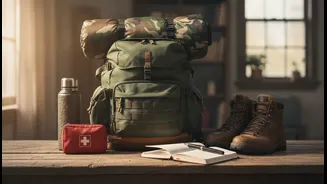
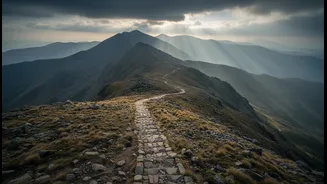
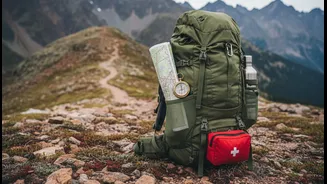
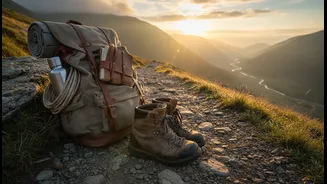
You will be trekking across steep, uneven, and sometimes slippery paths. Sturdy, waterproof trekking shoes with good ankle support and a strong grip are non-negotiable. Crucially, make sure your shoes are well broken-in before the Yatra to prevent painful blisters. Do not wear slippers or new shoes. A walking stick or trekking pole is highly recommended to provide stability on inclines and reduce strain on your knees. Also, carry a comfortable, waterproof backpack to keep all your belongings dry, along with a rain cover for extra protection.
Health, Hygiene, and First-Aid
High altitude poses a real risk of Acute Mountain Sickness (AMS). It's wise to consult a doctor about preventative medication before your journey. Your personal medical kit should include any prescribed medications, along with basics like painkillers, bandages, antiseptic cream, and medication for nausea or diarrhoea. Sunscreen and lip balm with SPF are essential to protect against strong UV radiation at high altitudes. Carry personal toiletries, including hand sanitiser, wet wipes, and a quick-drying towel.
Mandatory Documents and Identification
Entry to the Yatra route is strictly controlled. You must carry all required documents at all times. This includes your Yatra Permit, issued by the Shri Amarnathji Shrine Board (SASB), and a Compulsory Health Certificate (CHC) from an authorised doctor. A government-issued photo ID, such as an Aadhar card or passport, is also mandatory. Before starting the trek, you will need to collect your RFID (Radio Frequency Identification) card, which is used for tracking and safety. Keep these documents in a waterproof pouch.
Sustenance and Snacks
While langars (community kitchens) provide free meals along the route, it is vital to carry your own supply of high-energy snacks. Pack items like dried fruits, nuts, chocolates, and roasted chana for a quick energy boost during the trek. Staying hydrated is crucial for acclimatisation, so carry a reusable water bottle and drink plenty of water throughout the day. Note that the SASB has a list of prohibited food items, which generally includes non-vegetarian food, alcohol, junk food, and heavily fried items, to promote pilgrim health.
What Not to Bring
To ensure safety and respect the environment, certain items are best left behind. The use of plastics is strictly banned, so avoid carrying plastic bags. Do not attempt the trek in inappropriate footwear like slippers or sandals. The official guidelines also prohibit intoxicants and non-vegetarian food. To travel light and reduce strain, pack only the essentials and avoid carrying heavy, unnecessary items. A well-prepared, lighter backpack makes the journey significantly more manageable and enjoyable.