



More Than Just a Thread
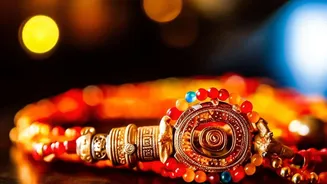
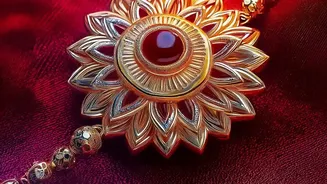
The traditional Rakhi, often made with non-biodegradable materials like polyester thread, plastic beads, and foil, is getting a modern, eco-conscious makeover. Today's sustainable Rakhis are crafted from materials that are kind to the earth. The most
popular among these are plantable seed Rakhis, which are made from handmade paper embedded with seeds of flowers like marigolds or herbs like basil. After the festival, instead of being discarded and adding to landfill waste, these Rakhis can be planted in soil to grow into a living plant, serving as a lasting symbol of the sibling bond. Other eco-friendly options include Rakhis made from natural materials like cotton, jute, bamboo, and clay, often colored with natural dyes. These designs eliminate plastic and promote materials that can decompose naturally.
The Millennial and Gen Z Influence
The driving force behind this trend is a powerful shift in consumer values, led by a younger, more environmentally aware generation. For many young people in urban India, sustainability is no longer a niche interest but a core principle that guides their purchasing decisions. They are acutely aware of issues like plastic pollution and climate change, and they want their festive celebrations to reflect their values. Choosing a seed Rakhi or a handmade cotton one is a conscious decision to reject single-use plastic and reduce their carbon footprint. This act transforms Raksha Bandhan from a purely traditional ritual into a statement of personal and global responsibility, blending age-old customs with modern sensibilities.
A Symbol of Conscious Gifting
The appeal of an eco-friendly Rakhi goes beyond just its material composition; it's about the story it tells. Gifting a plantable Rakhi is a deeply symbolic gesture. It represents a relationship that, like the seed, is meant to be nurtured and grown. This sentiment resonates strongly with a generation that often prefers meaningful experiences and purposeful gifts over generic items. The act of planting the Rakhi together or watching it sprout becomes a shared activity that extends the celebration long after the day is over. It's a gift that keeps on giving, turning a one-day observance into a lasting, living memory. This aligns with broader trends in 2026 where personalization and experience-driven gifting are becoming highly valued.
Empowering Artisans and Local Economies
The sustainable Rakhi trend also has a significant social impact. A large number of these eco-friendly Rakhis are handcrafted by local artisans and women's self-help groups across the country. By choosing these products, consumers are directly supporting skilled craftspeople and helping to preserve traditional art forms like embroidery and natural dyeing. This creates a vital source of livelihood for artisan communities, many of whom have been impacted by the rise of mass-produced, factory-made goods. For many young buyers, the knowledge that their purchase empowers a local maker adds another layer of value to the gift, making it a vote for a more equitable and sustainable economy.
How the Market Is Responding
Both online marketplaces and local stores have been quick to recognize this growing demand. Platforms that once focused solely on traditional designs now feature extensive collections of eco-friendly and plantable Rakhis. Many small, sustainability-focused businesses have emerged, using social media to reach customers in major metros like Mumbai, Delhi, Bengaluru, and Pune, as well as a growing number of Tier-2 and Tier-3 cities. While these Rakhis can be slightly more expensive than their plastic counterparts, reflecting the cost of natural materials and handmade production, a growing number of consumers are willing to pay the premium for a product that aligns with their values.