

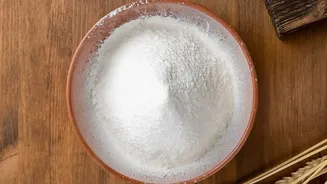
The Kitchen's Newest Secret Ingredient
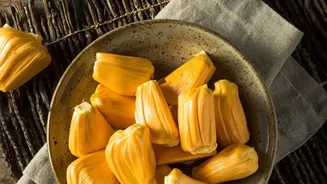
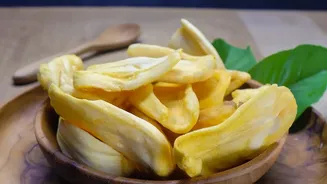
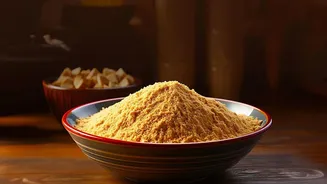
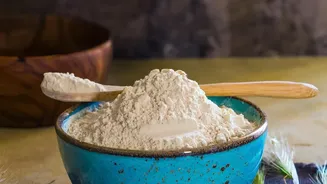
In the world of sustainable eating and food innovation, a humble ingredient is quietly making its way from the compost bin to the pantry. Jackfruit seed flour, made by drying and grinding the seeds of the popular tropical fruit, is emerging as a versatile
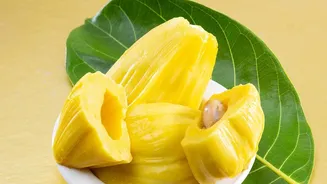
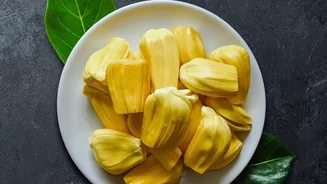
and nutritious alternative to traditional flours. Historically, these seeds were often boiled or roasted in South Asian cuisines, but their potential as a baking flour is a recent development gaining traction among health-conscious consumers and chefs. The process transforms what is typically considered agricultural waste—jackfruit seeds make up nearly 20% of the fruit's weight—into a valuable food product, embodying a true waste-to-wonder philosophy.
A Sustainable and Eco-Friendly Choice
The primary appeal of jackfruit seed flour lies in its sustainability. Every year, huge quantities of jackfruit seeds are discarded during processing. By upcycling these seeds into flour, we reduce food waste and create a more circular food system. This practice not only alleviates the environmental burden of agricultural waste but also taps into an underutilised nutritional resource. For home bakers looking to make more eco-conscious choices, incorporating this flour is a simple way to contribute to a less wasteful food chain, turning a by-product into a staple ingredient.
The Nutritional Powerhouse
The health benefits are just as compelling as the environmental ones. Jackfruit seed flour is a nutritional powerhouse, boasting a significantly higher protein content than many common flours. Studies show it can contain around 13-15g of protein per 100g, which is more than wheat flour (around 11-12g) and ragi flour (around 8g). It is also rich in dietary fibre, essential minerals like potassium, calcium, and iron, and vitamins such as thiamine and riboflavin. This impressive profile makes it an excellent choice for enriching baked goods, boosting their nutritional value without compromising on taste. It's also a gluten-free option, making it suitable for those with sensitivities.
Baking with Jackfruit Seed Flour
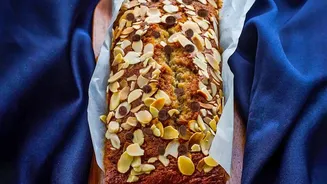
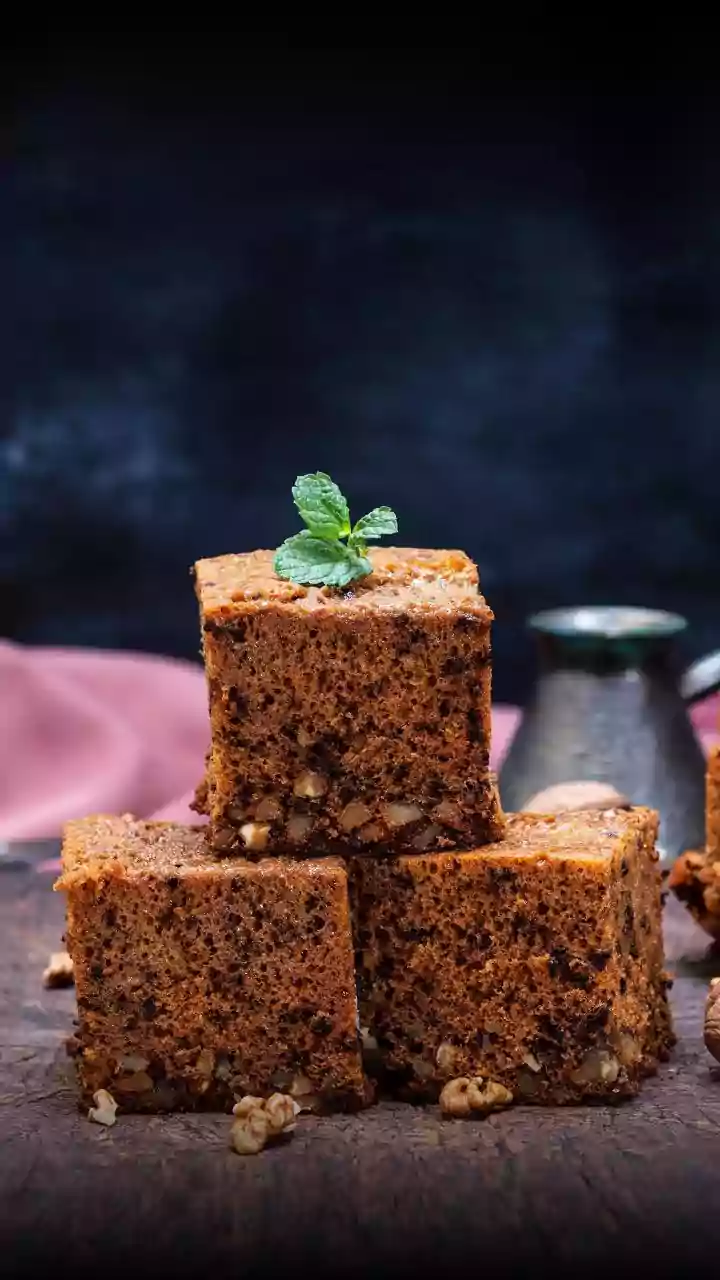
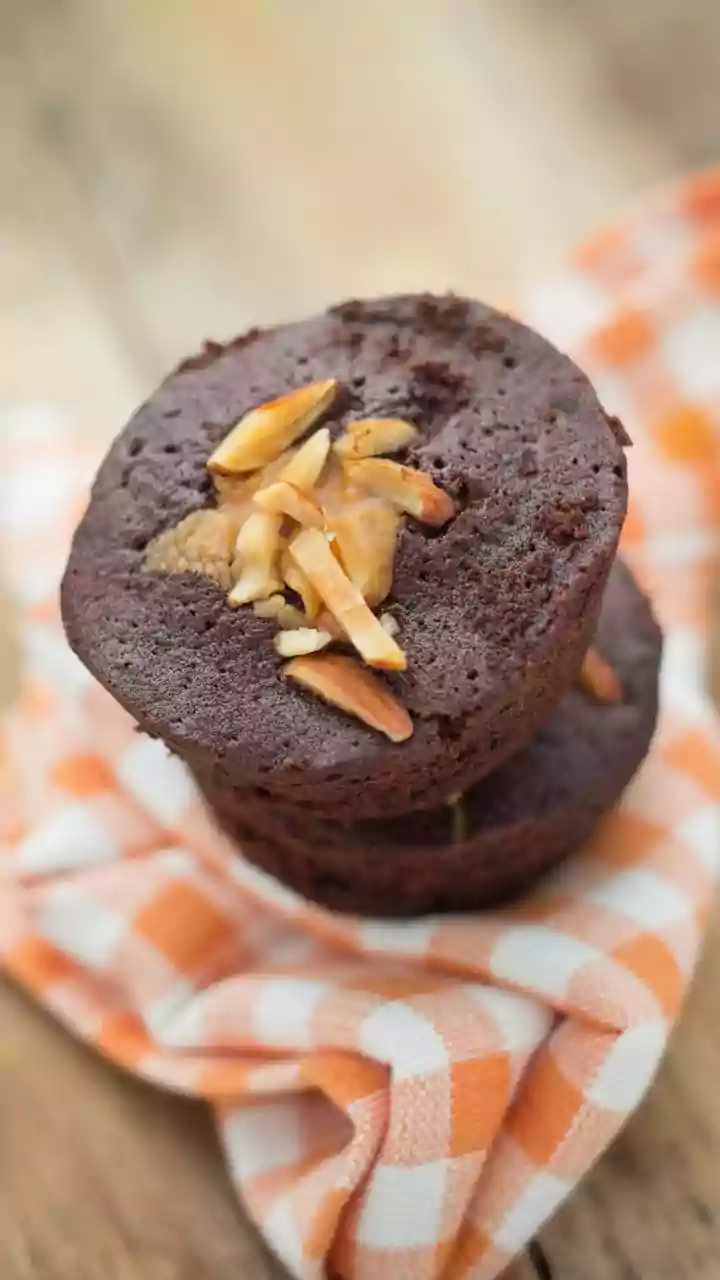
So, how does it perform in the kitchen? Jackfruit seed flour has a mild, slightly nutty flavour that integrates well into a variety of recipes. Due to its unique properties, it's not always a direct one-for-one substitute for wheat flour. For best results, experts suggest starting by substituting a small portion of your regular flour—typically between 10% and 25%—with jackfruit seed flour. This ratio has been shown to enhance the protein and fibre content in products like cookies, muffins, and cakes without negatively impacting the taste or texture. In some recipes, like flatbreads or pancakes, you can use a higher proportion. Its ability to absorb water and act as a binding agent can also improve the texture of some gluten-free bakes.
Where to Find It and How to Start
As the trend grows, jackfruit seed flour is becoming more accessible. You can find it online through specialty food retailers and on platforms like IndiaMART and Flipkart, often marketed for its health benefits, including for those managing diabetes. For the adventurous cook, it's also possible to make at home by boiling, peeling, drying, and grinding the seeds. A simple way to start is by adding a spoonful to your daily chapati dough, dosa batter, or even smoothies to effortlessly boost your nutrient intake. Whether you buy it or make it, it’s an exciting new ingredient to experiment with.