






The Takeout Bubble Begins to Burst
Not long ago, ordering food online felt like a modern luxury. A few taps on a smartphone, and a hot meal would appear at your doorstep. But the honeymoon period is showing signs of ending. Between rising restaurant prices, new platform fees, delivery
charges, and the endless scroll through underwhelming options, the convenience of takeout is starting to feel less convenient and far more costly. Many urban Indians are now looking at their monthly expenses and asking a simple question: is it worth it? For a growing number, the answer is a resounding 'no', as they turn back to their own kitchens for a smarter solution.
The Glorious Return of Veg Pulao
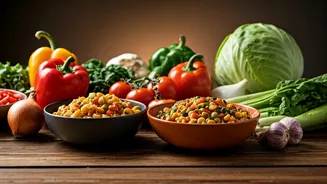
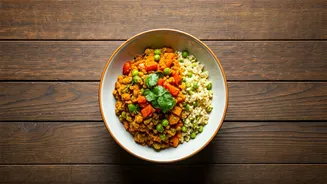
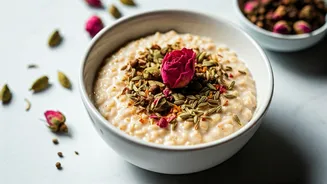
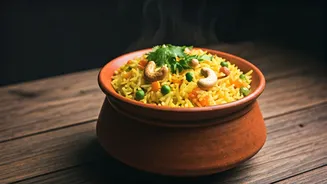
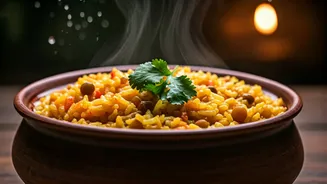
In this quest for an alternative, one dish is emerging as the quiet hero: the humble vegetable pulao. This one-pot wonder has always been a staple in Indian homes, known for being quick, comforting, and incredibly versatile. But now, it’s being seen in a new light. It’s not just a quick weeknight dinner; it’s a strategic move against inflation and 'decision fatigue'. A single pot of fragrant rice, studded with colourful vegetables and aromatic spices, represents everything that expensive takeout often lacks: wholesomeness, affordability, and the personal touch of a home-cooked meal. It's the perfect antidote to the impersonal, transactional nature of food delivery.
The Unbeatable Economics of Home Cooking
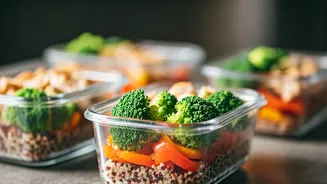
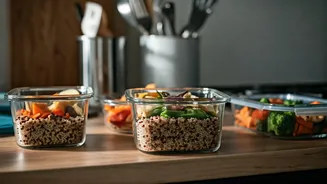
Let’s talk numbers. A single order of a main course and a side from a mid-range restaurant can easily cost between ₹400 and ₹600 for one person after all fees are included. Now, consider the cost of making veg pulao at home. The ingredients—good quality basmati rice, seasonal vegetables like carrots, peas, and beans, a handful of whole spices, and some ginger-garlic paste—cost a fraction of that. For the price of one takeout meal, you can prepare a large pot of pulao that yields four to five servings. It’s a meal that can cover dinner tonight, lunch tomorrow, and perhaps even one more meal after that. The financial logic is undeniable, making it a powerful tool for anyone trying to manage their household budget more effectively.
More Than Just Money: Health and Control
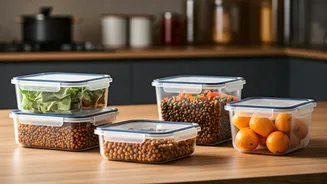
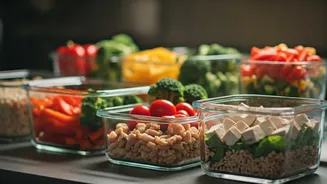
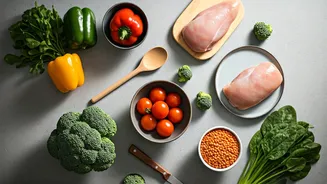
The benefits of swapping takeout for pulao extend far beyond your wallet. When you cook at home, you have complete control over your ingredients. You decide how much oil to use, the quality of the vegetables, and the amount of salt. Restaurant food, while delicious, is often loaded with excess oil, sodium, and sometimes MSG to enhance flavour, which can leave you feeling heavy and lethargic. A home-cooked pulao, on the other hand, can be as healthy as you want it to be. You can load it with extra vegetables, add protein like paneer or soya chunks, or use brown rice for a healthier grain. This shift isn't just about saving money; it’s about investing in your long-term health and well-being.
Making the Perfect Pulao Is Easy
The beauty of veg pulao lies in its simplicity. You don't need to be a master chef to create a delicious and satisfying dish. The basic formula is straightforward: sauté whole spices (like cinnamon, cloves, and bay leaves) in ghee or oil, add onions, ginger, and garlic, toss in your chopped vegetables, and then add the soaked rice and water. Cook it in a pressure cooker for about 10-12 minutes, and you're done. The variations are endless. Use leftover vegetables from your fridge, experiment with different spice mixes like biryani masala for a richer flavour, or throw in some cashews and raisins for a touch of sweetness. Every pot can be a new culinary adventure.