




The Invisible Invasion: What Are Microplastics?
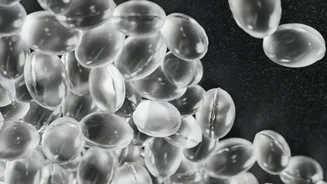
First, let's break down what we're dealing with. Microplastics are minuscule fragments that come from two main sources. Primary microplastics are intentionally manufactured small, like the microbeads once common in personal care products. Secondary microplastics,
however, are the result of larger plastic items—like bags, bottles, and fishing nets—breaking down over time due to sun, wind, and water. Because they don't easily biodegrade, they simply fragment into smaller and smaller pieces, accumulating in the environment and creating a persistent pollution problem.
From the Ground Up: Contamination Through Soil
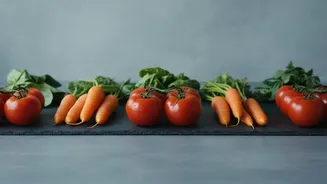
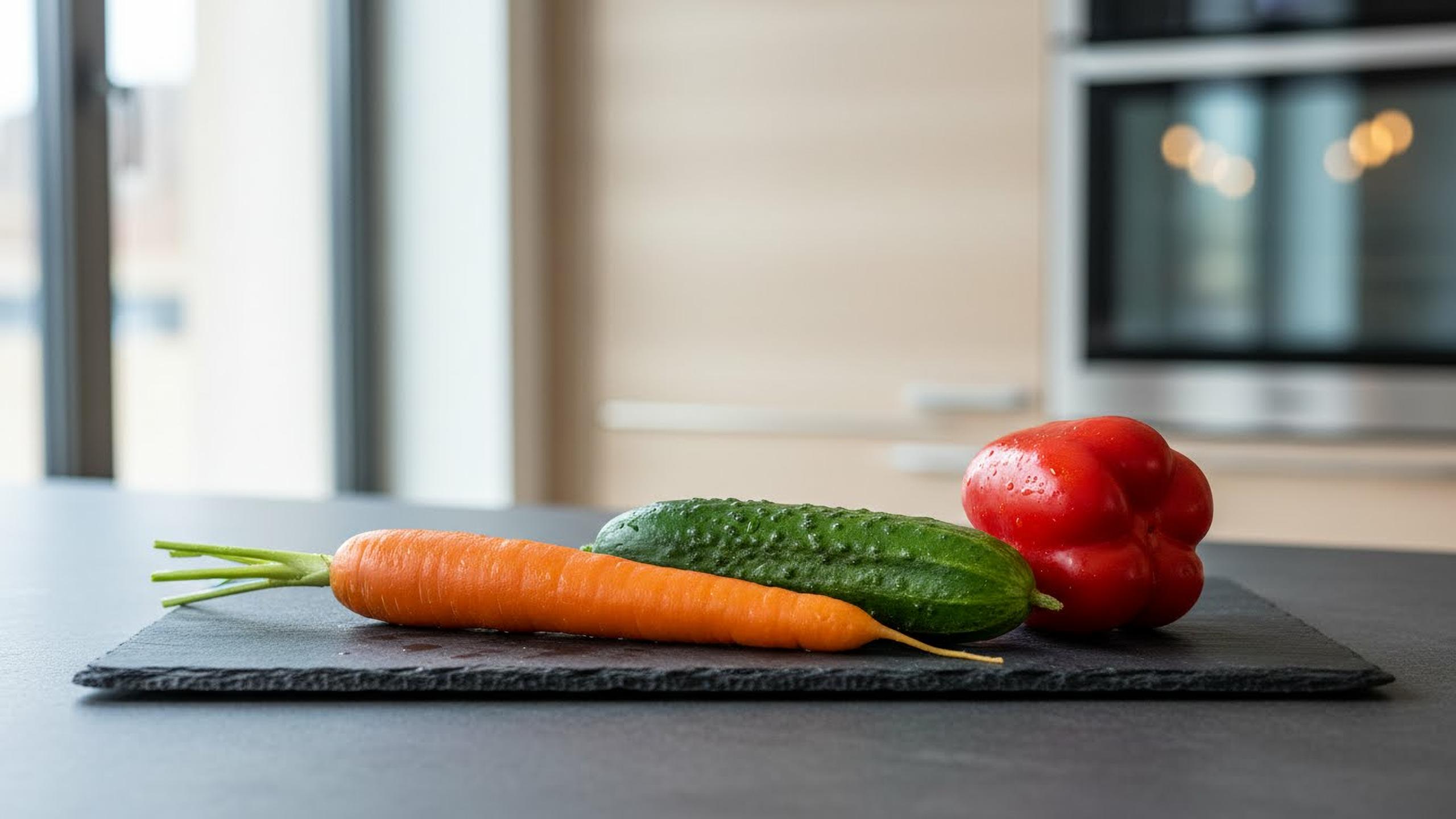
A surprising amount of microplastic contamination starts in the very soil our food grows in. Agricultural lands can contain even higher concentrations of microplastics than oceans. One major source is the use of plastic in farming itself, such as plastic mulch films used to conserve water and suppress weeds. These films degrade over time, leaving fragments in the soil. Another significant pathway is through the use of treated sewage sludge (biosolids) as fertilizer. Wastewater carries fibres from synthetic clothing and particles from urban runoff, which get concentrated in sludge and then spread on farmland. Research shows that tiny nanoplastics can be absorbed by plant roots and transported into the edible parts of crops, including root vegetables like carrots and potatoes. While the amounts detected so far are low, this confirms a direct pathway from farm soil into our food chain.
The Aquatic Pathway: Water and Seafood
Oceans, rivers, and lakes are massive reservoirs for plastic waste. An estimated eight million metric tons of plastic enter the oceans annually. This plastic breaks down into microplastics that are inevitably consumed by marine life. Fish, shellfish, and crustaceans mistake these particles for food. While many particles remain in the digestive tract, which is often removed before eating, this isn't always the case. For small fish like sardines that are eaten whole, or for shellfish like mussels, human exposure is more direct. Beyond seafood, microplastics are also found in both tap and bottled drinking water. Studies have shown bottled water can contain significantly more plastic particles than tap water, likely due to the plastic bottle and cap themselves. Microplastics also contaminate other products like beer, honey and salt.
Wrapped in Plastic: The Packaging Problem
The journey of microplastics doesn't end when food is harvested. The packaging it comes in is another major source of contamination. A 2026 study estimated that thousands of tons of microplastics can migrate from packaging into food every year. This can happen through simple friction and degradation. Bottle caps, plastic-lined containers, and flexible pouches can all shed particles into their contents. The process can be accelerated by factors like heat, or if the food is particularly fatty or acidic, which can increase the transfer of plastic particles and chemicals. Even something as simple as opening a plastic container or cutting on a plastic board can generate microplastics that end up in your meal.
Are They Harmful? The Health Question
The big question remains: what does this mean for our health? The science is still evolving, and there is no definitive consensus yet on the direct health risks from the levels of microplastics currently found in food. However, there are areas of concern for researchers. Studies on animals and human cells have linked microplastic exposure to issues like inflammation, immune system disruption, and cell damage. Another worry is that microplastics can act like tiny sponges, absorbing and concentrating other harmful pollutants like pesticides or heavy metals from the environment, potentially carrying them into our bodies. Researchers are working to understand the long-term effects of this chronic, low-level exposure.