

From Stargazer to Scientist
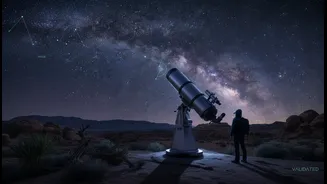
The gap between professional astronomers and enthusiastic amateurs is shrinking. Citizen science is a global movement that invites the public to participate in scientific research, and astronomy is one of its most vibrant frontiers. With professional telescopes
able to collect more data than scientists can analyze alone, a new era of collaboration has dawned. Projects across the world, and increasingly in India, are empowering ordinary people to classify galaxies, track asteroids, and even discover new celestial phenomena from their own homes or local communities. This collaboration isn't just about outsourcing work; it's about leveraging the unique power of the human eye and brain, which can often spot patterns and anomalies that automated algorithms miss. The result is a democratisation of discovery, where a passion for the cosmos is the only real prerequisite.
The Power of the People's Telescope
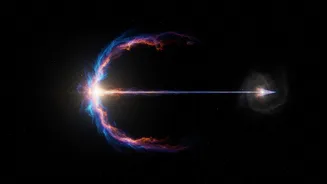
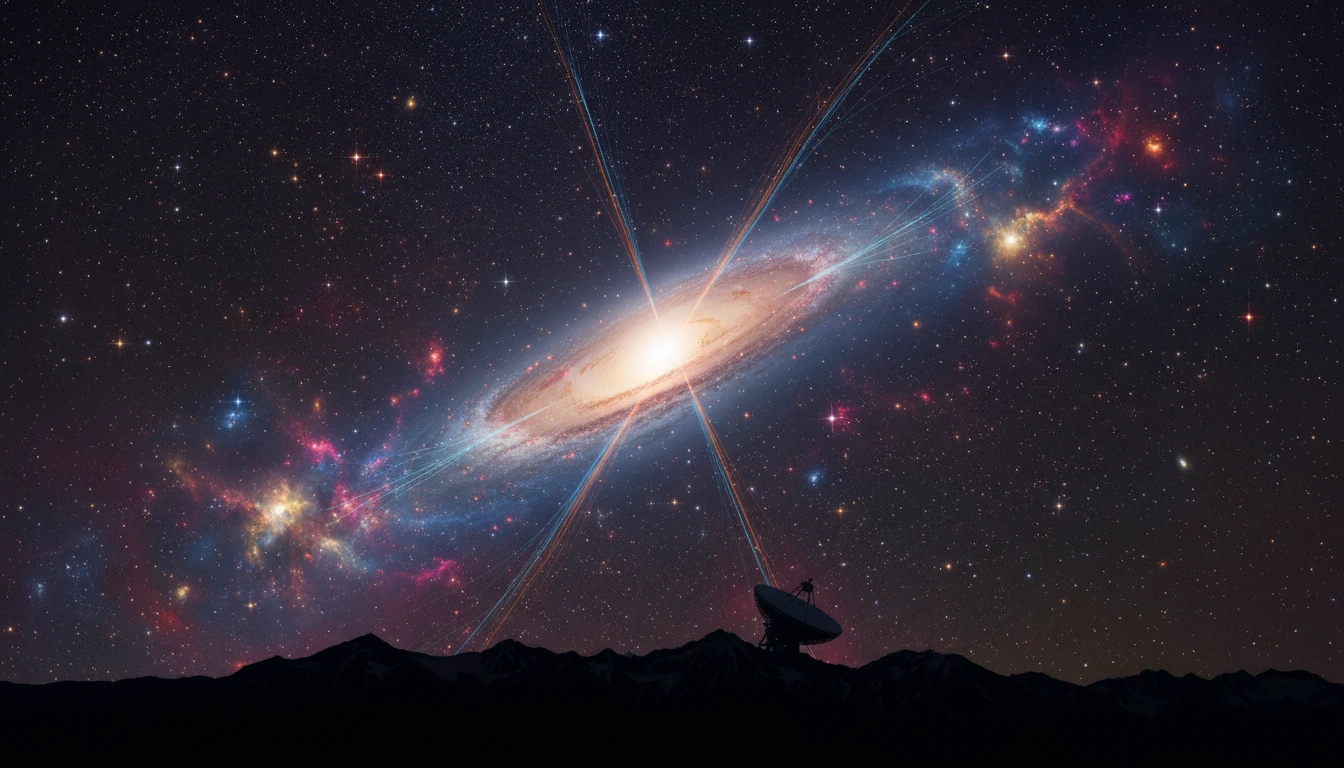
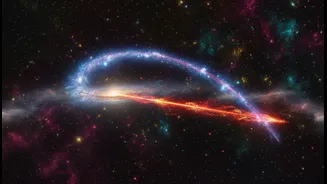
Recent breakthroughs highlight the incredible potential of this collaborative model. For instance, RAD@home, an Indian citizen science network, recently enabled a volunteer to discover a unique 'bow-and-arrow' shaped radio galaxy during an online training session. This object, which automated systems had overlooked, represents a structure scientists had not clearly seen before. Similarly, amateur astronomers from ISRO captured stunning, high-quality images of a supernova using a simple DSLR camera and basic tracking equipment, demonstrating that significant contributions don't always require expensive gear. These successes prove a vital point: when professionals provide the data and guidance, amateurs can provide the scale and fresh perspectives needed to push the boundaries of our knowledge. Every observation, no matter how small, can be a piece of a larger cosmic puzzle.
Join the Cosmic Quest in Sikkim and Beyond
While there isn't a single official body named 'Sikkim Citizen Science Astronomy', the spirit of this headline is alive and well. The state is a hub of scientific activity, with organisations like the Sikkim State Council of Science and Technology promoting awareness and SRM University in Gangtok hosting international astrophysics symposiums. The region's clear skies also make it a prime location for initiatives like 'Astrostays' in nearby Ladakh, which trains locals for astro-tourism and community-led observation. For those looking to get involved from anywhere in India, the path is clearer than ever. Platforms like Zooniverse host dozens of projects like Galaxy Zoo and Planet Hunters, where you can contribute by classifying images online with no equipment needed. Astronomy clubs, such as the India Astronomy Club (IAC) and others, offer workshops, star parties, and courses on everything from basic observation to telescope making.
Your First Steps into the Universe
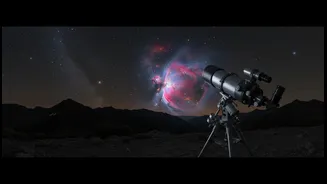
Getting started is simpler than you might think. You don't need a PhD or a giant telescope. Often, all you need is a computer, a smartphone, or even just a pair of binoculars and a notebook. Start with user-friendly planetarium apps like Stellarium or SkySafari to familiarise yourself with the night sky from your location. Explore online citizen science portals to find a project that sparks your interest – whether it's hunting for planets, classifying galaxies, or even analysing data from the Hubble Space Telescope. If you prefer a more hands-on approach, connect with a local or national astronomy club. These communities are welcoming to beginners and provide invaluable mentorship, group observation nights, and practical skills workshops. The key is to start with what you have and follow your curiosity. Your contributions, combined with those of thousands of others, help create massive datasets that fuel professional research.
More Than Just Data
The validation of an amateur observation by the scientific community is a powerful moment, but the benefits of citizen science extend far beyond the data points. For participants, it's an opportunity to learn, to connect with a global community of like-minded individuals, and to experience the genuine thrill of discovery. It fosters a deeper appreciation for the scientific process and the universe we inhabit. For science, it builds a crucial bridge with the public, creating a more engaged and scientifically literate society. It's a symbiotic relationship where everyone wins. As machine learning and AI become more sophisticated, the role of citizen scientists is evolving to work in tandem with technology, training algorithms and verifying their results in a powerful human-machine partnership.