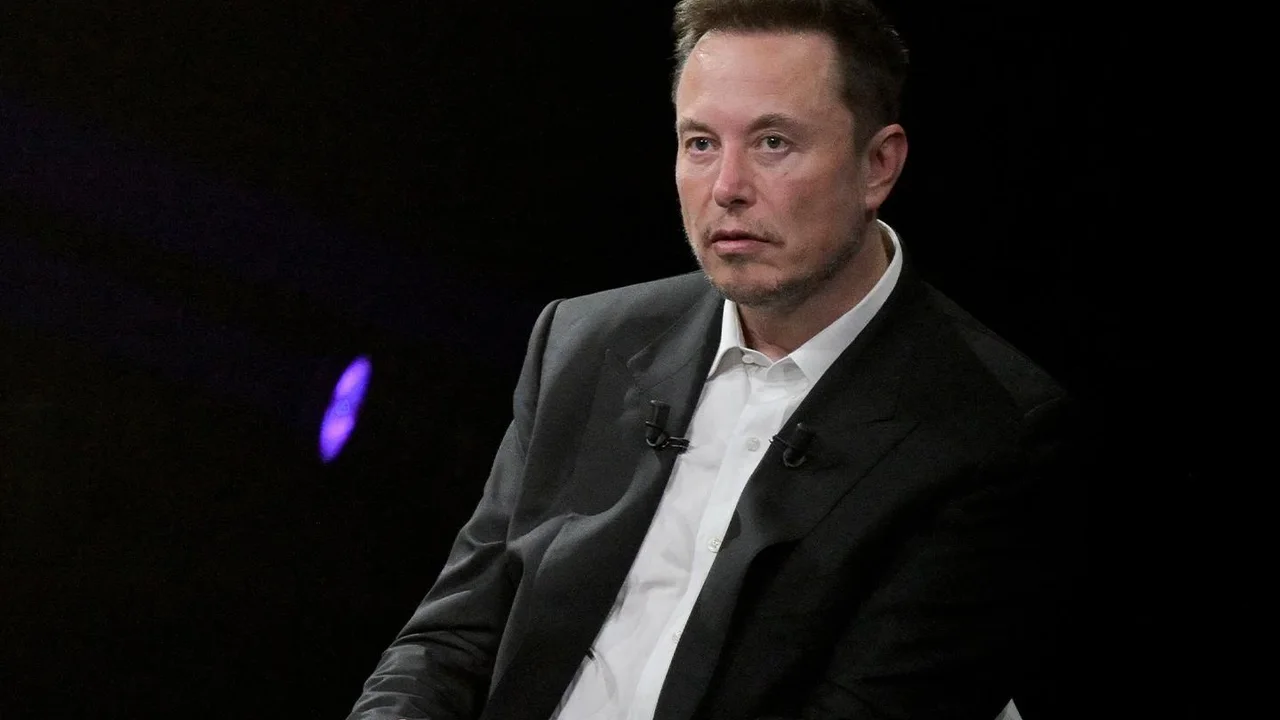






As artificial intelligence becomes more powerful, its thirst for electricity and resources is skyrocketing. Elon Musk's proposed solution sounds like science fiction: move the massive data centers that power AI into space.
The Problem: An Energy-Hungry Earth
The artificial intelligence boom
is running into a hard, physical wall. The massive data centers required to train and operate advanced AI models are consuming electricity at a staggering rate. According to the International Energy Agency, the electricity consumption of data centers is projected to more than double by 2030, with AI being the primary driver of this growth. Some large-scale AI facilities can require as much power as a small city. This immense demand is straining power grids, causing bottlenecks in development, and raising environmental concerns over energy and water usage. In some regions, securing a grid connection for a new data center can take years, creating a significant roadblock for technological advancement. It is this terrestrial crunch that has prompted tech leaders like Musk to look for radical alternatives.
The Pitch: Solar-Powered AI in Orbit
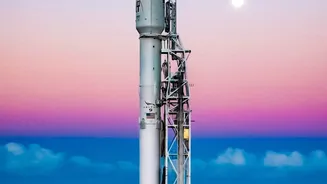
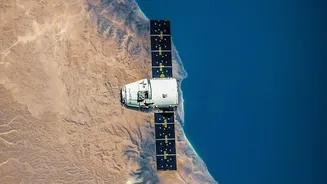
The core of Musk's proposal is to shift these energy-intensive operations from Earth to space. The main attraction is the abundant and near-constant solar energy available in orbit. Satellites in certain orbits can harvest sunlight around the clock, free from weather or night cycles, generating significantly more power than a similar-sized solar panel on Earth. Musk argues that this could make space the most cost-effective location for AI computing within a few years, a claim many experts view with skepticism, citing timelines closer to a decade or more for parity. The vision involves a constellation of satellites, potentially numbering in the millions, that function as an interconnected, orbital supercomputer. Companies like SpaceX and Google are already taking initial steps, launching prototype satellites to test the viability of running AI hardware in the harsh environment of space.
The Mars Connection: A Planetary Super-Brain
For Musk, off-Earth computing is not just about solving Earth's energy problems; it is a foundational step toward his long-term goal of colonizing Mars. A self-sustaining city on another planet would require immense local computing power for robotics, life support, and data processing. Some proposals even envision building a massive AI training center on Mars itself. The planet's naturally cold environment could help solve the immense cooling challenges that plague terrestrial data centers, which currently rely on massive amounts of air or water. While the communication delay between Earth and Mars makes it impractical for real-time tasks, it would not hinder the long term process of training powerful AI models. This Martian superintelligence could then, in theory, accelerate problem solving for humanity and even generate the economic value needed to fund further space colonization.
The Astronomical Hurdles Ahead
Despite the bold vision, the challenges of implementing off Earth computing are immense. The first and most obvious is cost. Even with reusable rockets, launching the sheer mass of hardware required for a data center is extraordinarily expensive—potentially costing three times as much as a terrestrial facility. Second, space is an incredibly hostile environment for sensitive electronics. Cosmic radiation can degrade components and corrupt data, requiring specialized, 'radiation hardened' chips that are more expensive and less powerful than their commercial counterparts. Another major issue is heat. While space is cold, it is a vacuum, meaning heat cannot be carried away by air. It must be radiated away using large, heavy radiator panels, which adds to launch mass and cost. Finally, there is the issue of maintenance. If a component fails in orbit, it is practically impossible to repair, making hardware obsolescence a critical problem.