





The Cracks in Our Food Chain
For years, India's food supply chain has been notoriously fragmented, making it difficult to trace contamination back to its source. A recent policy brief highlighted that issues can arise at any point—from pesticide use on farms to storage practices
at retailers—with little accountability. This fragmentation is not just a logistical problem; it has serious public health consequences. A significant portion of domestically produced food, such as spices, is consumed within the country, turning safety lapses into an everyday risk for millions of households. Weaknesses in regulation, monitoring, and traceability have been identified as key contributors to preventable food-borne illnesses, which affect an estimated 100 million people in India annually.
A Blueprint for Farm-to-Fork Oversight
The government's new initiative, spearheaded by Niti Aayog, proposes a comprehensive farm-to-fork traceability system. This plan is designed to monitor food products from their agricultural source all the way to retail shelves, with a specific focus on detecting chemical residues and preventing adulteration at every stage. To achieve this, officials are considering a major expansion of the country's network of accredited food-testing laboratories and deploying mobile testing units for real-time screening at markets. This represents a fundamental shift from responding to contamination to proactively preventing it. The goal is to create a transparent chain of responsibility, ensuring that if a problem occurs, authorities can quickly identify where it began and remove affected products from circulation.
New Rules for Producers and Retailers
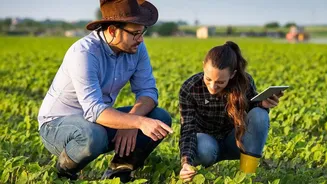
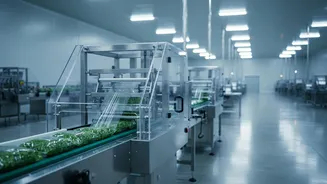
The proposal will introduce new responsibilities for everyone in the supply chain. At the farm level, the focus will be on monitoring agricultural practices, including pesticide use and soil quality. For food manufacturers and processors, the Food Safety and Standards Authority of India (FSSAI) has already floated draft regulations that would mandate daily record-keeping of raw materials and production. New rules also emphasize proper storage protocols like 'First-In, First-Out' (FIFO) to ensure freshness and safety. Even retailers won't be exempt. The plan includes more intensive on-site inspections at supplier, distributor, and retail stages to detect contamination. This broad oversight aims to ensure that standards are maintained consistently, from a large processing plant to a local kirana store.
The Bigger Picture: Incentives and Enforcement
Beyond new rules, the proposal includes innovative enforcement strategies. One significant idea being evaluated is linking a food business's access to credit with its food safety compliance score. This would create a powerful financial incentive for companies to invest in stricter quality control. Additionally, the government plans to use data analytics to identify food adulteration hotspots by cross-referencing crop production data with market prices, enabling more targeted and effective inspections. These measures are part of a larger push by FSSAI to move towards a risk-based inspection system, where businesses with a poor compliance history receive more scrutiny, freeing up resources and reducing the burden on those who consistently follow the rules.
What This Means for Your Kitchen
For the average consumer, the successful implementation of this overhaul promises greater peace of mind. A robust traceability system means more transparency about where your food comes from and how it was handled. It aims to reduce the risk of contamination from bacteria, chemical residues, and adulterants, leading to a significant drop in food-borne diseases. While a more regulated system could lead to increased costs for the industry, which may be passed on to consumers, the long-term public health benefits are seen as a crucial national priority. The ultimate payoff is creating a food ecosystem where safety is not an afterthought but a verifiable guarantee, ensuring the food that reaches your plate is safe, authentic, and high-quality.