


The Science of a Simple Squeeze
At the heart of this kitchen wisdom is a concept called bioavailability, which is simply how well your body can absorb and use a nutrient from food. Plant-based foods are packed with essential nutrients, but some of them come with natural compounds, like
phytates, that can make it harder for your body to absorb minerals. This is particularly true for non-heme iron, the type of iron found in plants. Our bodies absorb this form of iron less efficiently than the heme iron found in animal products. This is where Vitamin C, or ascorbic acid, comes in. It acts like a key, converting non-heme iron into a form that is much easier for our intestines to absorb. Studies have shown that adding a source of Vitamin C to a meal can increase iron absorption several times over. While the direct impact on protein absorption is less pronounced, Vitamin C's role in creating a healthy gut environment supports overall nutrient utilisation, helping you get the most out of your entire meal.
A Game-Changer for Indian Diets
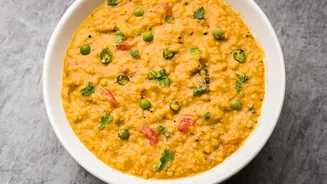
In India, where a significant portion of the population follows a vegetarian diet, this nutritional strategy is especially powerful. Staples like lentils (dal), chickpeas (chana), spinach (palak), and whole grains are rich in plant-based iron. However, iron deficiency remains a widespread health concern. The simple, traditional practice of squeezing a lemon (nimbu) over a bowl of dal or sabzi is more than just a flavour enhancer; it's a potent health move. This small act directly counters the effects of iron inhibitors found in grains and legumes, helping to unlock the full nutritional potential of the meal. By making this a regular habit, individuals relying on plant-based diets can significantly improve their iron status and overall energy levels, turning everyday meals into more powerful sources of nourishment.
Your Vitamin C Toolkit
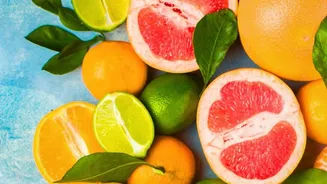
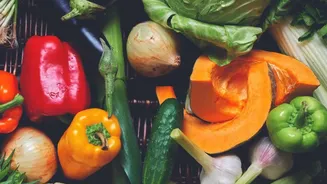
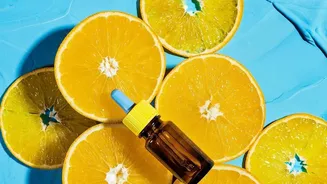
When we say Vitamin C, citrus fruits like lemons, limes, and oranges are often the first to come to mind. They are fantastic sources, but the options don't end there. Many common ingredients in Indian cooking are packed with this vital nutrient. Amla, or the Indian gooseberry, is one of the most potent sources of Vitamin C available and can be consumed as a juice or pickle. Tomatoes, a base ingredient for countless curries, are another excellent source. Colourful bell peppers (capsicum), whether green, red, or yellow, also provide a substantial dose. Even garnishes like fresh coriander and leafy greens contribute to a meal's total Vitamin C content. By understanding the wide array of Vitamin C sources, it becomes easy to incorporate them into every meal of the day, from breakfast to dinner.
Putting It Into Practice
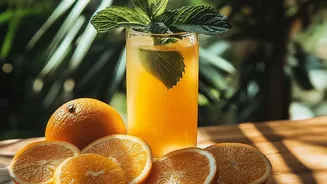
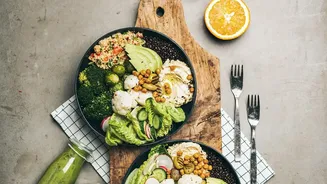
Integrating this knowledge into your daily routine is simple and delicious. The goal is to pair an iron-rich plant food with a Vitamin C-rich food in the same meal. Think of it as creating nutritional power couples on your plate. Squeeze fresh lemon juice over your dal, lentil soups, and bean salads. Add finely chopped tomatoes and onions to your spinach or kale dishes. Enjoy a side of orange slices with a breakfast of fortified cereal or oatmeal. You can also incorporate a small glass of fresh orange or amla juice with your meal to boost absorption. Even adding bell peppers to a tofu or paneer stir-fry helps your body access more of the available iron. These small, effortless additions can become a regular habit that pays significant dividends for your long-term health and well-being.
More Than Just Iron
While the benefit for iron absorption is the most well-documented, Vitamin C's positive influence extends to other minerals as well. Zinc, another crucial mineral for immune function and metabolism, is also found in legumes, nuts, and whole grains. Similar to iron, its absorption can be hindered by phytates. Research suggests that Vitamin C can help improve zinc bioavailability, making it more accessible to your body. The synergistic effect of pairing different plant foods, a hallmark of traditional Indian cuisine, naturally enhances nutrient absorption. Spices like turmeric and garlic, often used alongside ingredients like tomato and onion, also play a role in making minerals more bioavailable. This highlights the wisdom embedded in traditional food combinations, where ingredients work together to deliver more than the sum of their parts.