




The Science of Sun Fading
Just as ultraviolet (UV) rays can damage your skin, they also take a toll on your hair. Sunlight contains both UVA and UVB rays, which affect hair in different ways. UVA rays are primarily responsible for colour changes. They penetrate the hair shaft
and break down both natural pigment (melanin) and the artificial colour molecules from dye. This process, called photobleaching, is what causes your vibrant shade to fade and can introduce unwanted brassy or reddish tones. UVB rays, on the other hand, attack the hair's protein structure, specifically keratin. This weakens the hair, making it dry, brittle, and more prone to split ends and breakage. Color-treated hair is especially vulnerable because the dyeing process makes the hair more porous, allowing UV rays to penetrate more easily and cause damage faster.
Your First and Best Defence: A Physical Barrier
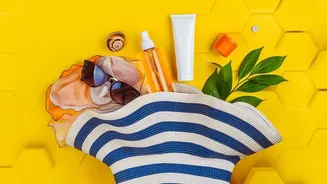
The most effective way to protect your hair from sun damage is also the simplest: cover it up. A physical barrier is the only method that completely blocks UV rays from reaching your hair and scalp. Wide-brimmed hats are an excellent choice because they shield your hair, face, and neck simultaneously. When choosing a hat, look for one made from a tightly woven fabric. Some hats even come with an Ultraviolet Protection Factor (UPF) rating, which indicates how much UV radiation the material blocks. If hats aren't your style, a chic scarf or a turban can be just as effective. These can be styled in numerous ways and offer full coverage for your hair, protecting it from sun, wind, and humidity. Even using an umbrella on a sunny day can provide significant protection.
Layering with UV Protectant Products
For times when you can't or don't want to wear a hat, hair products with UV filters are your next best option. These products work by creating a protective film over the hair shaft that absorbs or reflects UV radiation before it can cause damage. They come in various forms, including leave-in sprays, oils, and creams. Look for products specifically labeled with 'UV protection' or as a 'hair sunscreen'. Applying a UV protectant spray before you go outside can significantly reduce colour fading and prevent the structural damage that leads to dryness and brittleness. Some products also offer heat protection, which is beneficial if you use styling tools, as hair weakened by the sun is even more susceptible to heat damage.
Smart Habits for Sun-Exposed Hair
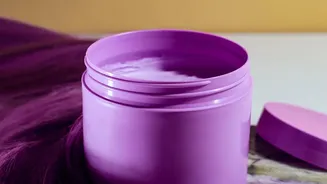
Beyond covering up and using protective sprays, a few adjustments to your hair care routine can make a big difference. If you've been swimming in a chlorinated pool or the sea, rinse your hair with fresh water as soon as possible. Chlorine and salt can strip colour and dry out your hair, making it more vulnerable to sun damage. It's also wise to wash your hair less frequently to preserve its natural oils, which offer a small degree of protection. When you do wash it, use a sulfate-free shampoo formulated for color-treated hair to prevent further stripping of your expensive dye job. Finally, incorporate a regular deep conditioning treatment or hair mask into your routine. These treatments replenish lost moisture, help repair the hair's cuticle, and restore softness and shine, counteracting the drying effects of the sun.