




Why Stagnant Air is a Garden's Enemy
During humid seasons like the Indian monsoon, the air is already heavy with moisture. Your plants are also releasing water vapor through a process called transpiration. When there's no breeze on a crowded balcony, this moisture gets trapped around the leaves.
This combination of high ambient humidity and dense foliage creates a stagnant, damp microclimate. This environment is the perfect breeding ground for fungal diseases and pests that thrive in such conditions. Good air circulation helps whisk away this excess moisture from the leaf surfaces and the topsoil, keeping them drier and less hospitable to unwelcome visitors.
The Dangers of Poor Circulation
When air doesn't move, several problems can arise, turning a lush balcony into a struggling one. The most common issue is fungal disease. Powdery mildew, which looks like a white, dusty coating on leaves, is a frequent complaint. It thrives in high humidity and can spread quickly in still air. Other issues include fungal leaf spots, botrytis blight (a fuzzy grey mould), and root rot, which is caused by soil that stays waterlogged partly because the surface can't dry out. This dampness also attracts pests like mealybugs, aphids, and fungus gnats, which lay their eggs in consistently moist soil.
Create Space for Air to Move
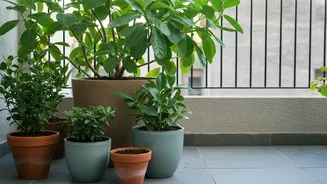
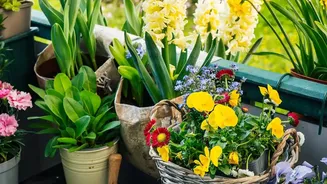
The simplest way to improve airflow is to avoid overcrowding your plants. While a dense, jungle-like look is appealing, plants need personal space. Ensure there are a few inches between each pot to allow air to circulate freely around the entire plant. If you have plants on shelves, arrange them so taller plants don't completely block airflow to shorter ones. This simple act of spacing can significantly reduce the risk of disease by preventing moisture from getting trapped between pots and dense foliage.
Prune for Better Ventilation
Pruning isn't just for aesthetics; it's a crucial health practice. Regularly trim away any yellowing or dead leaves, as they can trap moisture and harbor fungal spores. More importantly, strategically thin out dense foliage, especially near the base of the plant. Removing some of the lower leaves and any branches that are growing inward or crossing each other opens up the plant's canopy. This allows air to penetrate the center of the plant, an area often susceptible to fungal attacks.
Elevate Your Pots and Choose Wisely
Lifting your pots off the ground, even by just an inch, can make a huge difference. Use pot feet, bricks, or dedicated plant stands to elevate your containers. This allows air to flow underneath the pot, helping the drainage hole to function properly and preventing the base from sitting in a puddle of water after rain or watering. The material of your pot also matters. Terracotta or clay pots are porous and allow for better air circulation around the roots compared to plastic pots, which can trap heat and moisture.
Adjust Your Watering Routine
In a high-humidity environment, your watering habits need to adapt. Since the air is already moist, the soil will take longer to dry out. Always check the top inch or two of soil before watering; never water on a fixed schedule. It's best to water in the morning. This gives the plant's foliage and the soil surface the entire day to dry out before temperatures drop at night. Wet leaves overnight are an open invitation for fungal diseases to take hold.