




The Budget-Friendly Himalayan Kingdom
For years, Bhutan was perceived as an exclusive, high-cost destination. While it remains committed to 'High Value, Low Volume' tourism, recent policy changes have made it significantly more accessible for Indian travellers. The Bhutanese Ngultrum is pegged
to the Indian Rupee (1 INR = 1 BTN), eliminating currency exchange hassles and costs. Most importantly, the mandatory Sustainable Development Fee (SDF) for Indian nationals is ₹1,200 per person per night—a fraction of the $100 USD fee for other tourists. When combined with affordable flights to Paro (or the option of a scenic road trip through Phuentsholing) and reasonably priced guesthouses and food, Thimphu presents a compelling value proposition. It’s an international trip with the ease and familiarity of domestic travel.
Gateway to the Trails: Kuenselphodrang Nature Park
The most iconic starting point for any Thimphu trekker is the Kuenselphodrang Nature Park, home to the gigantic Buddha Dordenma statue that overlooks the valley. You don't need a guide for the well-marked trails here. The main trail is a gentle 4-kilometre loop that offers spectacular views of the statue and the Thimphu valley. It’s perfect for acclimatising on your first day. Several other intersecting paths allow you to extend your walk, winding through fragrant pine forests. It's free to enter, completely accessible, and offers the perfect blend of nature, spirituality, and panoramic photography opportunities—all within a short taxi ride from the city centre.
A Hike Through History: The Wangditse Trail
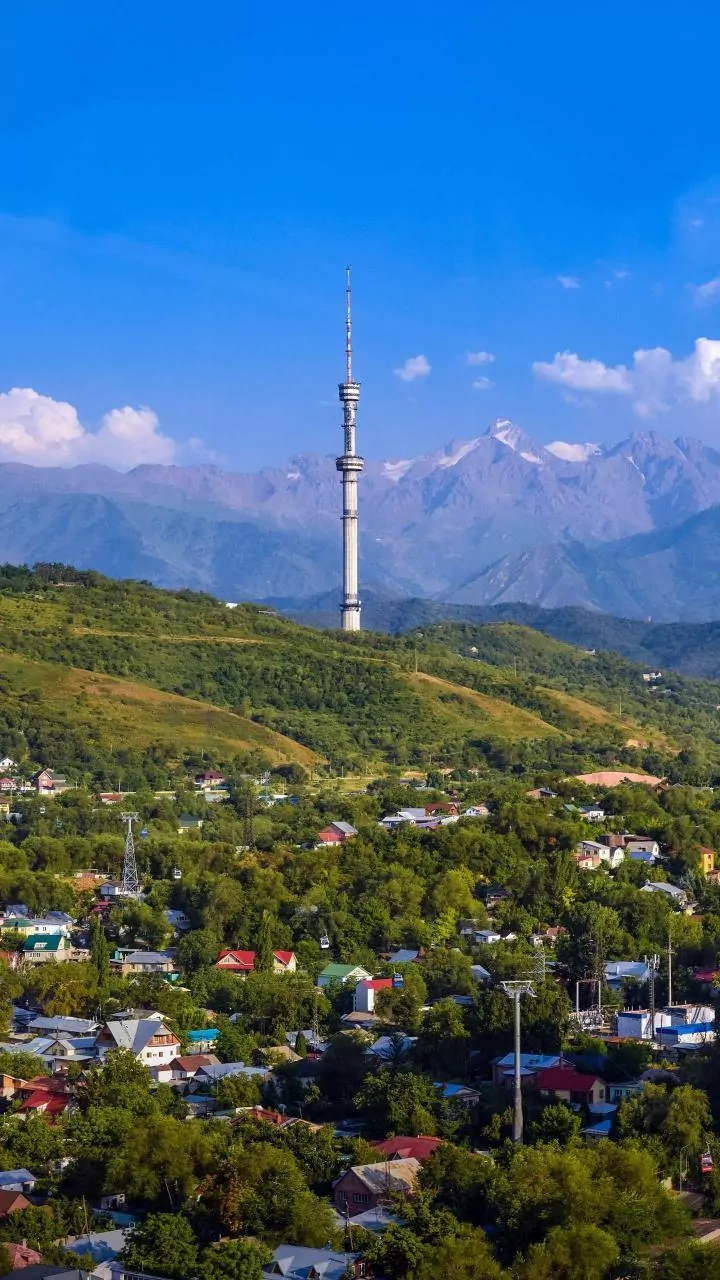
For a trail that combines moderate exercise with a deep cultural payoff, the Wangditse Trail is a must-do. This popular hike begins from the Sangaygang viewpoint (also known as the BBS Tower) and meanders for about an hour and a half through dense forest. The path is relatively flat, making it suitable for most fitness levels. Along the way, you’ll be treated to stunning views of the Tashichho Dzong, the majestic fortress that houses the King's offices. The trail culminates at the historic Wangditse Lhakhang, a beautiful and serene monastery. The combination of forest bathing and a glimpse into Bhutan’s spiritual heritage makes this one of Thimphu’s most rewarding short hikes.
For a Spiritual Challenge: The Tango and Cheri Monastery Hikes
If you’re up for a slightly more strenuous but spiritually enriching day, head about 12 kilometres north of Thimphu for the twin hikes to Tango and Cheri Goembas (monasteries). These are separate hikes, each taking about an hour uphill. The Tango Monastery, a centre for higher Buddhist learning, is a steep climb up a forested hill. A short drive away, the trail to Cheri Monastery—Bhutan’s first monastic body—involves crossing a traditional cantilever bridge before another vigorous ascent. Many locals do these hikes as a spiritual pilgrimage. Doing one or both offers not just a great workout but an authentic experience of Bhutanese life and devotion, set against the backdrop of the pristine Himalayan landscape.
Beyond the Trails: Thimphu on a Shoestring
The budget-friendly nature of Thimphu extends beyond its trails. Accommodation is plentiful, with clean and comfortable guesthouses available for a fraction of the cost of luxury hotels. For food, skip the tourist-centric restaurants and head to the small, local eateries in the city centre. Here, you can savour a hearty and authentic meal of Ema Datshi (chillies and cheese) with red rice for just a couple of hundred rupees. Getting around is also cheap; shared taxis are common, and the city is small enough to explore many areas on foot. This combination of accessible nature and low-cost urban living is what truly makes Thimphu a standout choice.