





The Biggest Change: Farewell to Visa-Free Travel
The most significant shift for Indian tourists in 2026 is the end of the visa-free entry scheme. After a period of relaxed rules to boost tourism, Thailand's government has recalibrated its policies. As of mid-2026, Indian passport holders no longer get
a simple stamp on arrival without a visa process. Instead, travel now operates under the Visa on Arrival (VoA) framework. This move was part of a broader review of immigration and security measures approved by the Thai Cabinet in May. The primary assumption that you can just land and walk through immigration is now outdated. Entry is now a formal visa process at the airport, which requires specific preparation.
The New Reality at the Airport
So, what does this mean for queues and processing times? The VoA process involves dedicated counters at major international airports where you apply for entry upon landing. While this sounds like it could create bottlenecks, a new digital tool aims to streamline things. All travellers must now complete the Thailand Digital Arrival Card (TDAC) online within 72 hours before arrival. This free digital form replaces the old paper TM6 card and, when completed correctly, can speed up immigration checks, as your details are already in the system. However, the VoA itself still requires you to present documents and pay a fee at the counter, so being organised is crucial to avoid delays.
How Your Holiday Budget is Affected
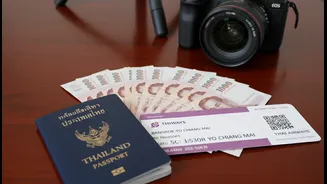
The return to a VoA system directly impacts travel costs. The visa-free scheme was, as the name suggests, free. The Visa on Arrival comes with a fee of 2,000 Thai Baht, which is approximately ₹4,600 to ₹5,800. This fee must be paid in cash in Thai Baht at the immigration counter. Beyond the visa fee, immigration authorities now more consistently enforce proof of funds. Travellers using the VoA facility may be asked to show they are carrying at least 20,000 Thai Baht (around ₹58,000) per person in cash to prove they can support themselves during their stay. Failure to show sufficient funds could lead to entry being denied, making it a critical part of your budget planning.
Mastering Document Readiness: Your Checklist
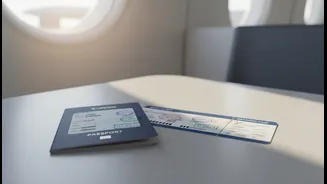
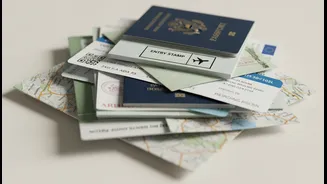
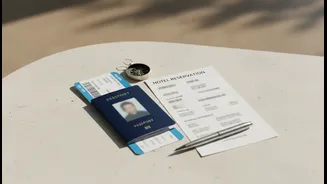
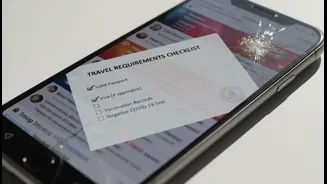
With stricter checks, being prepared is non-negotiable. An advisory from the Embassy of India in Bangkok has outlined exactly what you need for a smooth entry. First, ensure your passport has at least six months of validity from your arrival date. You must also carry printed copies of your confirmed return flight tickets and proof of accommodation for your entire stay. Before you fly, complete the mandatory and free Thailand Digital Arrival Card (TDAC). For the VoA application itself, have a recent passport-sized photograph ready. Finally, carry the required proof of funds in cash. Keeping all these documents organised and easily accessible will make the immigration process significantly smoother.
The Verdict: Is the New System an Improvement?
Whether these changes are an 'improvement' depends on your perspective. For the Thai government, it's a way to enhance security and ensure compliance with immigration laws after a period of very open borders. For travellers, the changes undeniably add extra steps and costs that were absent during the visa-free period. The end of spontaneous, zero-paperwork trips means more planning is required. However, the introduction of the digital TDAC system is a clear step towards modernisation, aiming to offset some of the time spent at the VoA counter. Ultimately, the new system prioritises control and documentation over the frictionless entry of the recent past. While it demands more from travellers, understanding and preparing for the requirements can still lead to a seamless holiday.