







Why the Monsoon Magnifies Food Risks
The high humidity and moisture characteristic of the monsoon create an ideal breeding ground for harmful bacteria, viruses, and fungi. These microorganisms can flourish on the surfaces of fruits and vegetables. Furthermore, rainwater can contaminate soil
and water sources used for irrigation, leading to a higher chance of produce carrying pathogens like E. coli and Salmonella. Food also tends to spoil faster in the damp conditions, increasing the risk of consuming something that could make you sick. This doesn't mean you have to give up raw foods entirely, but it does require extra vigilance.
Smart Shopping for Fresh Produce
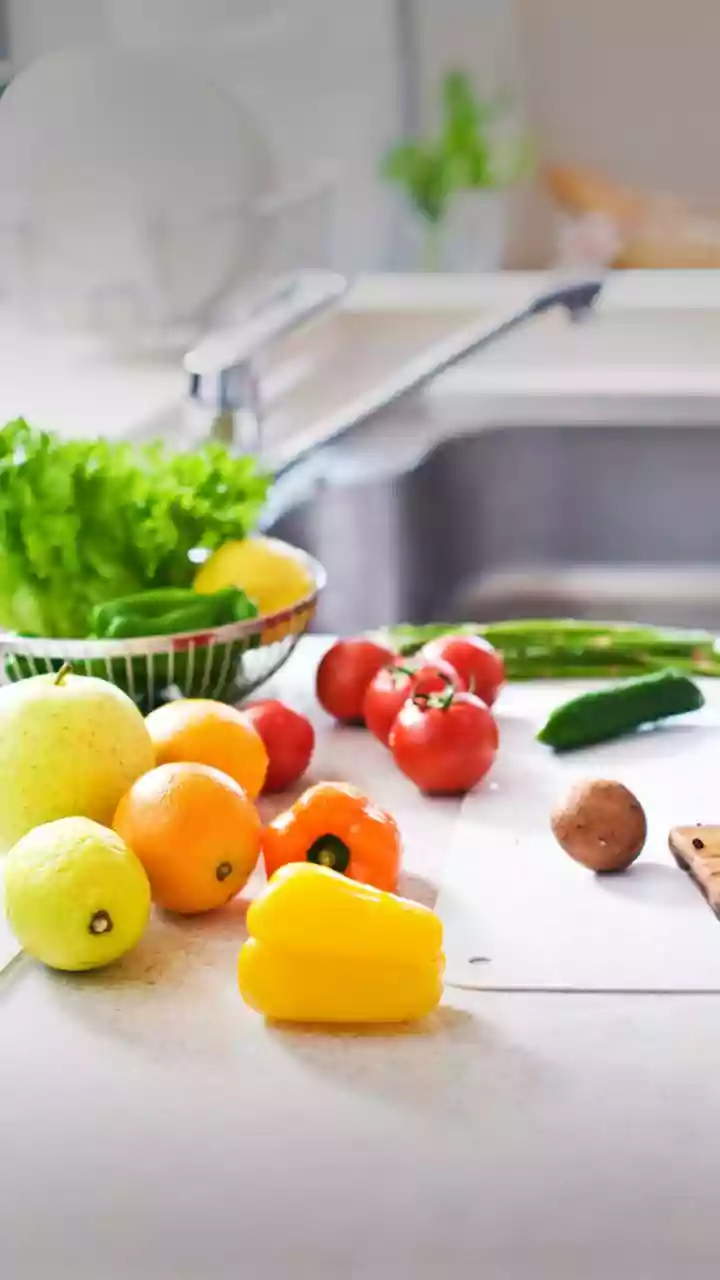
Your safety mission begins at the market. When selecting fruits and vegetables, be discerning. Choose items that are firm, brightly coloured, and free from any bruises, cuts, or soft spots, as these can be entry points for microbes. It's best to avoid pre-cut fruits and vegetables, as they have more exposed surface area and may have been handled in less-than-ideal conditions. During this season, it’s wiser to buy produce in smaller batches more frequently, ensuring you're always using the freshest ingredients available. Look carefully at leafy greens and vegetables like cauliflower, which can sometimes harbour tiny insects or worms.
The Ultimate Guide to Washing Produce
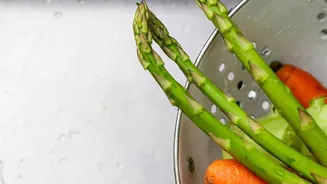
Proper washing is your most effective defence. A simple rinse is not enough during the monsoon. Start by washing your hands thoroughly with soap and water before handling any food. Then, follow this multi-step process for cleaning produce: First, rinse all items under clean, running water to remove loose dirt and debris. For most vegetables and fruits, a soak can help further. Prepare a solution of one part white vinegar to three or four parts water and let the produce soak for about 10-15 minutes. This vinegar solution helps reduce microbial contamination. Afterwards, rinse everything again thoroughly with clean water. For hardy vegetables with thick skins, like potatoes or carrots, use a dedicated vegetable brush to scrub the surface under running water.
Special Care for Leafy Greens
Leafy greens like spinach, coriander, and lettuce require special attention because their many layers can easily trap dirt and germs. After separating the leaves, wash them individually under running water. Then, soak them in a bowl of water with either salt or vinegar for about 15 minutes. Swirl the leaves in the water and then lift them out, rather than pouring the water out through a colander. This ensures the dirt that has settled at the bottom of the bowl isn't redeposited onto the leaves. Some experts even recommend a quick blanching—a 30-second dip in hot, salted water followed by a plunge into ice water—to kill germs while preserving crispness, especially if you plan to eat them raw.
Safe Storage and Kitchen Habits
Once your produce is clean, proper storage is key. Ensure vegetables and fruits are completely dry before you refrigerate them, as excess moisture encourages spoilage and mould growth. Pat them dry with a clean cloth or paper towel. Store them in breathable bags or clean, dry containers in the refrigerator. Practice good kitchen hygiene to prevent cross-contamination. Use separate cutting boards and utensils for raw produce and raw meats. Always keep your kitchen counters, knives, and chopping boards clean and sanitized, especially during the monsoon.