



The Real Story on Air Purification
The idea that houseplants can purify indoor air gained immense popularity from a 1989 NASA study. This research found that in a sealed chamber, certain plants could remove common household toxins like formaldehyde and benzene. Snake plants and pothos
were among the effective plants listed. However, it's important to set realistic expectations. Our homes are not sealed chambers, and subsequent research has shown that you would need a very large number of plants—some studies suggest between 10 and 1,000 plants per square meter—to significantly impact air quality on a chemical level. While they won't replace a good ventilation system, they do contribute to a healthier indoor ecosystem in other meaningful ways.
Meet the Snake Plant: The Ultimate Survivor
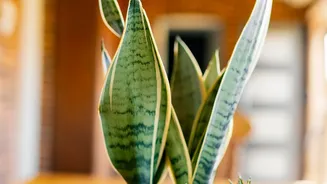
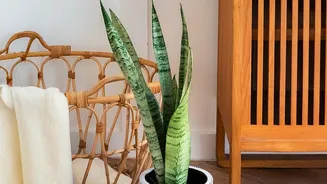
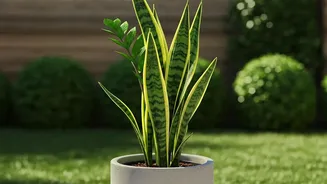
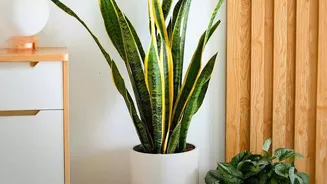
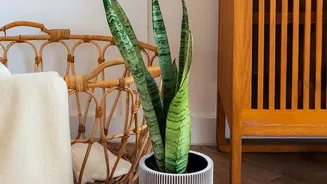
The Snake Plant, or Sansevieria (now technically Dracaena trifasciata), is instantly recognizable by its stiff, upright leaves that look like swords. It's a champion of low-maintenance living, making it perfect for beginners or anyone with a less-than-green thumb. One of its most touted benefits for the bedroom is its ability to perform a type of photosynthesis called Crassulacean Acid Metabolism (CAM). This means it releases oxygen at night, the opposite of most other plants. While one plant won't drastically change the oxygen levels in your room, having a few can contribute to a fresher nighttime environment.
Caring for Your Snake Plant
The secret to snake plant care is to mostly leave it alone. They are succulents that store water in their leaves, so they are highly susceptible to root rot from overwatering. Water only when the soil is completely dry, which could be every 2-4 weeks, and even less in the winter. Snake plants are also highly adaptable to different light conditions. While they prefer bright, indirect light, they can tolerate low-light corners, making them incredibly versatile for various spots in a bedroom. Use a well-draining soil mix, such as one for cacti or succulents, and you'll have a happy plant for years.
Meet the Pothos: The Trailing Enthusiast
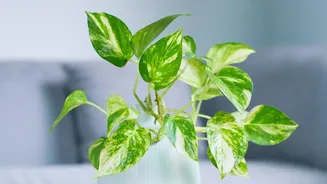
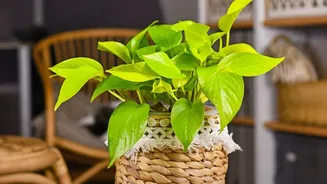
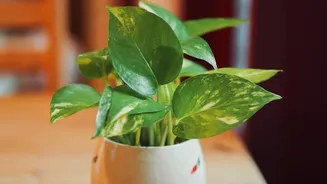
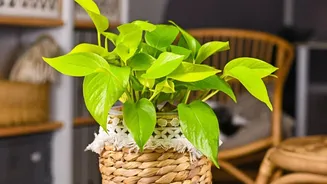
Pothos, also known as Devil's Ivy, is another beginner-friendly favorite, loved for its lush, heart-shaped leaves and trailing vines that can quickly add a jungle-like feel to a room. It’s celebrated for its resilience and ability to thrive in various indoor conditions. Pothos is also listed in the NASA study for its ability to help filter airborne toxins like formaldehyde, xylene, and benzene. Its fast-growing nature means it produces plenty of foliage, which is key to any air-quality benefits a plant can offer. Whether perched on a high shelf or hanging in a basket, its cascading greenery is both beautiful and functional.
Caring for Your Pothos
Pothos is arguably one of the easiest houseplants to grow. It prefers bright, indirect light but does just fine in lower-light situations, though very low light may reduce the variegation in its leaves. Like the snake plant, it doesn't like to be overwatered. A good rule of thumb is to water thoroughly when the top two inches of soil feel dry. The plant is very communicative; its leaves will start to droop slightly when it's thirsty. It's a forgiving plant that bounces back quickly, making it a rewarding choice for those new to plant care.
A Note for Pet Owners
While these plants are wonderful additions to a home, it is crucial for pet owners to know that both Snake Plants and Pothos are toxic to cats and dogs if ingested. They contain compounds called saponins and calcium oxalate crystals, which can cause mouth irritation, drooling, vomiting, and digestive upset. To be safe, always place these plants well out of reach of curious pets.