
Decoding Your Balcony's Sunlight
Before you buy a single plant, become a sunlight detective. The single biggest factor for success is matching plants to the light they will actually receive. A balcony that feels bright to you might be deep shade for a sun-loving plant. To figure out
your conditions, track the sun for a day. Note when direct sunlight first hits your balcony and when it leaves. Most flowering plants and vegetables like tomatoes or chillies need at least six hours of direct sun to thrive. If an object on your balcony floor casts a sharp, clear shadow, that's direct sun. If shadows are soft or absent, you have indirect light, which is better for shade-tolerant plants like ferns and peace lilies. North-facing balconies get the least direct sun, while south or west-facing ones are often the sunniest and hottest.
Choosing the Right Plants
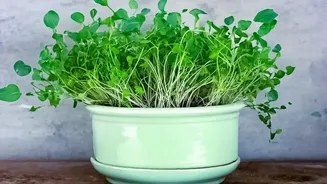
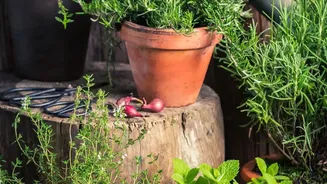
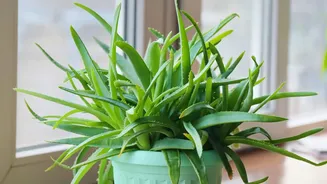
Once you know your sunlight, you can choose plants that will flourish. For sunny Indian balconies, hardy bloomers like Bougainvillea and Hibiscus are excellent choices that do well in pots. Herbs are also fantastic for beginners; Tulsi (Holy Basil), mint, lemongrass, and curry leaves are practical, easy to care for, and well-suited to container life. If your space is shadier, consider a money plant (Pothos), snake plant, or spider plant, which are famously low-maintenance and improve air quality. For those new to gardening, starting with easy-care options like aloe vera or marigolds can build confidence. The secret is to pick plants that are naturally adapted to the conditions you can provide.
Rethinking 'Watering Schedules'
The most common mistake for new gardeners is watering on a rigid schedule. Container plants dry out much faster than garden beds due to wind and the contained soil volume, but overwatering is the leading cause of plant death. Instead of a calendar, use your finger. The best rule is to check the soil daily. If the top 1-2 inches feel dry, it's time to water. When you do water, do it thoroughly until water runs out of the drainage holes at the bottom of the pot. This ensures the entire root ball gets moisture. A quick splash on top is not enough. The ideal time to water is early morning, which allows the plant to use the moisture during the day and lets foliage dry before nightfall, reducing disease risk. In hot summer months, daily watering might be necessary, while cooler weather may only require watering every few days.
The Foundation: Pots and Soil
The right container and soil are non-negotiable for a healthy balcony garden. Always use pots with drainage holes to prevent water from pooling at the bottom, which leads to root rot. When it comes to soil, never use heavy garden soil from the ground. It becomes compacted in pots, drains poorly, and can introduce pests. Instead, buy a quality potting mix. These mixes are specifically designed to be lightweight and provide the right balance of drainage and water retention, often containing ingredients like coco coir or perlite. If weight is a concern for your balcony, opt for lighter plastic, resin, or fibreglass containers over heavy terracotta ones. Larger pots hold more soil and moisture, meaning you'll have to water less frequently than with small pots, which dry out very quickly.
Feeding and Basic Upkeep
Plants in containers have limited access to nutrients. Every time you water, some nutrients are washed out of the soil. To keep your plants growing strong, especially those that produce flowers or vegetables, you'll need to fertilize them. A balanced liquid fertilizer applied every few weeks during the growing season is a simple way to replenish what's lost. You can also use slow-release granules mixed into the soil at the time of planting. Regular upkeep also involves simple tasks like removing any yellowing or dead leaves to improve air circulation and inspecting your plants for any signs of pests. Regularly harvesting herbs like mint and basil encourages them to become bushier and more productive.