



First, What Is Sourdough Discard?
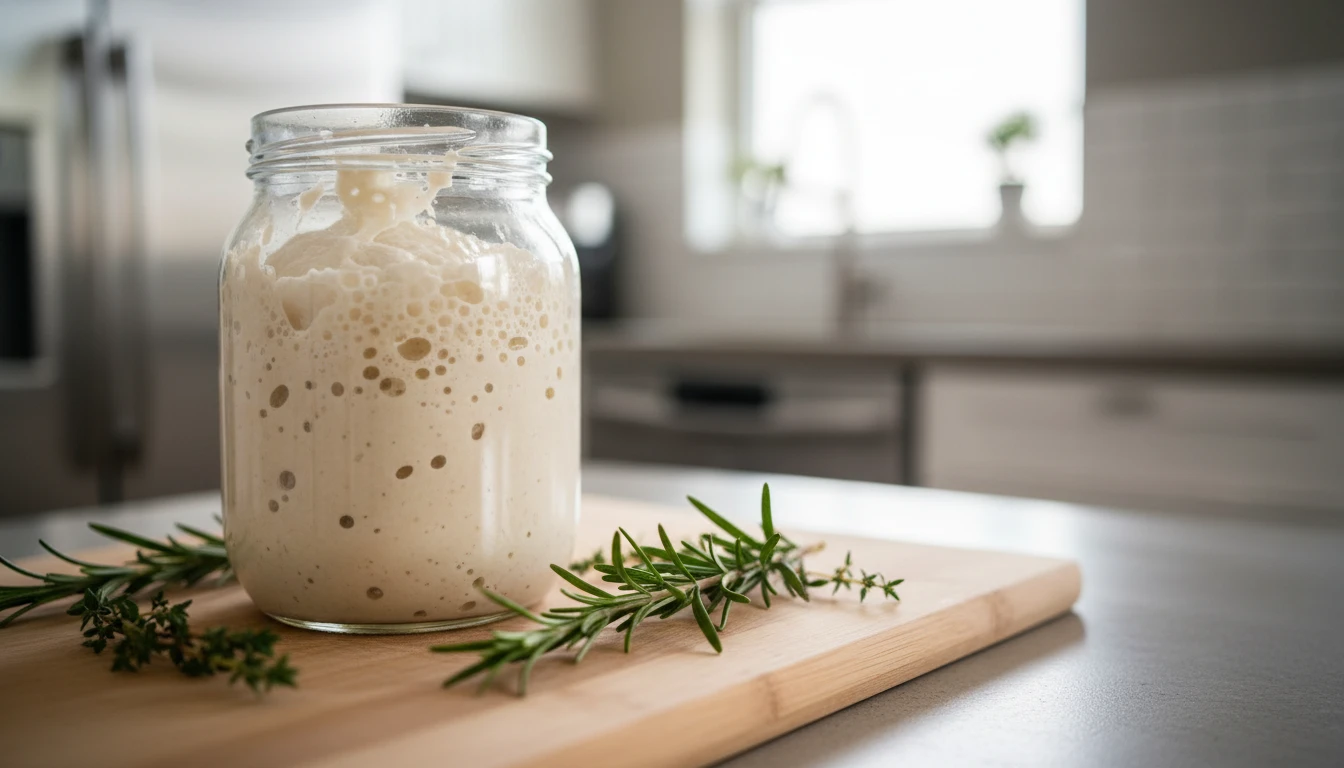
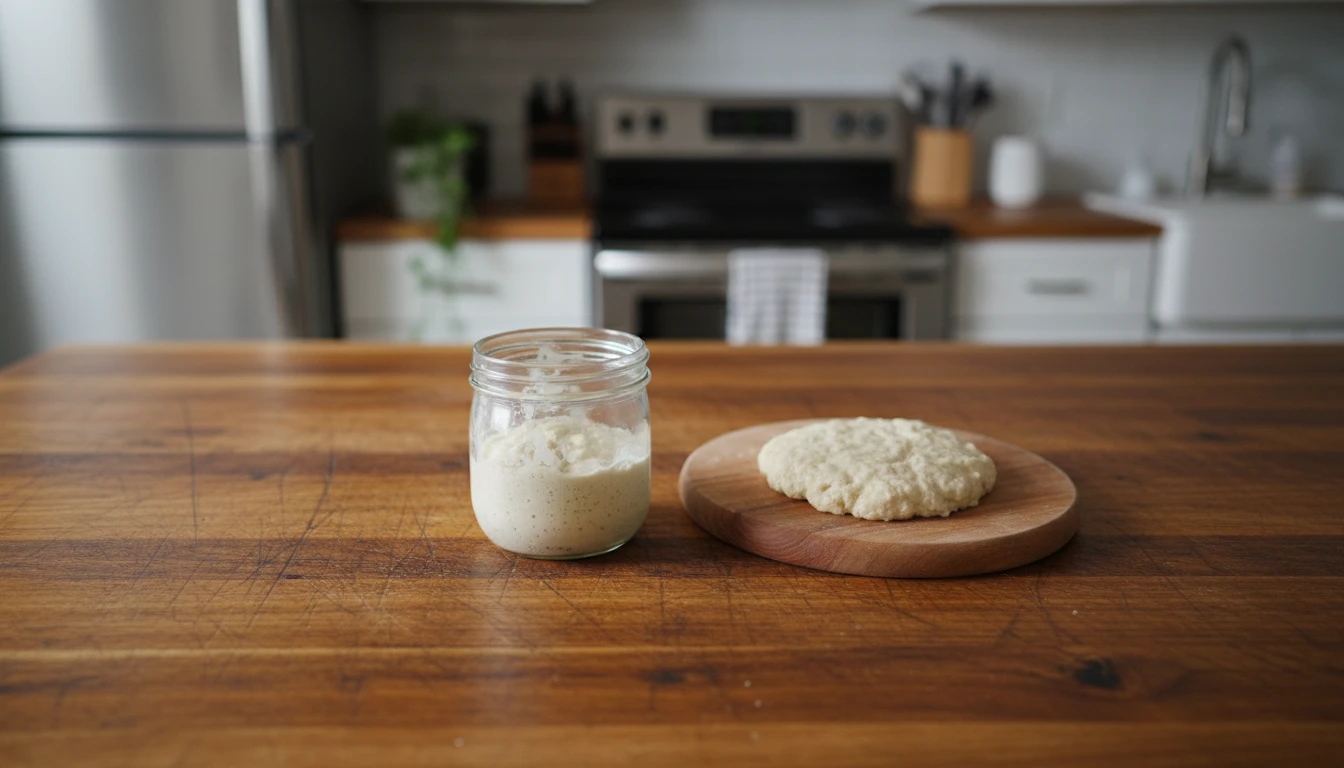
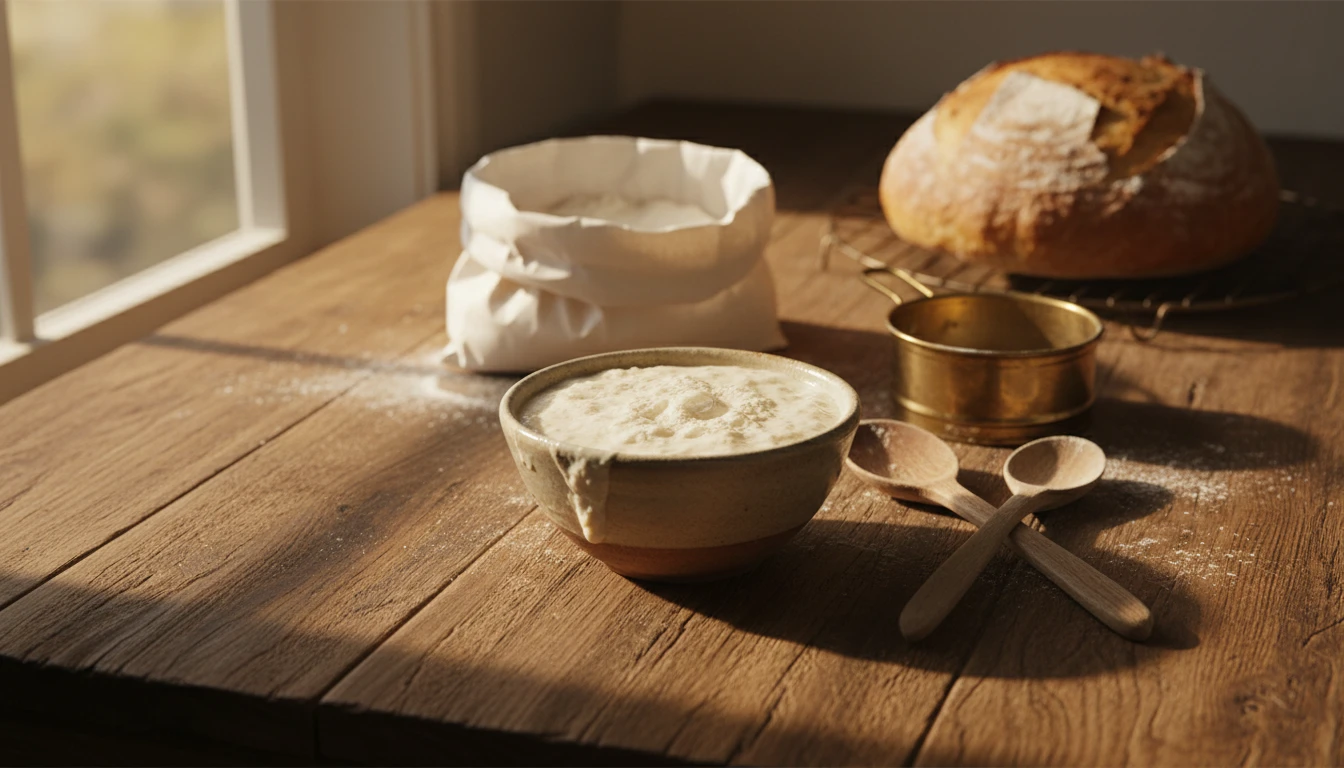
Before you can appreciate the trend, it helps to know what discard is. When you maintain a sourdough starter—a lively, bubbling culture of wild yeast and bacteria—you have to feed it regularly with flour and water to keep it healthy. To prevent the starter from
growing into an unmanageable, kitchen-swallowing blob, you have to remove, or 'discard', a portion before each feeding. This unfed portion is what bakers call discard. For years, many people simply tossed it. But as the name suggests, throwing it out feels wasteful, which is precisely why a counter-movement to use it began.
The Zero-Waste Imperative
At its heart, the sourdough discard trend is a powerful expression of the zero-waste movement. Urban home cooks, increasingly aware of their environmental footprint, are looking for practical ways to reduce food waste. Using discard is a simple, tangible action that transforms a waste product into a valuable ingredient. It aligns perfectly with a broader shift towards sustainable cooking, which emphasizes using ingredients efficiently and minimizing what ends up in the bin. In a world grappling with food waste, saving the discard isn't just frugal; it's a small act of environmental stewardship that happens right in your own kitchen.
A Blank Canvas for Creativity
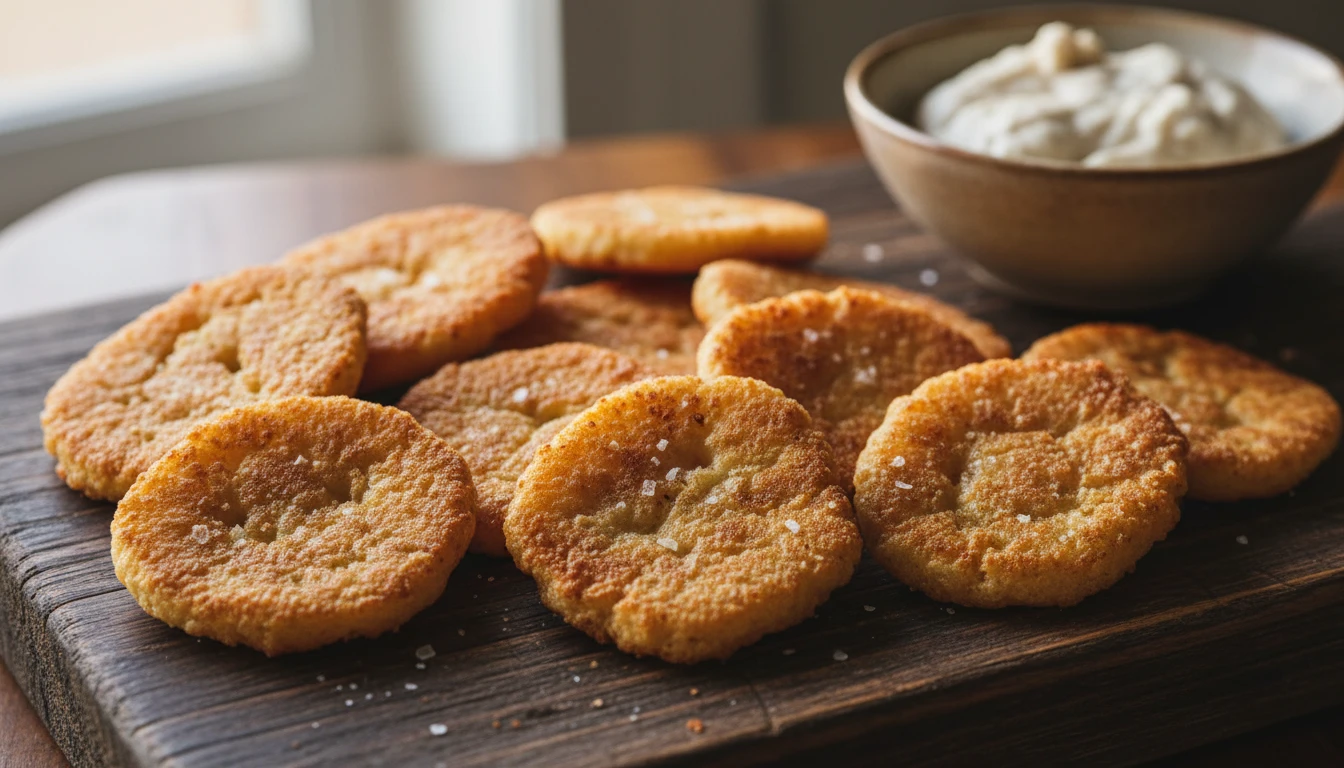
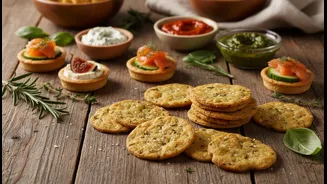
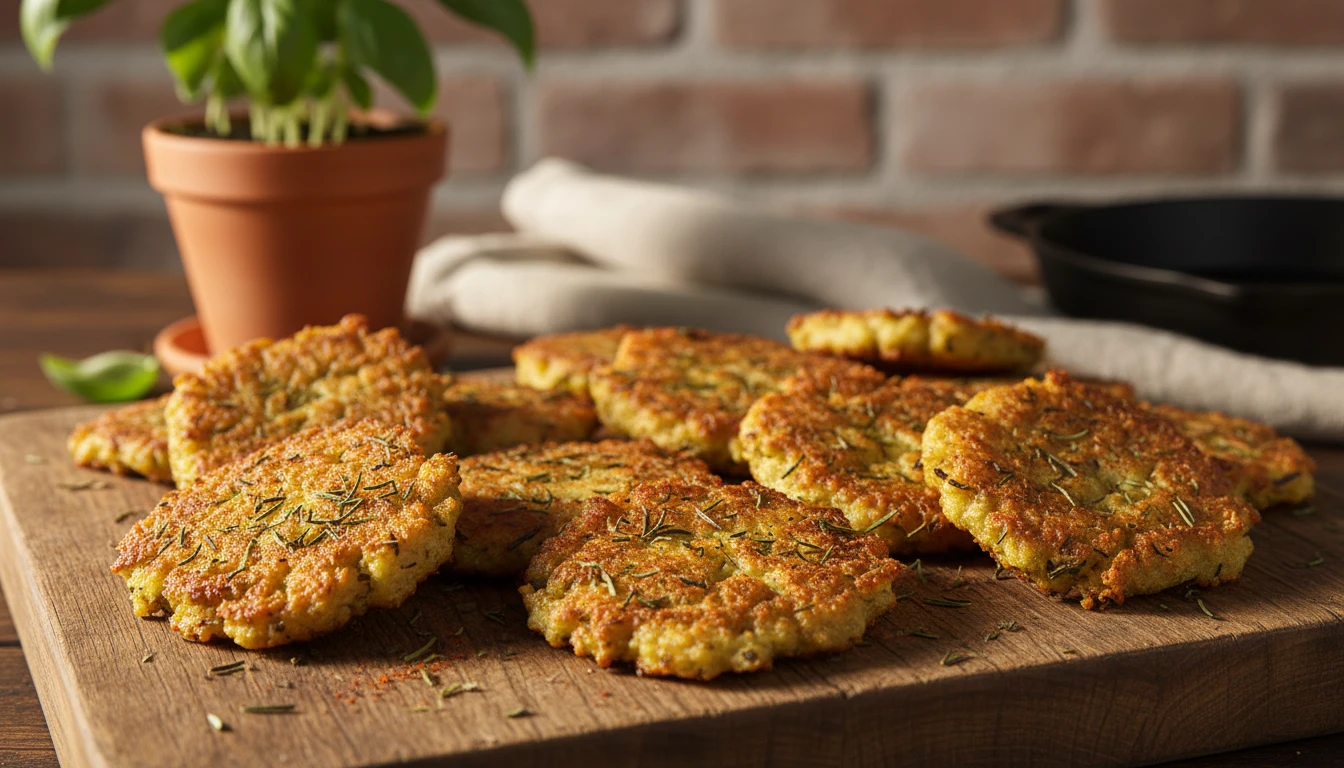
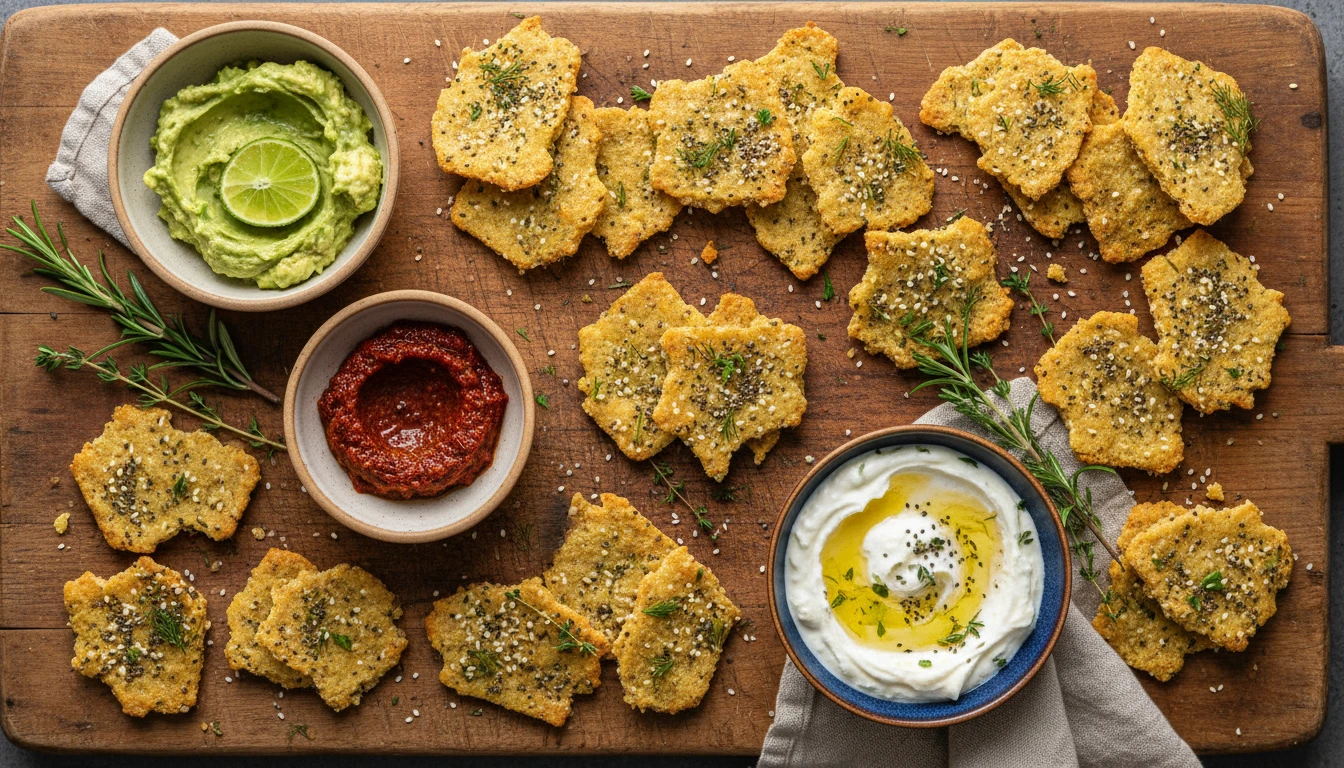
Beyond sustainability, the sheer versatility of sourdough discard is a major driver of its popularity. It’s not just about avoiding waste; it's about the joy of creating something new and delicious. While discard lacks the leavening power of an active starter, it adds a wonderful, tangy flavor and tender texture to a huge range of recipes. Home cooks are transforming it into everything from crispy crackers, fluffy pancakes, and savory waffles to rich chocolate cakes, tender biscuits, and even homemade pasta. This creative potential turns a routine baking byproduct into an exciting opportunity for culinary experimentation.
Good for the Wallet and the Gut
Practicality and health also play significant roles. With the cost of quality flour and groceries on the rise, using every last bit just makes good economic sense. Repurposing discard is a form of thriftiness, stretching the value of the ingredients you've already purchased. Furthermore, sourdough discard brings some nutritional benefits to the table. The fermentation process can make baked goods easier to digest and may help the body absorb more nutrients. It's also a source of fiber and various vitamins and minerals, adding a subtle health boost to your creations.
Fueled by Community and Social Media
You can't discount the power of community in this trend. Social media platforms like Instagram, TikTok, and Pinterest are buzzing with images and videos of golden-brown discard crackers, perfectly stacked pancakes, and inventive pizza crusts. Food bloggers and home cooks share their recipes and tips, creating a vibrant, supportive community around the practice. This online sharing culture not only provides endless inspiration but also demystifies the process, encouraging even novice bakers to give it a try. Seeing others successfully turn their 'waste' into a feast is a powerful motivator to join in.