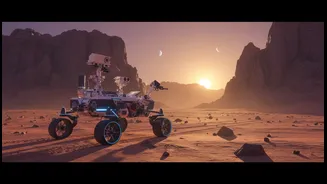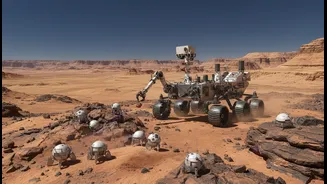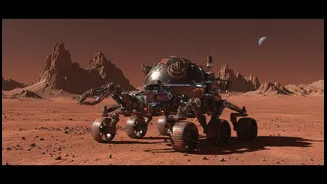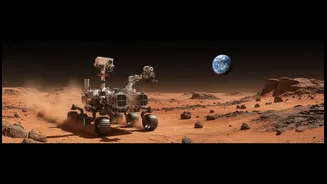




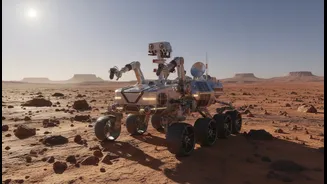


A New Push for Martian Mobility
NASA recently announced it has selected seven American companies for its Science Transport and Robotic Innovation for Deployment and Exploration (STRIDE) initiative. These contracts, with a total potential value of around $17 million, are designed to spur
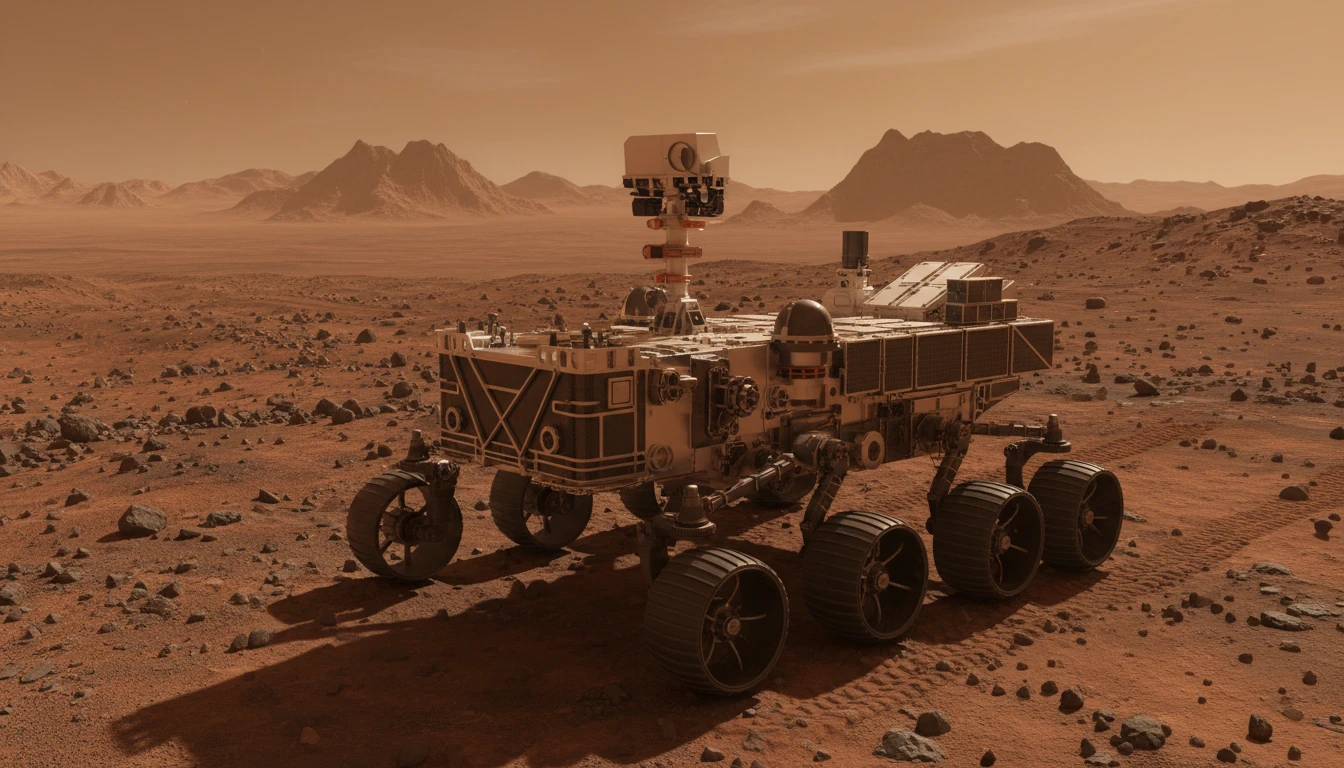
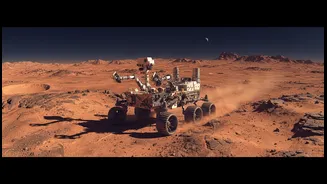
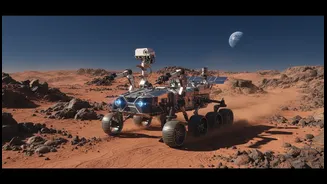
the creation of novel robotic systems that can explore the Red Planet in ways current rovers cannot. The goal is to develop technologies that can handle more challenging terrain, travel longer distances, and investigate scientifically rich areas that are currently out of reach for wheeled vehicles like the Perseverance and Curiosity rovers. This investment signals a strategic pivot towards a new generation of nimbler, more versatile explorers.
Meet the Companies and Concepts
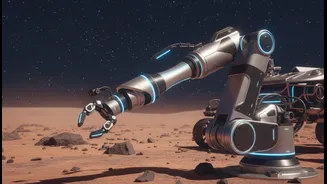
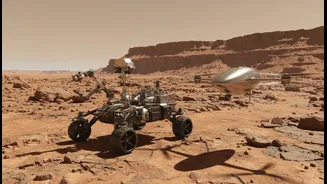
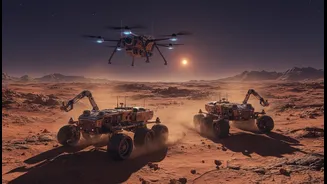
The seven companies selected represent a mix of established aerospace giants and innovative newcomers. The awardees are AeroVironment, Astrobotic, Venturi Astrolab, Ground Control Robotics, Honeybee Robotics, Intuitive Machines, and MEI Technologies. While specific designs are in early stages, the STRIDE program is looking at both advanced surface and aerial systems. This initiative builds on the incredible success of the Ingenuity helicopter, which proved that flight is possible in the thin Martian atmosphere. Future concepts could include advanced drones capable of scouting ahead or multi-limbed walking robots that can climb steep crater walls, offering a dramatic expansion of exploration capabilities.
The Crucial 'Development' Distinction
It’s important to understand the nature of these contracts. They are for design studies and technology development, not for building flight-ready hardware for an imminent mission. Think of it less like manufacturing a car and more like funding the research for a new type of engine that might be used a decade from now. Work is expected to begin in the fall of 2026, focusing on identifying and maturing the key technologies needed for these advanced systems to operate in the harsh Martian environment. This approach allows NASA to cultivate a diverse range of ideas from the private sector and identify the most promising paths forward without committing to a single, expensive mission design upfront.
Why We Need to Go Beyond Wheels
NASA’s rovers have been transformative, but they have limitations. Spirit and Opportunity sometimes struggled with sandy terrain, and all rovers are fundamentally limited to relatively flat, traversable ground. Many of the most interesting geological sites on Mars—such as steep slopes, canyons, and regions with rugged rock fields—remain inaccessible. By investing in aerial and advanced legged mobility, NASA is aiming to overcome these obstacles. The ability to fly over a dune field or have a robot rappel down a cliff face could unlock unprecedented scientific discoveries, from searching for signs of past life in protected alcoves to prospecting for resources like water ice that could support future human missions.