


Why the Monsoon is a High-Risk Season
The primary reason food spoils quicker during the rainy season is the combination of moisture and ambient warmth. High humidity, often reaching 80-90% in India, means the air is saturated with water vapor. This moisture settles on surfaces and food, creating
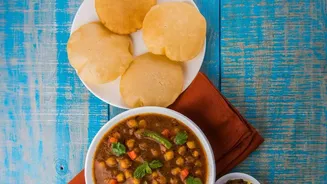
an ideal environment for bacteria, mold, and fungi to multiply rapidly. Cooked dishes, especially those with high moisture content like curries, dal, and rice, become vulnerable. Food that might last for hours in drier weather can enter the 'temperature danger zone' (between 5°C and 60°C) and become unsafe much faster.
The Two-Hour Rule for Cooked Food
A crucial food safety principle is the 'two-hour rule'. Cooked food should not be left at room temperature for more than two hours. During the extremely humid and warm monsoon days, it's safer to reduce this window to just one hour. Bacteria that cause food poisoning can grow to dangerous levels in a short time. Leaving a pot of dal or a rice dish on the counter for an afternoon is a significant risk. Plan to refrigerate any food that won't be eaten immediately as soon as it has cooled down enough to be handled.
Cooling and Storing Leftovers Correctly
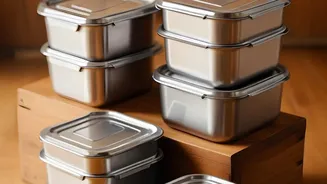
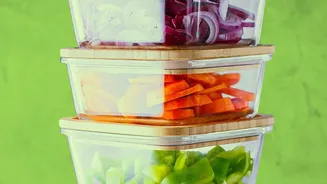
Proper storage begins with proper cooling. Never place large, steaming hot pots directly into the refrigerator, as this can raise the internal temperature of the fridge and put other foods at risk. Instead, cool leftovers quickly. You can do this by dividing large quantities into smaller, shallow containers. Once the food stops steaming, cover it and place it in the fridge promptly; don't wait for it to cool to room temperature on the counter. Always use airtight containers to prevent moisture and contaminants from getting in. Glass or BPA-free plastic containers are ideal choices. According to FSSAI guidelines, your refrigerator should be set at or below 5°C to effectively slow bacterial growth.
The Art of Safe Reheating
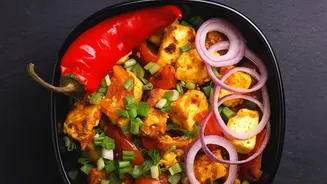
Reheating leftovers is not just about warming them up; it's about killing any bacteria that may have developed. Always reheat food until it is steaming hot throughout, reaching an internal temperature of at least 75°C. When reheating sauces, soups, and gravies, bring them to a rolling boil. Avoid reheating the same batch of food multiple times, as this repeated cooling and heating cycle can encourage bacterial growth. Only take out the portion you intend to eat and reheat that, leaving the rest safely in the fridge.
Organise Your Fridge to Prevent Cross-Contamination
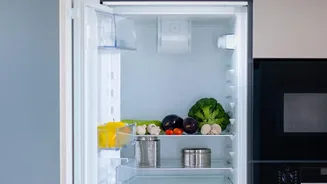
How you organise your refrigerator matters. A key FSSAI recommendation is to store raw meat, poultry, and seafood on the bottom shelf, in sealed containers. This prevents their juices, which can carry harmful bacteria, from dripping onto and contaminating cooked foods stored below. Cooked and ready-to-eat foods should always be stored on the upper shelves. Maintaining this separation is a simple yet effective way to prevent one of the most common causes of foodborne illness.
When in Doubt, Throw It Out
You cannot always see, smell, or taste the bacteria that cause food poisoning. As a general rule, consume refrigerated leftovers within two to three days. If you're unsure how long something has been in the fridge or if it was left out for an extended period, it's safest to discard it. This is especially true during the monsoon when the risks are higher. Be particularly cautious with high-risk items like cooked rice, dairy products, and meat or fish dishes.