


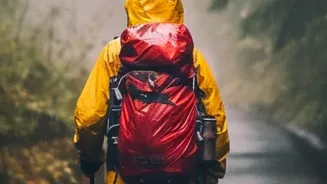
Non-Negotiable Safety Rules
The monsoon transforms trails, making safety your absolute priority. The most significant risks are not just the rain, but slippery rocks, poor visibility, and the potential for flash floods. Before you leave, always check the latest weather forecasts
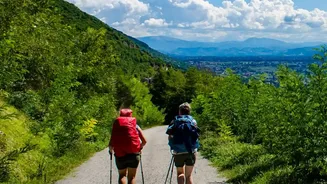
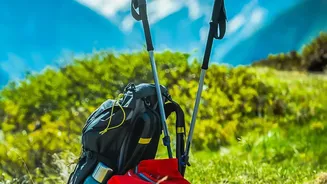
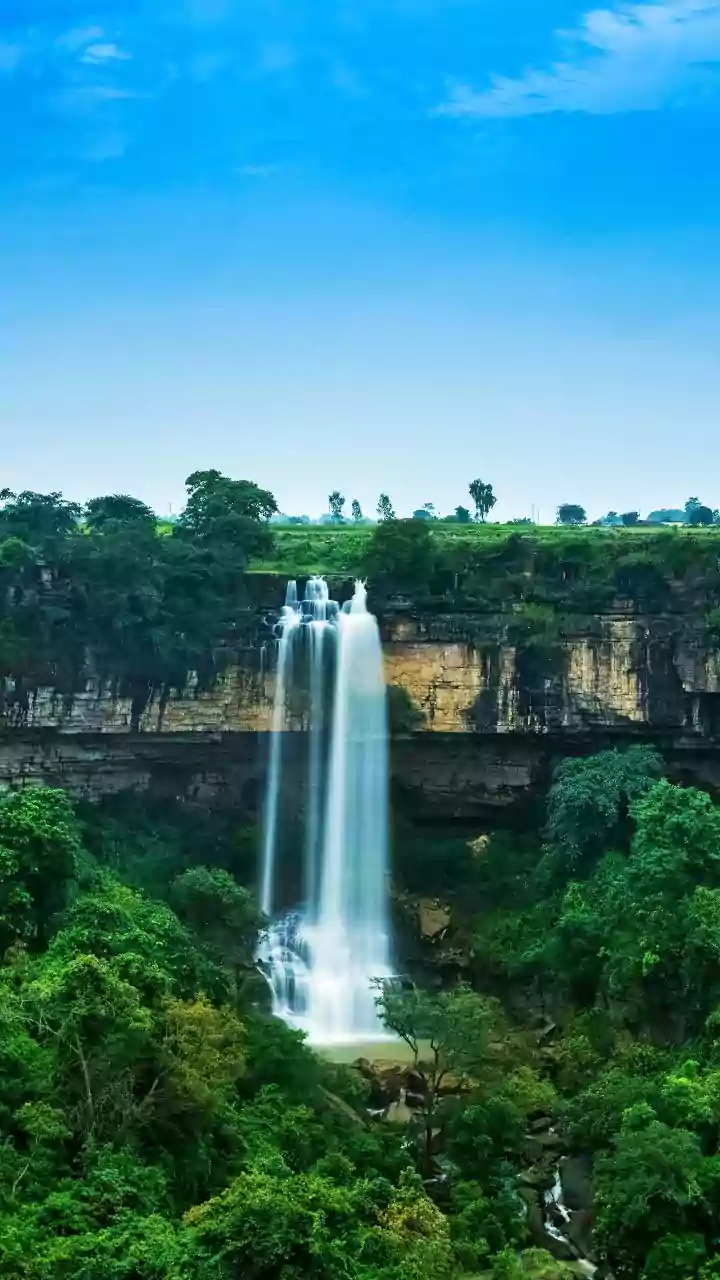
and local advisories from the forest department. Inform a reliable contact about your exact itinerary and expected return time. On the trail, walk slowly and deliberately on wet patches, using a trekking pole for added stability. Never stray from the marked path to get a better view, especially near waterfalls, where calm water can hide deep pools. Finally, hiring a local guide is highly recommended; they understand the terrain and can navigate unforeseen challenges. Do not rely solely on Google Maps, as many trekking areas lack stable connectivity.
Choosing Your Monsoon Route
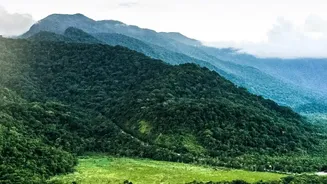
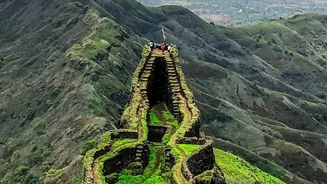
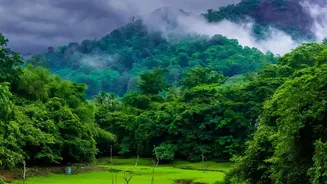
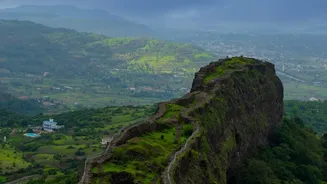
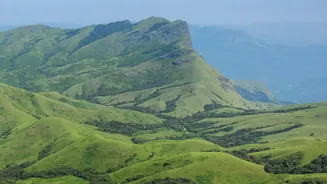
The Western Ghats offer trails for all experience levels, but not all are safe during heavy rains. For this time of year, it's best to stick to well-trodden paths with manageable inclines. For beginners or those looking for a relatively easy yet scenic outing, the Rajmachi trek near Lonavala is a popular choice, offering fort exploration and wide, clear paths. Sinhagad, near Pune, is another excellent option for a shorter, half-day trek that rewards you with lush greenery and historic ramparts. For those with more experience in Karnataka, the Kudremukh trek presents a moderately challenging full-day adventure through rolling green hills and misty forests. However, always verify that a trail is officially open, as authorities may close routes due to dangerous conditions. Treks with extremely steep or technical sections, like Kalavantin Durg, should be avoided during monsoon.
Essential Gear for a Wet Trail
Packing correctly is the difference between an enjoyable adventure and a miserable, unsafe one. Your most crucial piece of gear is your footwear; regular sports shoes are inadequate. Invest in proper trekking shoes with deep grooves for a strong grip on slippery surfaces. Next, focus on staying dry. A high-quality poncho is often better than a rain jacket as it covers you and your backpack, offering better ventilation. Pack quick-dry clothing made from synthetic materials and avoid cotton at all costs, as it absorbs moisture and stays wet. To protect your electronics and a spare set of clothes, use waterproof dry bags or double-bag them in plastic inside your backpack. A reliable power bank is also essential for keeping your phone charged for navigation and emergencies.
Trail Etiquette and Responsibility
A trek into nature is also a responsibility. Practice the principles of 'Leave No Trace' to ensure these beautiful landscapes remain pristine for future generations. This means packing out everything you pack in, including all food wrappers and waste. Do not leave biodegradable waste like fruit peels either, as they take a long time to decompose in these ecosystems. Respect wildlife by keeping a safe distance and never feeding animals. Keep noise levels down; avoid using external speakers and opt for earphones if you want to listen to music so that others can enjoy the sounds of nature. Your journey should leave nothing behind but your footprints.