







From Coastal Staple to Wellness Star
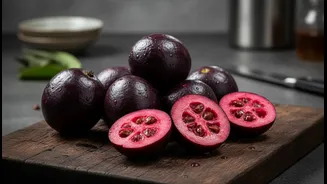
For generations, kokum, or Garcinia indica, has been a cornerstone of cuisines along India's western coast, especially in Goa, Maharashtra, and Karnataka. Traditionally, its sun-dried rind, known as aamsul, has been used as a souring agent in curries,
lending a unique sweet-tart flavour and a vibrant purplish hue. It's the soul of cooling drinks like Sol Kadhi and kokum sherbet, fixtures in homes for their digestive and body-cooling properties. Long valued in Ayurveda, kokum is recognised for a host of potential health benefits, including aiding digestion, having anti-inflammatory properties, and being rich in antioxidants. This history as a wellness ingredient is a key part of its current revival.
The Urban Cafe Reinvention
Today's chefs and mixologists are rediscovering kokum's versatility, moving it far beyond traditional preparations. In India's bustling cities, this humble fruit is being championed for its complex flavour profile, which is more floral and less aggressive than tamarind. You'll now find it starring in artisanal cocktails, where its tartness balances the sweetness of other ingredients. It’s being infused into coolers with a twist, used to create tangy vinaigrettes for salads, and even incorporated into powdered seasonings for bar snacks. This modern makeover introduces kokum to a new generation of diners who are eager for novel yet identifiably Indian flavours.
A Hunger for Authenticity and Identity
So, why is this happening now? Kokum's resurgence isn't occurring in a vacuum. It's part of a larger culinary movement across India. After decades of looking Westward for inspiration, there is a growing desire among Indian chefs and consumers to reconnect with indigenous ingredients and regional culinary traditions. This trend is driven by a search for authenticity and a celebration of local identity. Diners are increasingly curious about the stories behind their food, and ingredients like kokum offer a direct link to India's rich biodiversity and culinary heritage. The health and wellness movement also plays a significant role, with a clear preference for natural, locally-sourced ingredients over processed alternatives.
More Than Just One Fruit
Kokum is the poster child, but it is not alone. This movement extends to a wide array of native ingredients that were once considered niche or old-fashioned. Chefs are experimenting with everything from different varieties of millets and indigenous rice to other regional treasures like jackfruit, amla (Indian gooseberry), jamun (Java plum), and Bandel cheese. Restaurants are building their menus around these hyper-local products, often working directly with farmers to source them. This focus on indigenous foods is not only creating innovative dishes but also helping to preserve agricultural biodiversity and support local economies. It marks a shift from a monolithic idea of "Indian food" to a celebration of its vast regional diversity.