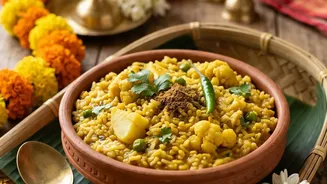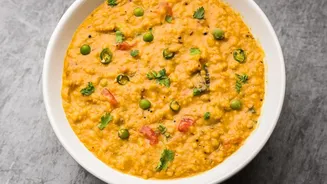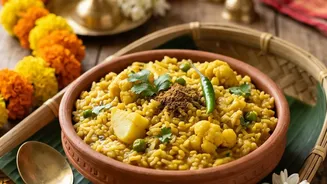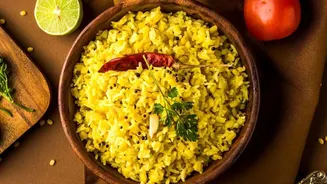

Dalia and Khichdi are staples in the Indian wellness playbook, both hailed as wholesome and comforting. But the debate over which is 'better' for you often misses a crucial detail. The real answer lies not just in the ingredients, but on your plate.
The Contenders: A Quick Intro
In
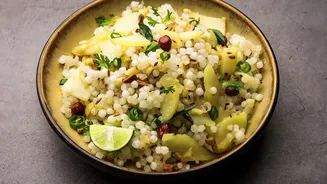
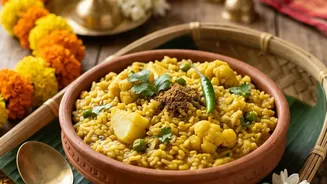
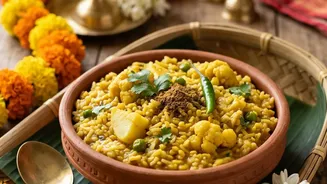
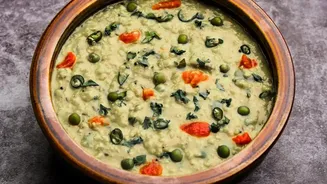
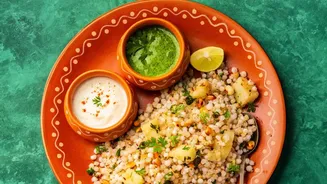
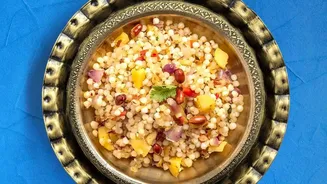
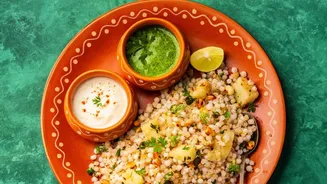
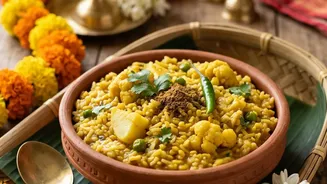
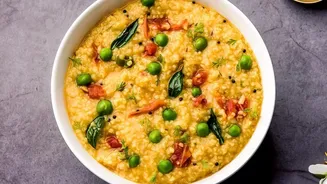
one corner, we have Dalia, also known as broken or cracked wheat. Made by milling whole raw wheat grains coarsely, it's a versatile food that can be cooked into a savoury upma-style dish or a sweet porridge. In the other corner is Khichdi, the quintessential comfort food made by cooking rice and lentils (most commonly moong dal) together. Often seasoned with mild spices and a touch of ghee, it’s revered for being gentle on the stomach. Both are considered healthy, but they serve different nutritional purposes.
The Nutritional Face-Off
On a gram-for-gram basis, uncooked dalia is a nutritional powerhouse. Per 100g, it packs around 12g of protein and a remarkable 12g of dietary fibre. Khichdi's profile changes based on the rice-to-dal ratio. A standard bowl of moong dal khichdi offers a 'complete protein' because the combination of rice and lentils provides all essential amino acids. A typical serving might have around 8-9 grams of protein but significantly less fibre than dalia, usually around 3-4 grams. Calorie-wise, both are moderate when prepared simply. A bowl of vegetable dalia can be around 170-200 calories, while a simple moong dal khichdi is often in the 200-260 calorie range. The preparation, especially the amount of oil or ghee, can drastically alter these numbers.
Fibre and Fullness: The Dalia Advantage
If your goal is weight management or staying full for longer, dalia often has the upper hand. Its high fibre content slows down digestion, promoting a prolonged feeling of satiety that helps prevent overeating. This fibre also aids in maintaining regular bowel movements and preventing constipation. Furthermore, dalia is made of complex carbohydrates and boasts a low glycemic index (GI) of around 41, meaning it releases sugar into the bloodstream slowly. This provides sustained energy and prevents the sharp blood sugar spikes that can trigger cravings, making it an excellent choice for those managing diabetes.
Digestion and Recovery: The Khichdi Comfort
Khichdi shines as the ultimate comfort food for a reason: it's exceptionally easy to digest. The combination of soft-cooked rice and moong dal is famously gentle on the stomach, making it the preferred meal during illness, for older adults, or for anyone with a sensitive digestive system. While a khichdi made with white rice has a higher GI than dalia, the presence of lentils helps to moderate the blood sugar response. Its complete protein profile is also beneficial for muscle repair and recovery, making it a nourishing and strengthening meal.
The Verdict: Portion Size Is King
So, which is better? The answer isn't the food, but the quantity. The 'healthiness' of either dish is completely undermined by a large portion. A big, unrestricted bowl of 'healthy' dalia can easily contain more calories than a small, controlled katori of khichdi. For example, one medium cup of dalia khichdi can be around 280 calories, but doubling that to a large serving pushes it past 560 calories. Similarly, a modest cup of moong dal khichdi might be around 260 calories, but it's easy to overserve. The key to leveraging the benefits of either meal is mindful portioning. Using a standard bowl or katori for serving, rather than eating directly from the cooking pot, can make all the difference.