

What Exactly Is Nordic Walking?
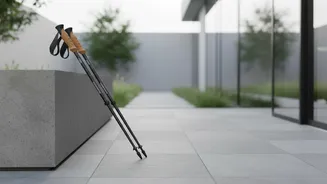
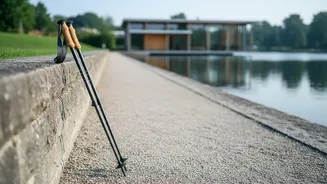
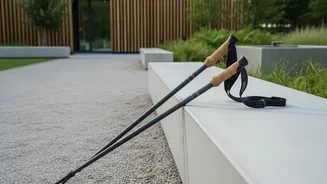
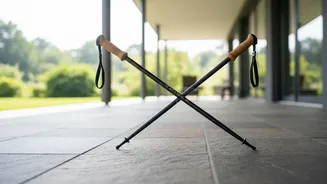
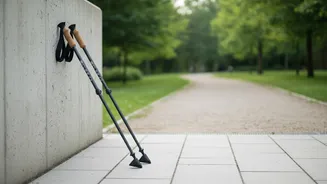
Originating in Finland as a summer training method for cross-country skiers, Nordic walking involves using specially designed poles to propel yourself forward as you walk. Unlike trekking or hiking where poles are often used for stability on rough terrain,
Nordic walking poles are actively used with each stride to engage more muscles. The technique is a coordinated movement where your opposite arm and leg move forward in unison—right arm with the left leg, and vice versa. This rhythmic motion turns a simple walk into a surprisingly effective, low-impact exercise.
The Full-Body Fitness Comeback
So why the revival? The growing popularity of Nordic walking can be attributed to a wider shift towards holistic and sustainable fitness. It's a low-impact activity, making it gentler on the joints—particularly knees and hips—than running or high-impact aerobics. This makes it an ideal choice for people of all ages and fitness levels, including those recovering from injury or managing chronic conditions. In a world seeking efficient workouts, Nordic walking delivers by engaging up to 90% of your body's muscles, burning significantly more calories than regular walking without feeling much harder.
Activating the Upper Body
The headline gets it right: the real game-changer is the upper-body engagement. While regular walking primarily works your legs, adding poles activates the muscles in your arms, shoulders, chest, back, and core. Each time you plant a pole and push off, you're performing a mini workout for your triceps, lats, and deltoids. This constant engagement not only builds upper body and core strength but also helps improve posture by encouraging an upright stance and strengthening the back muscles.
Beyond the Biceps: More Health Perks
The benefits extend well beyond toned arms. Studies have shown that Nordic walking provides a superior cardiovascular workout compared to regular walking, improving heart health and endurance. The use of poles also offers extra stability, enhancing balance and reducing the risk of falls, which is particularly beneficial for older adults. Furthermore, research links regular Nordic walking to a host of other advantages, including reductions in 'bad' LDL cholesterol, anxiety, and chronic pain, while boosting overall quality of life.
Getting Started Correctly
To reap the rewards, proper technique is key. The basic movement involves walking with your arms swinging naturally, keeping the poles angled diagonally backward. As you push off with your foot, you press the opposite pole into the ground behind you to propel yourself forward. A common tip is to keep your shoulders relaxed and maintain a firm grip as you plant the pole, then open your hand slightly on the follow-through. While you can start on your own, a short introductory session with an instructor can help correct common mistakes and ensure you’re maximising the workout from your very first step.