

The Rise of 'Skinification'
There was a time when makeup and skincare lived in separate worlds. Skincare was for nourishing and repairing your skin at night, while makeup was for concealing and colouring it during the day. That era is officially over. Welcome to the age of 'skinification',
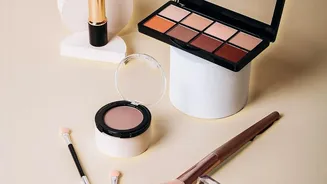
the term for makeup products infused with active skincare ingredients. Think foundations that hydrate, concealers that brighten over time, and lipsticks that heal. This is not just a fleeting trend but a fundamental shift in how we approach beauty. Driven by a post-pandemic focus on wellness and the savvy demands of Gen Z and Millennial consumers, this hybrid approach sees makeup as an extension of a healthy skin routine. The modern Indian consumer is busy, informed, and wants products that offer multiple benefits in one go.
More Than Just Coverage
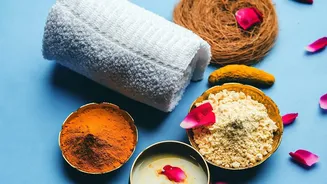
So, what's inside these new-age formulas? The ingredients driving this change are powerhouse actives typically found in dedicated skincare products. Hyaluronic acid is a popular addition for its intense hydrating and plumping effects, often found in serum foundations. Niacinamide, celebrated for its ability to refine pores and improve skin texture, is now appearing in primers and tints. Other hero ingredients include Vitamin C for antioxidant protection and brightening, peptides for supporting skin repair, and ceramides to help maintain the skin's natural barrier. Even traditional Indian ingredients like turmeric and neem are being integrated into modern hybrid formulations, offering anti-inflammatory and purifying benefits alongside cosmetic coverage. The goal is no longer just to look good for a few hours but to ensure your skin is being nourished and protected all day long.
Your New Everyday Essentials
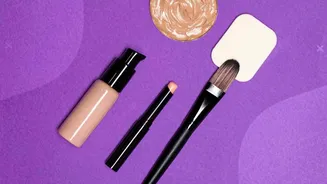
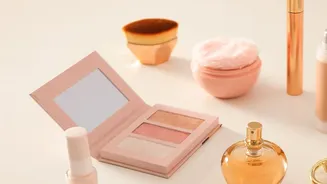
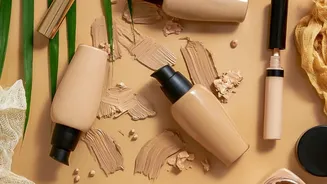
This trend is most visible in the products we use daily. The humble foundation has been upgraded to a 'serum foundation', offering lightweight, breathable coverage packed with hydrating actives. These formulas provide a natural, dewy finish that feels more like a second skin than a heavy mask. Tinted sunscreens have also become a staple, providing essential sun protection along with a hint of colour to even out skin tone, effectively combining two steps into one. Beyond the base, you'll find lip oils and balms enriched with shea butter and nourishing oils that treat chapped lips while delivering a glossy finish. Cream blushes infused with vitamins and plant butters are designed to melt into the skin, giving a healthy, natural flush that cares for your cheeks. These multitasking products are simplifying beauty routines without sacrificing results.
Why the Shift Makes Sense in India
The skinification trend is particularly relevant for the Indian context. For one, consumers are increasingly looking for products that can help protect their skin from urban stressors like pollution. Makeup with added antioxidants provides an extra defensive layer. Secondly, there's a growing preference for a more minimalist, 'no-makeup' makeup look that celebrates, rather than hides, natural skin. Skincare-infused products, with their often sheer and luminous finishes, are perfectly suited for this aesthetic. Finally, the Indian consumer is more knowledgeable than ever. Thanks to social media and endless online resources, people are researching ingredients and demanding transparency from brands. They want to know what they are putting on their skin and are choosing products that align with a long-term wellness philosophy.
A Dermatologist's Perspective
While the beauty industry has embraced this trend, what do skin experts think? Most dermatologists agree that makeup with skincare benefits is a positive development compared to traditional cosmetics, which can sometimes clog pores or cause dryness. These hybrid products can offer an additional layer of hydration and protection throughout the day. However, they also offer a word of caution. Skincare-infused makeup should be seen as a supplement to, not a replacement for, your regular skincare routine. The concentration of active ingredients in a foundation or blush may not be high enough to 'repair' skin concerns like a dedicated serum or treatment would. Think of it as a bonus layer of protection, not the primary solution for your skin's needs.