




The Great Migration to Tier 2 Cities
For years, e-commerce growth was concentrated in India's major metropolitan hubs. But as these markets mature and competition intensifies, companies are turning their focus to the vast, untapped potential of Tier 2 cities like Jaipur, Lucknow, Coimbatore,
and Surat. Recent reports show a significant pivot, with nearly 60% of buyers during major online sales now coming from these smaller cities. This expansion is driven by rising disposable incomes, greater internet penetration, and a growing appetite for the same convenience enjoyed by metro dwellers. To meet this demand, companies are realizing that the old model of shipping from a few massive warehouses is too slow. The new mantra is to get closer to the customer, and that means building a presence directly within these emerging economic centers.
Inside the Micro-Fulfillment Center
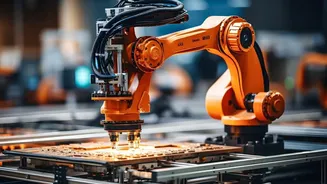
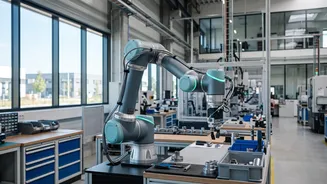
The engine of this rapid delivery network is the micro-fulfillment center (MFC). Forget sprawling, million-square-foot warehouses located on the outskirts of town. An MFC is a compact, highly automated facility, often no larger than a small supermarket, situated deep within a city. These centers are designed for one thing: speed. They use sophisticated software for inventory management and robotics to pick and pack orders, allowing a handful of employees to process a large volume of orders in minutes. By placing inventory just a few kilometers from customers, companies can drastically cut down on last-mile delivery times and costs, making 10 to 30-minute deliveries a reality. Major players like Amazon are investing heavily, planning to expand their network of these specialized fulfillment centers to bring a wider selection of products closer to customers.
A New Wave of Diverse Employment
This logistics revolution is creating a significant recruitment boom, and it's not just about delivery drivers. While last-mile delivery roles are expanding rapidly, the new infrastructure requires a diverse range of skilled professionals. Companies are hiring for roles in warehouse operations, including pickers, packers, and inventory managers who work alongside automated systems. The demand for tech talent is also surging, with a need for supply chain analysts, data scientists, and operations managers to optimize routes, forecast demand, and ensure the entire network runs efficiently. Reports indicate that white-collar hiring in quick commerce is growing, with companies establishing regional command centers in Tier 2 cities for functions beyond just support roles. This creates a spectrum of employment, from entry-level gig work to specialized technology and management careers.
The Ripple Effect on Local Economies
The establishment of these distribution networks has a powerful ripple effect on the local economies of Tier 2 cities. The influx of jobs leads to increased consumer spending, benefiting local shops and services. The demand for real estate, both for the fulfillment centers themselves and for housing for the new workforce, provides a boost to the property market. As these cities become more important economic hubs, they attract further investment in infrastructure like roads and digital connectivity. This cycle of growth helps create a more distributed and resilient national economy, where opportunities are not confined to a handful of megacities. The trend signifies that digital commerce is becoming a critical layer of urban economic infrastructure, connecting smaller businesses and producers in cities like Bhiwadi and Tirupur to national markets.
Challenges on the Road Ahead
Despite the rapid growth, the path forward is not without its challenges. One of the primary hurdles is a mismatch between the skills required and those available in the local talent pool, particularly for specialized tech and analytics roles. Companies face intense competition for experienced professionals, leading to rising salary expectations and high employee attrition. Furthermore, the infrastructure in some smaller cities, including road networks and internet connectivity, can still pose logistical challenges. The long-term sustainability and profitability of the ultra-fast delivery model are also under constant scrutiny, forcing companies to move from a 'growth-at-all-costs' mindset to one focused on operational efficiency and sustainable scaling.