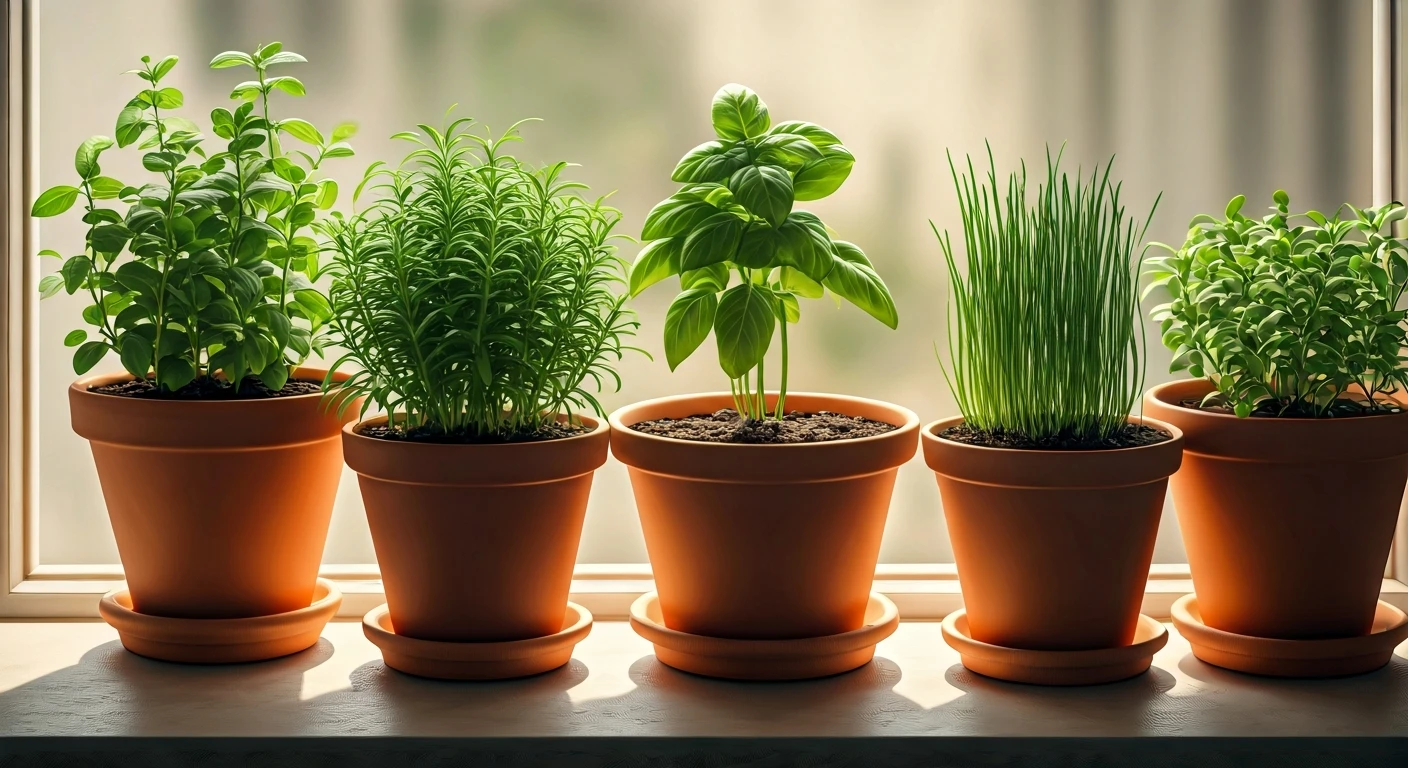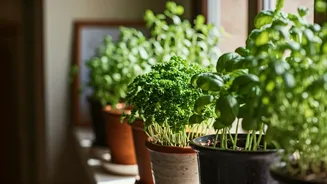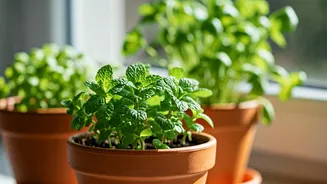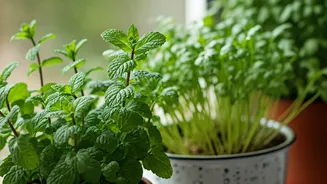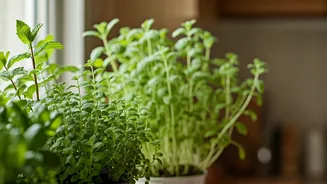



Mint (Pudina): The Resilient Superstar
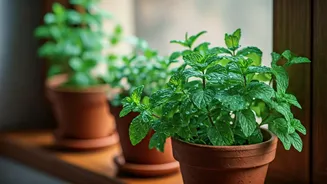
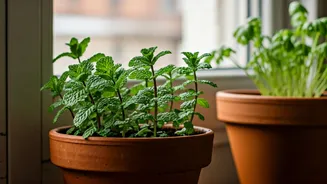
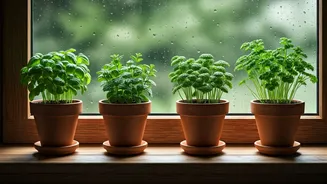
If you are starting your indoor garden journey, mint is your most forgiving friend. Famous for its refreshing aroma in everything from chutneys to summer beverages, mint is notoriously easy to grow. In fact, its vigour is legendary; it is often recommended
to keep it in its own pot to prevent it from taking over. This vigorous nature is what makes it a champion for low-light kitchens. Mint plants actually prefer partial shade, especially during the intense heat of Indian summers. Direct, scorching sun can stress the plant, while a cooler, shadier spot keeps its leaves lush and flavourful. Place your pot near a window that gets indirect light or only a few hours of gentle morning sun. Use a well-draining soil mix and keep it consistently moist, but not waterlogged. Harvest leaves by pinching off the tops; this encourages the plant to grow bushier, giving you a continuous supply for your culinary needs.
Coriander (Dhania): The Essential Garnish
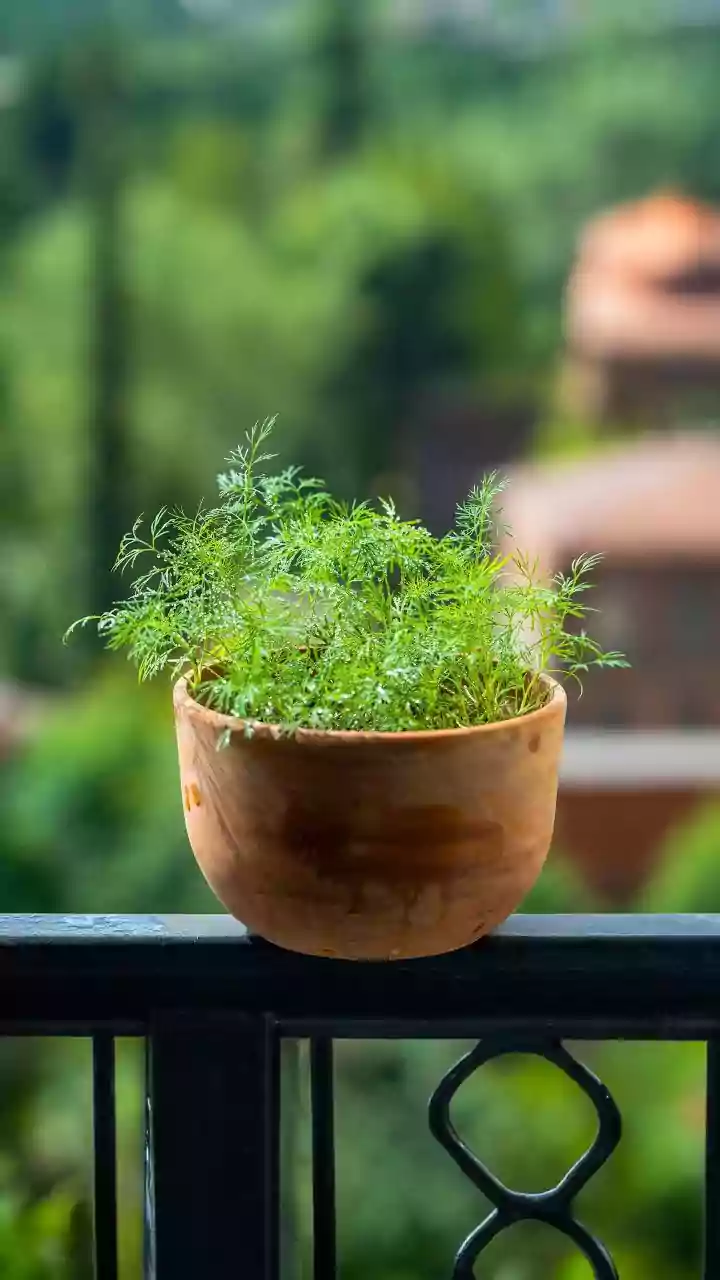
No Indian kitchen feels complete without a ready supply of fresh coriander. While many assume this staple needs bright sun, it actually performs better in cooler, partially shaded conditions. Too much direct heat and sunlight can cause coriander to 'bolt'—flower prematurely—which turns the leaves bitter and ends your harvest. By growing it in a spot that receives moderate or indirect sunlight, you can extend its leafy life. A north-facing window or a spot on your kitchen counter away from direct sunbeams is ideal. Coriander grows quickly from seeds. To ensure a constant supply, sow a new batch of seeds every few weeks. Use a pot with good drainage and water regularly to keep the soil lightly moist. Snip the outer leaves as needed, which allows the inner leaves to continue growing, providing you with fresh dhania for weeks.
Brahmi (Bacopa monnieri): The Wellness Herb
While famous for its significant role in traditional Indian medicine, Brahmi is also an excellent candidate for a low-light herb garden. This creeping perennial is known for its memory-boosting properties, but it’s also a beautiful and easy-to-care-for plant. Naturally, it grows in wet, marshy areas, often in the shade of larger plants, making it perfectly suited for shadier indoor environments. Brahmi thrives in partial sunlight and consistently moist conditions. It is a great choice for a kitchen corner that doesn't see much sun but where you can remember to water it regularly. The plant's small, succulent leaves cascade beautifully over the sides of a pot or hanging basket. You can use the fresh leaves, in moderation, by adding them to smoothies or chewing them raw. Growing Brahmi not only adds greenery but also brings a touch of ancient wellness into your modern urban home.
Turmeric (Haldi): The Surprising Indoor Spice
Growing your own turmeric might sound ambitious, but it's surprisingly achievable indoors, especially because the plant prefers indirect light. Turmeric naturally grows in the understory of forests, protected from direct sun by a canopy of trees, making it well-adapted to shade. While the main prize is the vibrant rhizome (root) that grows underground, the plant's lush, broad leaves are also useful, often used to wrap and steam food in various regional cuisines. To grow turmeric, plant a small, healthy rhizome (with a few buds or 'eyes') in a large, deep pot with rich, well-draining soil. Place it in a bright spot that receives no direct sunlight. The plant loves warmth and humidity, so your kitchen is an ideal environment. Keep the soil consistently moist. While it will take many months for the rhizomes to mature for harvesting, you can enjoy the beautiful tropical foliage as a houseplant all year round.