


The Menu Gets a Makeover
Walk into an urban café today, and you'll notice the menu looks different. The classic coffee and dessert duo, while still present, is no longer the main event. Instead, you'll find extensive sections dedicated to all-day breakfast, savoury small plates,
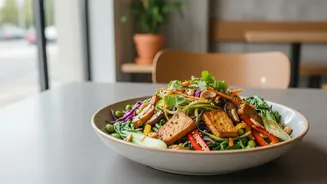
elaborate sandwiches, and vibrant salads. This is a direct response to a fundamental shift in how younger generations view cafés. They are no longer just spaces for an occasional treat but have become versatile, everyday destinations for work, socialising, and full meals. This evolution is pushing operators to reposition their establishments as complete dining spots rather than just beverage stops.
Meet the Drivers: The Digital Generation
This transformation is being driven largely by Millennials and Gen Z. Unlike previous generations, their food choices are shaped by global exposure through social media, a desire for new experiences, and a different rhythm of life. Instagram and other visual platforms have turned dining into a shareable event, where a visually appealing dish has a high chance of going viral and providing organic marketing. This generation actively seeks out novel cuisines and authentic flavours, from Korean-inspired dishes to Mediterranean bowls, influenced by food influencers and online trends. They grew up normalising cafés as regular hangouts and are now demanding menus that reflect their flexible, convenience-driven, yet intentional eating habits.
The Rise of Savoury and Freestyle Dining
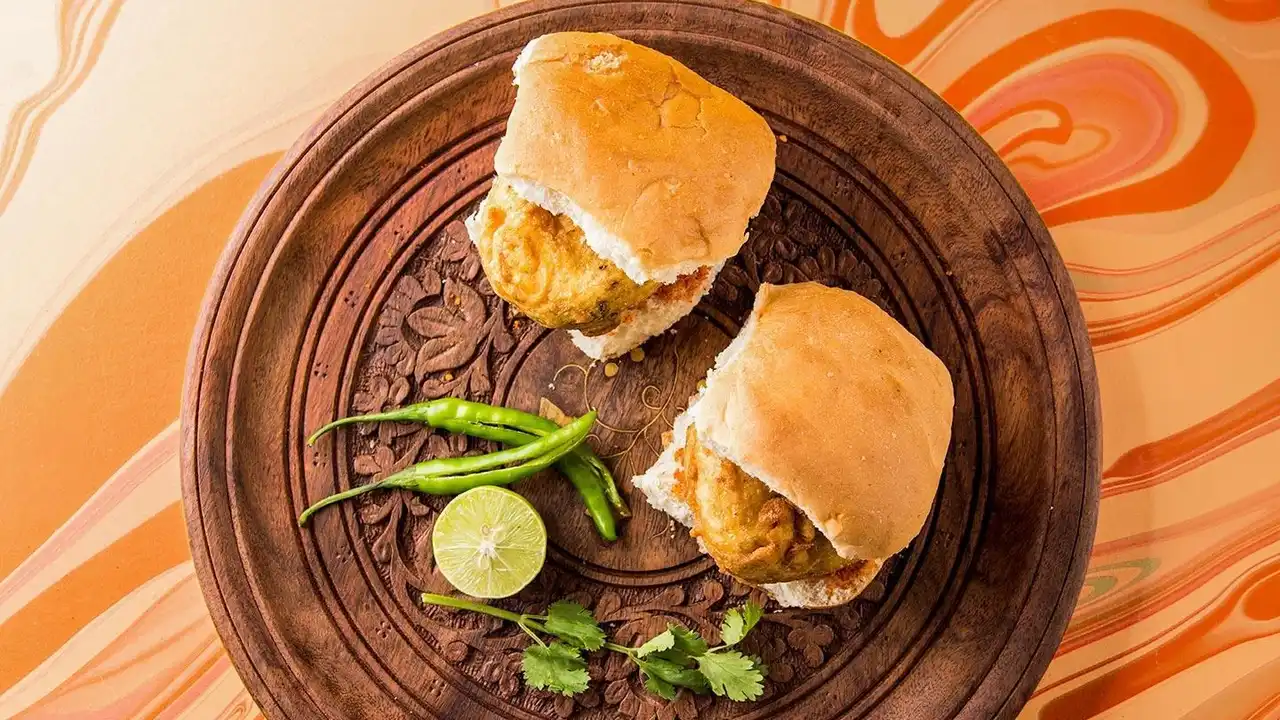
One of the most significant changes is the enthusiastic embrace of savoury food. Café owners report that high-quality sandwiches, small plates, and brunch options are significantly outperforming expectations. This reflects a move towards what some call "freestyle dining," where customers skip structured, heavy meals in favour of lighter, more flexible options that work at any time of day. Menus now feature everything from protein-rich bowls and gourmet toasts to globally-inspired flatbreads, catering to diners who want a complete, satisfying meal that doesn't feel overwhelming. This allows cafés to capture a broader audience and increase the average spend per customer.
Beyond the Basic Brew
Even the beverage menu is expanding. While coffee remains central, the options have diversified far beyond the standard latte. The demand for artisanal and specialty coffee, with a focus on bean origin and roast profiles, is growing. But the real story is the explosion of non-coffee alternatives. Matcha lattes, gourmet herbal teas, and fermented drinks like kombucha are becoming staples. This is partly driven by a broader wellness trend, where young consumers are more mindful of how drinks make them feel. They seek balance, flavour, and novelty, turning the simple act of ordering a drink into a personalised experience.
A Hunger for Health and Authenticity
Underpinning many of these changes is a growing consciousness around health and wellness. Younger diners are actively looking for plant-based, vegan, and protein-rich meals. They are more likely to research ingredients and favour dishes made with fresh, whole foods. This has led to the rise of millet-based dishes, salads as main courses, and a general move towards cleaner eating. However, it's not about extreme dieting. It's about balance and making thoughtful choices. This generation wants food that is not only good for them but also feels authentic and tells a story, blending global curiosity with local comfort.