



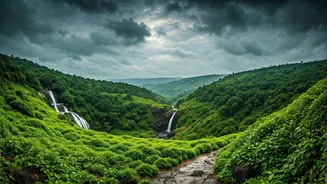


A Different Kind of Paradise
For years, Goa’s monsoon season, typically from June to September, was considered the off-season—a time of quiet retreat from the peak winter crowds. But a shift is underway. Travellers are now actively seeking out the unique charm that the rains bring.
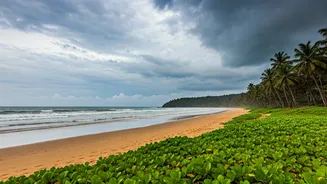
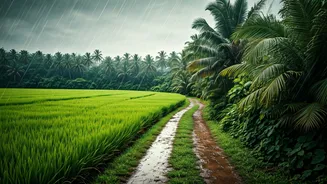
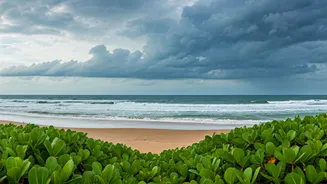
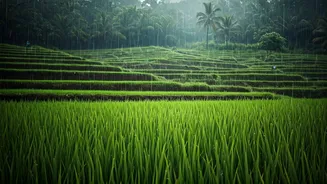
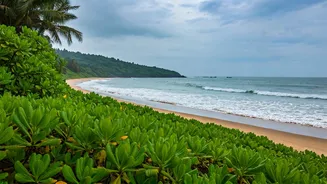
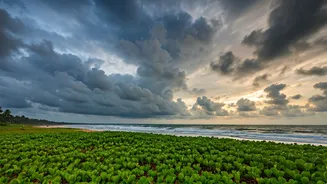
[18, 19] The state sheds its party-centric identity and transforms into a lush, green paradise. [5, 22] This isn't the Goa of packed beaches and sunburns; this is a place for nature lovers, adventure seekers, and those craving tranquility. The absence of crowds means lower prices on flights and luxury stays, making it a budget-friendly escape. [18, 22] The focus shifts from the coastline, where rough seas make swimming unsafe, to the stunning hinterlands. [2, 8]
The Land of Roaring Waterfalls
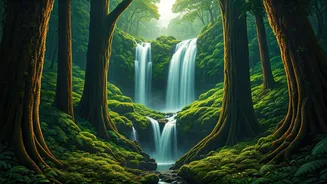
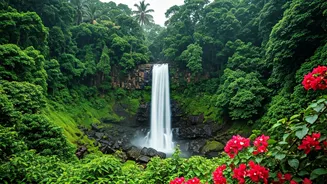
The monsoon is when Goa's waterfalls, fed by the incessant rains, are at their most spectacular. [5] The crown jewel is Dudhsagar Falls, one of India’s tallest waterfalls, which becomes a roaring cascade of white water against the verdant backdrop of the Bhagwan Mahavir Wildlife Sanctuary. [6, 7] Reaching it during the monsoon often involves a thrilling trek through the forest, making the journey as memorable as the destination. [6] Beyond Dudhsagar, numerous other waterfalls like Tambdi Surla, Arvalem, and Netravali come to life, offering accessible treks and stunning photo opportunities. [13, 20] These treks wind through dense forests, past bubbling streams and mist-covered valleys, showcasing the raw beauty of the Western Ghats. [16]
An Adventure Seeker's Playground
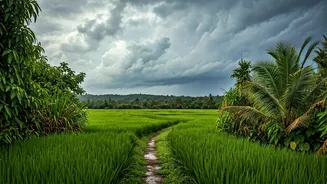
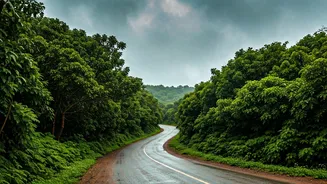
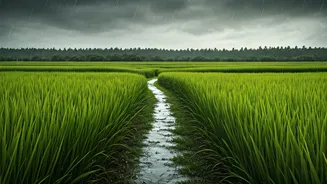
While beach activities are on hold, the monsoon opens up a new set of adventures. The swelling rivers, particularly the Mhadei River, become perfect for white-water rafting, an activity specially organized by the tourism department during this season. [3, 14] Kayaking on the calm backwaters of the Chapora or Sal rivers offers a more serene experience, allowing you to paddle through lush mangrove forests. [2, 23] For those who prefer to stay on land, the rain-softened trails in wildlife sanctuaries like Cotigao and Mhadei are ideal for hiking and birdwatching. [3, 9] Exploring the rural countryside on a bicycle or scooter is another popular activity, with empty roads winding through vibrant green paddy fields and sleepy villages. [2, 9]
A Feast for the Senses
The monsoon is also a time for cultural and culinary immersion. The season kicks off with vibrant festivals like Sao Joao in June, where locals celebrate by jumping into wells and streams. [5, 8] It’s a perfect time to visit Goa’s famed spice plantations in areas like Ponda, which are at their most fragrant and green during the rains. [4, 5] A guided tour offers a sensory experience, often concluding with a traditional Goan meal. [5] The cooler weather is perfect for indulging in hot, spicy Goan curries and freshly caught seafood at local eateries. [8, 23] For a touch of history, a walk through the colourful, rain-washed lanes of Fontainhas, Panjim’s Latin Quarter, feels like stepping into a different era. [22]