






A City Breathing 'Very Poor' Air
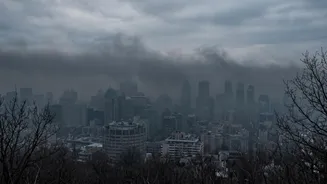
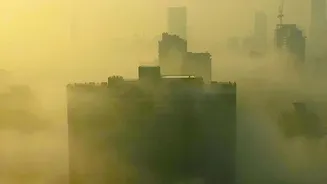
On Thursday, November 12, Delhi’s Air Quality Index (AQI) was recorded in the 'very poor' category, with an overall reading of 323. In several areas, the situation was even worse, with monitoring stations at locations like IIT Delhi recording 'severe'
levels above 400. These numbers are not just statistics; they represent a toxic cocktail of pollutants, dominated by fine particulate matter known as PM2.5. These microscopic particles are small enough to penetrate deep into the lungs and enter the bloodstream, triggering widespread inflammation and oxidative stress throughout the body. While stubble burning in neighbouring states is a contributor, experts note that local sources, especially vehicular emissions, are the dominant cause of the persistent pollution.
The Toll on The Tiniest Lungs
Children are uniquely vulnerable to the devastating effects of air pollution. Because they breathe more rapidly than adults, they inhale a higher volume of pollutants relative to their body weight. This exposure during crucial developmental years can lead to irreversible harm. Doctors have raised alarms about a rise in respiratory illnesses, impaired lung development, and a higher predisposition to asthma. The damage is not limited to the lungs. Growing evidence links air pollution to neurological issues in children, including developmental delays, a higher risk of autism, and impacts on memory and cognitive function. One doctor noted that the prevalence of autism has increased dramatically over the decades, a trend that may be linked to environmental factors like pollution.
The Productive Years Under Strain
For the working-age population, chronic exposure to toxic air translates into a significant burden on health and productivity. The constant assault on the respiratory system can lead to reduced lung function and chronic conditions like COPD, even in non-smokers. Beyond the lungs, the cardiovascular system is at high risk. The inflammatory response caused by pollutants can lead to endothelial dysfunction, where the lining of blood vessels is damaged. This increases the risk of hypertension, heart attacks, and strokes. Furthermore, emerging research points to a connection between air pollution and mental health, with studies showing a higher probability of anxiety and depression in people living in highly polluted areas. This 'brain fog' and cognitive decline affects daily performance and overall well-being.
A Magnified Threat for The Elderly
Delhi’s elderly residents are among the most severely affected during pollution season. With naturally declining lung function and often managing pre-existing conditions, their bodies have a weaker defence against airborne toxins. For seniors with asthma, COPD, heart disease, or diabetes, high pollution levels can trigger acute flareups, leading to a surge in hospital visits and admissions. Doctors report a significant increase in elderly patients suffering from persistent coughs, wheezing, and severe fatigue. The fine particles can strain the cardiovascular system, increasing the risk of palpitations and heart failure in vulnerable individuals. For many, the winter months become a period of forced confinement, robbing them of their mobility and independence.