


More Than Just a Luxury
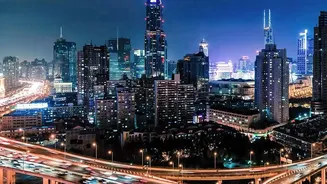
For decades, parks and green areas were often seen as 'nice-to-have' amenities, secondary to the 'hard' infrastructure of roads and buildings. Today, that thinking is rapidly changing. With urban populations in India projected to swell in the coming decades, cities
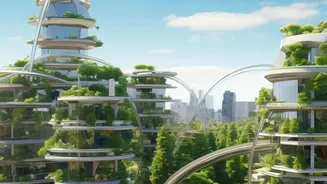
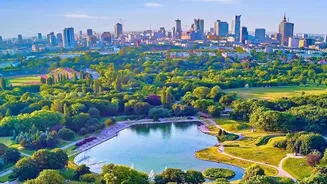
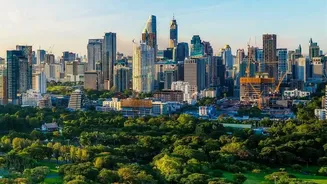
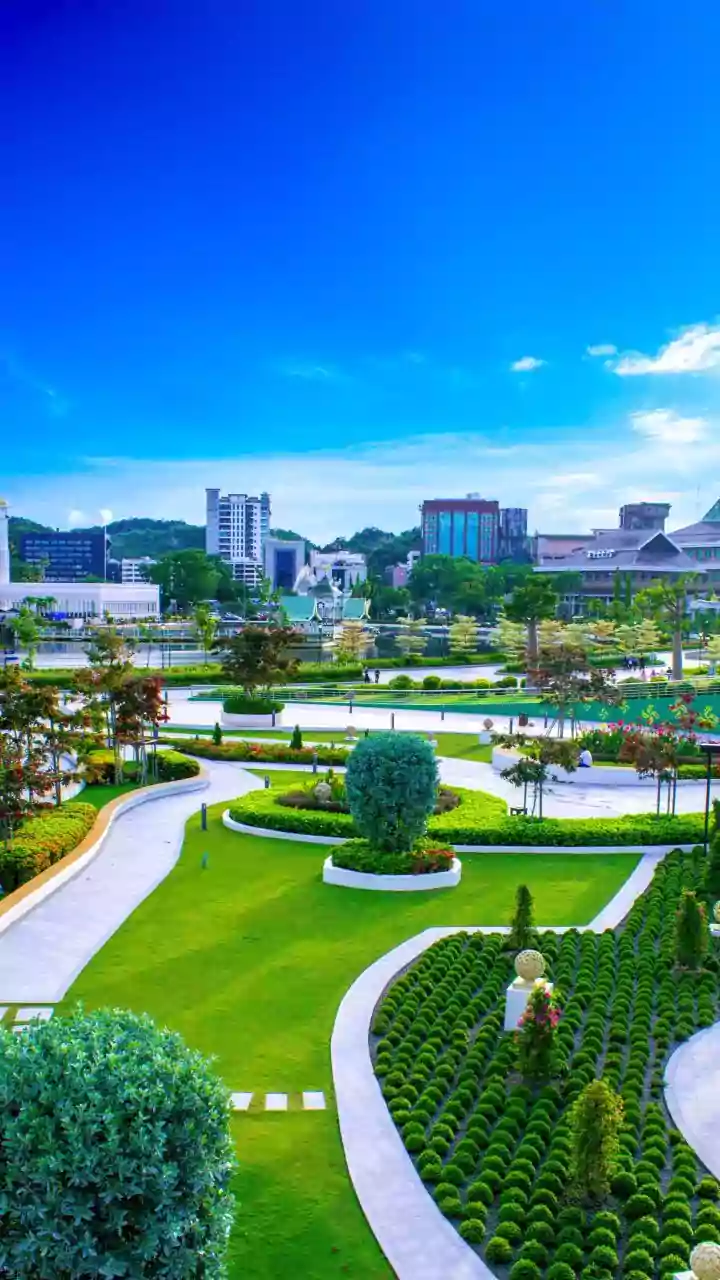
are grappling with unprecedented challenges. Unplanned growth has led to increased pollution, strained resources, and a greater vulnerability to climate change. In this context, urban green spaces—from large parks and community gardens to tree-lined streets and green roofs—are being recognised as essential for building resilience. They are a strategic investment in a city's future, crucial for ensuring it remains liveable, healthy, and sustainable.
A Defence Against Climate Change
One of the most critical roles of green infrastructure is in climate adaptation. Cities, with their vast expanses of concrete and asphalt, absorb and retain heat, creating 'urban heat islands' that can be significantly warmer than surrounding rural areas. This effect exacerbates the danger of heatwaves. Green spaces combat this directly. Trees provide shade and cool the air through a process called evapotranspiration, with some studies showing that areas near parks can be several degrees cooler. They also play a vital role in managing water. Unlike impervious concrete, green areas absorb rainwater, reducing the strain on drainage systems and mitigating the risk of flash floods during heavy monsoon seasons. Furthermore, vegetation acts as a natural filter, cleaning pollutants from the air and water.
An Investment in Public Health
The benefits of green spaces extend deep into community health and wellbeing. Access to nature has a proven restorative effect on the human mind, reducing stress, anxiety, and mental fatigue. In an increasingly fast-paced urban environment, these spaces offer a crucial refuge for relaxation and mental recuperation. They also strongly encourage physical activity. Parks, trails, and recreational grounds provide safe and accessible opportunities for walking, sports, and exercise, which helps combat chronic health issues like obesity and cardiovascular disease. Studies have consistently linked proximity to green spaces with improved physical and mental health outcomes, making them a vital piece of public health infrastructure.
Weaving a Stronger Social Fabric
In the dense and often anonymous landscape of a large city, green spaces serve as crucial community hubs. They are natural mixing grounds where people from diverse backgrounds can interact. Playgrounds bring children and parents together, sports facilities foster teamwork, and community events in parks build a shared sense of identity and belonging. These social connections are the bedrock of strong, resilient communities. By providing common ground for interaction, parks help reduce social isolation and build neighborhood trust. This social cohesion is not just a pleasant byproduct; it's a key component of a community's ability to pull together and support one another, especially during times of crisis.
The Path to a Greener Future
Integrating green spaces into rapidly developing cities like those in India is not without challenges, including competing demands for land and the need for coordinated planning. However, the momentum is building. Initiatives like the national Smart Cities Mission have begun to incorporate urban greening, although a more connected and strategic vision is still needed. Success requires a multi-pronged approach involving government policies that protect and create green areas, private sector innovation in green building, and active community participation. From protecting urban forests to creating small 'pocket parks' in dense neighborhoods, every green space contributes to the overall health of the urban ecosystem. The evidence is clear: greening our cities is one of the most effective strategies for building a more sustainable and resilient future for all.