




The Promise of Gut Health
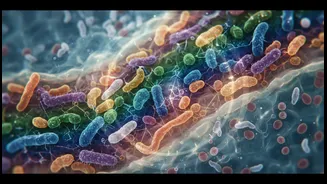
The gut microbiome, a bustling community of trillions of microorganisms in your digestive system, has become one of the hottest topics in wellness. Research has linked this internal ecosystem to everything from metabolism and immune function to mental
health. The excitement stems from a simple, powerful idea: if we can change our gut microbes, we can improve our health. And the most direct way to influence these microbes is through what we eat. This has led to a surge in products and advice aimed at cultivating a 'healthy' gut, often focusing on a few key principles.
Understanding the Big Signals
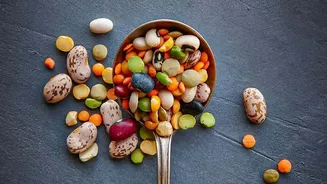
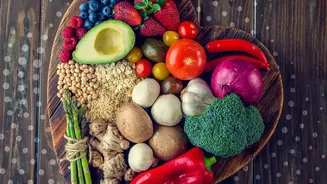
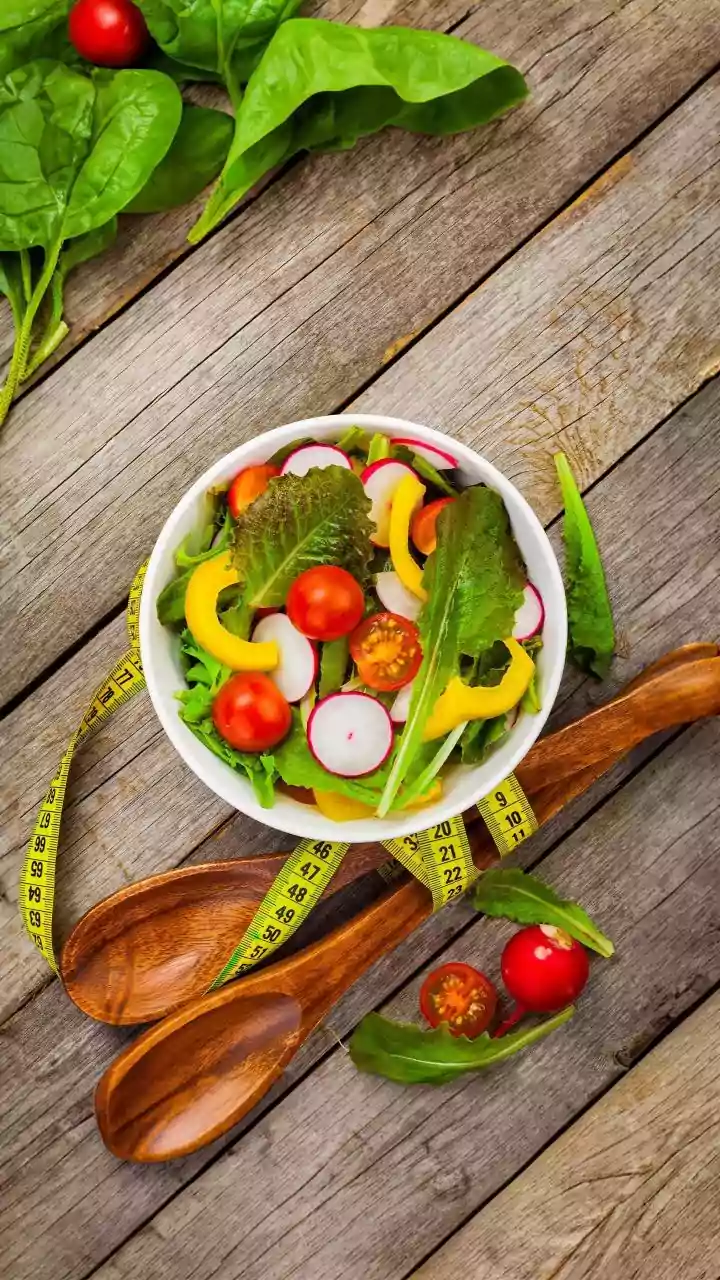
There are indeed some large, reliable signals that science has picked up. The most significant is the role of dietary fibre. Humans can't digest fibre on their own; instead, it passes to the gut where certain beneficial microbes ferment it into short-chain fatty acids (SCFAs). These compounds are vital for maintaining the intestinal barrier and regulating the immune system. Diets rich in a variety of plant-based foods—fruits, vegetables, and whole grains—are consistently linked to a more diverse and robust microbiome. Conversely, Western-style diets, high in processed foods and low in fibre, are associated with reduced microbial diversity, which can leave the gut more vulnerable. These broad strokes are a fantastic starting point for almost everyone.
The Personalisation Puzzle
Here’s where it gets complicated. While the big signals are real, their effects are not universal. Scientists have found that the same meal can trigger vastly different responses in different people. For instance, one landmark study showed that individual gut microbial profiles could predict how a person's blood sugar would respond to the same foods. This means a slice of whole-wheat bread that is perfectly fine for one person might cause a blood sugar spike in another, partly due to their unique microbiome. Diet alone may only explain a fraction—some studies suggest around 10 percent—of the variation between different people's microbiomes. This highlights a crucial fact: general dietary recommendations are a guide, not a gospel.
What Makes Your Gut So Unique?
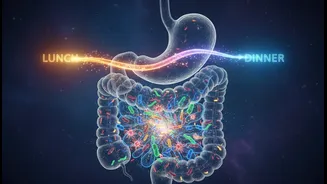
Several factors contribute to this incredible variability. Your baseline microbiome, established from birth and shaped by early life, is a major one. Genetics also plays a role. Beyond that, your lifestyle—including stress levels, sleep patterns, and exercise habits—constantly influences your microbial community. Even the timing of your meals can have an effect, as the gut microbiome has its own daily rhythms. This web of influences means that your gut is a unique ecosystem. Two people can eat identical diets but have very different microbial responses because their internal and external environments are completely different.
Becoming Your Own Gut Health Detective
So, what can you do with this information? Instead of chasing a one-size-fits-all 'perfect diet', the key is to focus on personalized observation. Start with the basics: eat a diverse range of whole, plant-based foods to encourage microbial diversity. From there, pay attention to how you feel. A food diary can be a powerful tool to connect specific foods with your energy levels, digestion, and overall well-being. Think of it as a personal science experiment. While broad dietary patterns like the Mediterranean diet show consistent benefits, the specific foods within that pattern that work best for you may require some self-discovery. The goal is to move from generic rules to an informed, intuitive approach that honours your body's unique signals.