




Meet the Ghost Pepper
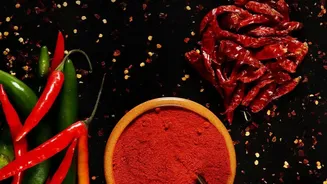
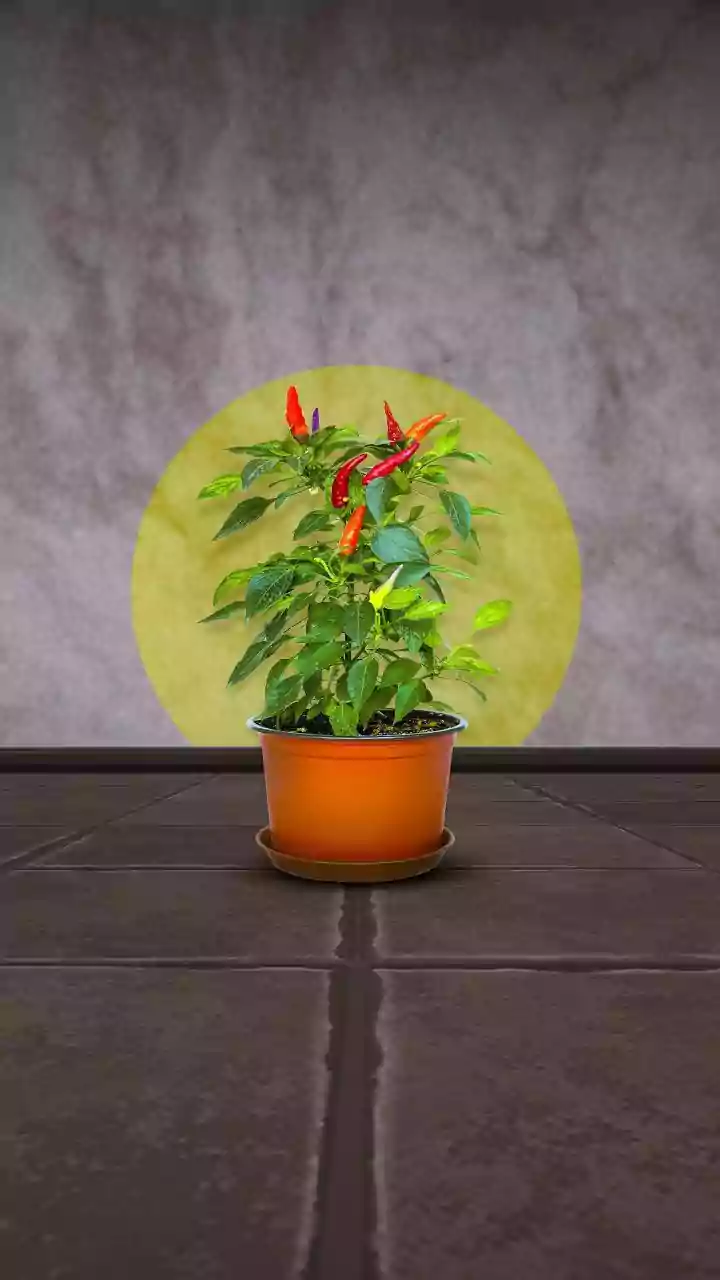
First, a proper introduction is in order. The Bhut Jolokia hails from Northeast India, cultivated for generations in states like Assam, Nagaland, and Manipur. For years, it held the Guinness World Record as the world's hottest chili, clocking in at over
one million Scoville Heat Units (SHUs)—that’s about 400 times hotter than a jalapeño. Its name, which translates to "ghost pepper" in Assamese, is a fitting moniker for its haunting, lingering heat. In its homeland, it's a respected culinary staple, traditionally used in chutneys, curries, and even as a deterrent to keep wild elephants away from crops. It’s not just an ingredient; it's a part of daily life and a symbol of the region's bold flavours.
More Than Just a Mouthful of Fire
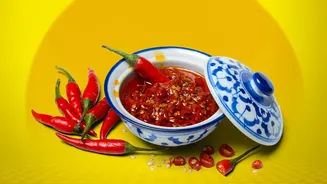
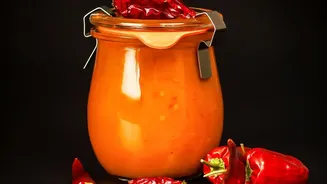
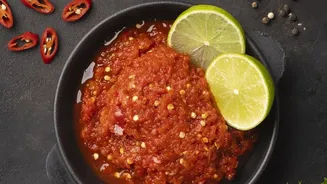
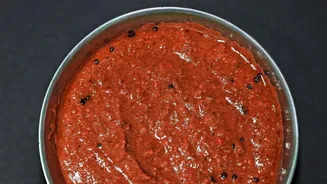
If Bhut Jolokia were only about scorching heat, it would have remained a novelty item for extreme eating challenges. The real reason chefs in bustling city cafes are embracing it is its complex flavour. Beneath the intense spice lies a distinctively fruity, almost sweet, and smoky taste. This unique profile allows it to add not just fire but also character to a dish. Pastes and sauces made from Bhut Jolokia provide a layered flavour experience that you don't get from generic chili powders or sauces. Whether it's the fresh, green variety or the richer, smoked red version, the pepper offers a culinary depth that creative chefs find irresistible. It can elevate a simple mayonnaise, transform a boring marinade, or give a soup a fragrant kick that goes far beyond simple pungency.
The Urban Appeal of Indigenous Ingredients
The rise of Bhut Jolokia in urban menus is part of a much larger, exciting trend in Indian food: the celebration of indigenous, regional ingredients. For a long time, 'premium' in Indian restaurants often meant imported items. Now, chefs and diners are looking inward, finding luxury and novelty in the diverse produce of our own country. Ingredients from the Northeast, like Joha rice, fermented bamboo shoots, and Axone (fermented soybeans), are stepping into the spotlight. Using Bhut Jolokia paste is a way for cafes to signal authenticity and offer something that is both exotic and proudly Indian. It taps into a growing consumer desire for unique stories and traceable, high-quality local products. This chili isn’t just hot; it’s a taste of a specific place, a GI-tagged product from Nagaland that carries a rich cultural history.
How Cafes Are Serving the Heat
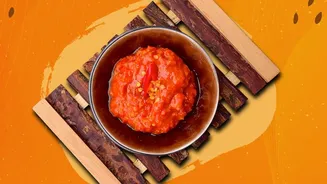
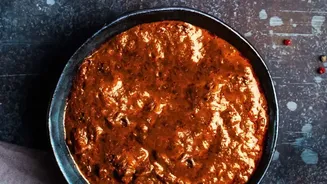
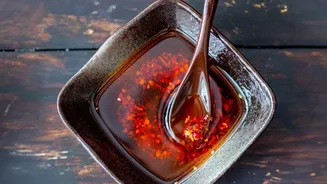
So, how is this fiery paste making its way onto your plate? The applications are surprisingly versatile. You'll find it swirled into dips served alongside fries or nachos, giving a familiar snack a thrilling edge. It’s being used as a glaze for chicken wings, in marinades for grilled sandwiches, and even in the fiery chutneys accompanying momos. Some daring mixologists are even experimenting with it in cocktails for a spicy surprise. The beauty of the paste form is its control; chefs can add just enough to impart that signature smoky flavour and a manageable kick without overwhelming the dish. This allows cafes to introduce the legendary pepper to a wider audience who may be curious but cautious, moving it from a food challenge to a flavour enhancer.