





The Promise of Cleaner Air
The idea that houseplants can clean our air isn't just a hopeful rumour; it's rooted in a landmark 1989 study by NASA. Scientists were looking for ways to purify the air in sealed environments like space stations and discovered that common indoor plants were surprisingly
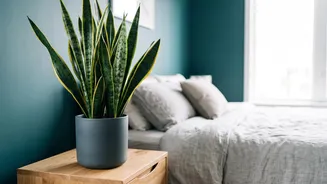
effective. They found that certain plants could absorb harmful volatile organic compounds (VOCs) from the air—chemicals like benzene, formaldehyde, and trichloroethylene, which are often released by everyday household items like paints, furniture, cleaning products, and plastics. Both the Peace Lily and Snake Plant were stars of this study, showing a clear ability to remove these toxins in a controlled lab setting. The Snake Plant, in particular, was noted for its ability to convert carbon dioxide into oxygen at night, making it an excellent candidate for bedrooms.
Reality Check: Your Home is Not a Lab
Before you rush to buy a jungle's worth of plants, there's an important caveat. The NASA study was conducted in a small, airtight chamber. Your home, on the other hand, has natural ventilation—air moving through windows, doors, and cracks. More recent analyses of the research have concluded that to truly replicate the air-purifying effects seen in the lab, you would need an almost impossible number of plants. Some estimates suggest anywhere from 10 to 1,000 plants per square metre of floor space would be required to compete with a building’s natural rate of air exchange. So, while a few plants in your bedroom won't magically scrub the air clean on their own, they do contribute. Think of them not as a primary air filtration system, but as a beautiful, living supplement that offers a host of other benefits.
Meet the Peace Lily (Spathiphyllum)
With its glossy dark leaves and elegant white blooms, the Peace Lily is a favourite for a reason. Beyond its looks, it’s known for targeting pollutants like ammonia, benzene, and formaldehyde. It’s a relatively forgiving plant, making it great for beginners. For Indian homes, place it in bright, indirect light; a spot near an east-facing window is ideal, but it can tolerate lower light levels, though it may not flower as much. It prefers consistently moist soil, but not soggy. Water it thoroughly when the top inch of soil feels dry—roughly once a week in summer and less frequently in the humid monsoon season. Peace Lilies are quite dramatic and will droop to let you know they're thirsty. A well-draining potting mix is essential to prevent root rot, a common issue.
Meet the Snake Plant (Sansevieria)
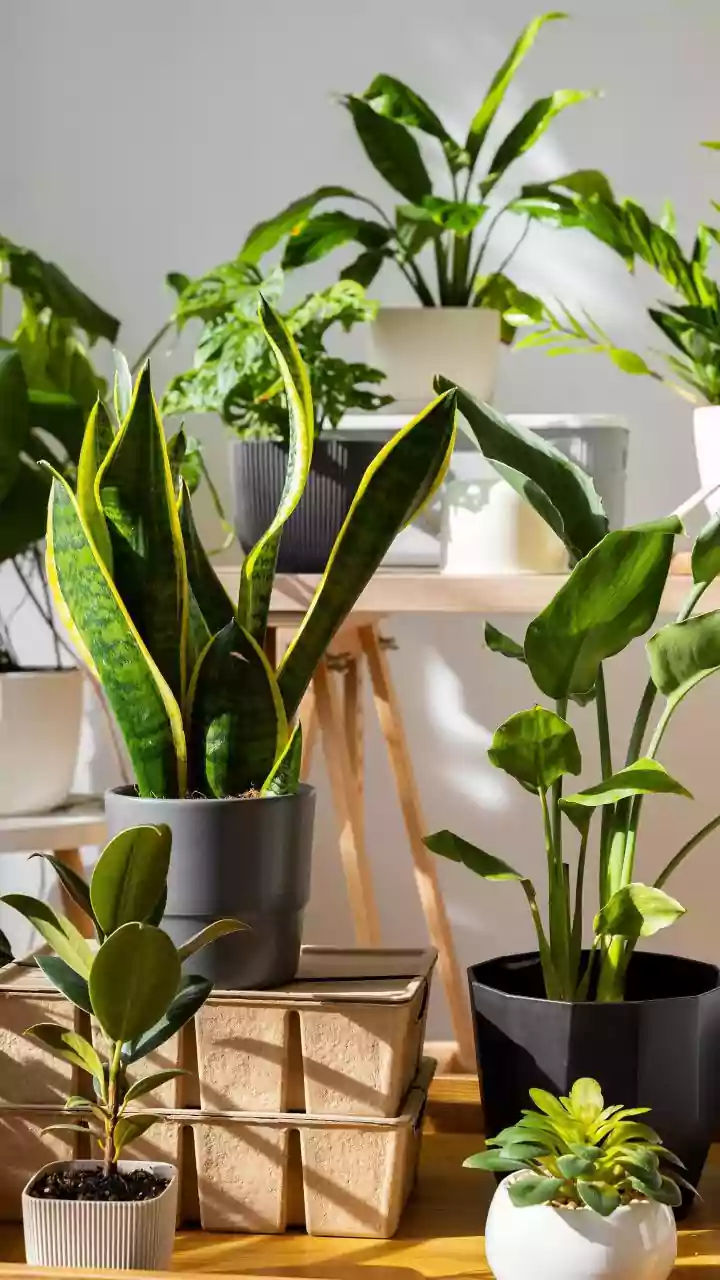
The Snake Plant, also known as Mother-in-Law's Tongue, is the champion of low-maintenance greenery. Its stiff, upright leaves add a modern architectural touch to any room. It's celebrated for filtering formaldehyde, xylene, benzene, and trichloroethylene. Its standout feature is its ability to perform photosynthesis at night, releasing oxygen while you sleep. This plant thrives on neglect. It prefers bright, indirect light but adapts well to low-light corners common in urban apartments. The biggest mistake is overwatering. Allow the soil to dry out completely between waterings—this could mean watering just once every 2-4 weeks in summer and even less in winter or monsoon. It's perfectly happy in the dry air of an air-conditioned room and doesn't require misting. In polluted cities, remember to gently wipe dust off its leaves so it can breathe and photosynthesize efficiently.