



First, Understand Your Light
Before you choose a single plant, become an observer of your own space. 'Bright, indirect light' is a common term, but what does it mean for your flat? Light is the food source for plants, and most have a narrow range of what they can tolerate. A simple
way to test your light is the 'shadow test'. Hold your hand a foot above a plain surface around noon. A sharp, clearly defined shadow means you have bright light. A softer, fuzzy shadow indicates medium light. If the shadow is faint or barely there, you have low light. You can also use phone apps or a light meter for a more precise reading. Pay attention to which direction your windows face. A south-facing window in India gets intense, direct sun, while a north-facing window will offer much less light, making it a low-light environment.
For Low-Light Corners and Dim Rooms
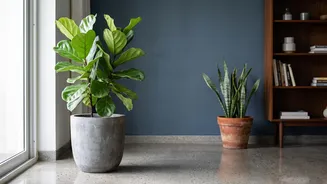
Many Indian apartments have corners or rooms that don't receive a flood of sunlight, but that doesn't mean they must be plant-free. Low-light tolerant plants are your best friends in these situations. The key is to choose species that are naturally adapted to survive in the understory of forests. The Snake Plant (Sansevieria) is nearly indestructible, tolerating infrequent watering and very low light levels. Similarly, the ZZ Plant (Zamioculcas zamiifolia) has glossy, architectural leaves and is so resilient it's often recommended for beginners or frequent travellers. Another classic choice is the Pothos, or Money Plant, whose trailing vines look beautiful on shelves and can handle a wide spectrum of light conditions, including shade. These plants are known for their air-purifying qualities and ability to thrive despite a little neglect.
The 'Just Right' World of Medium Light
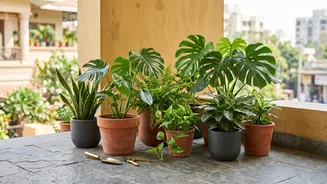
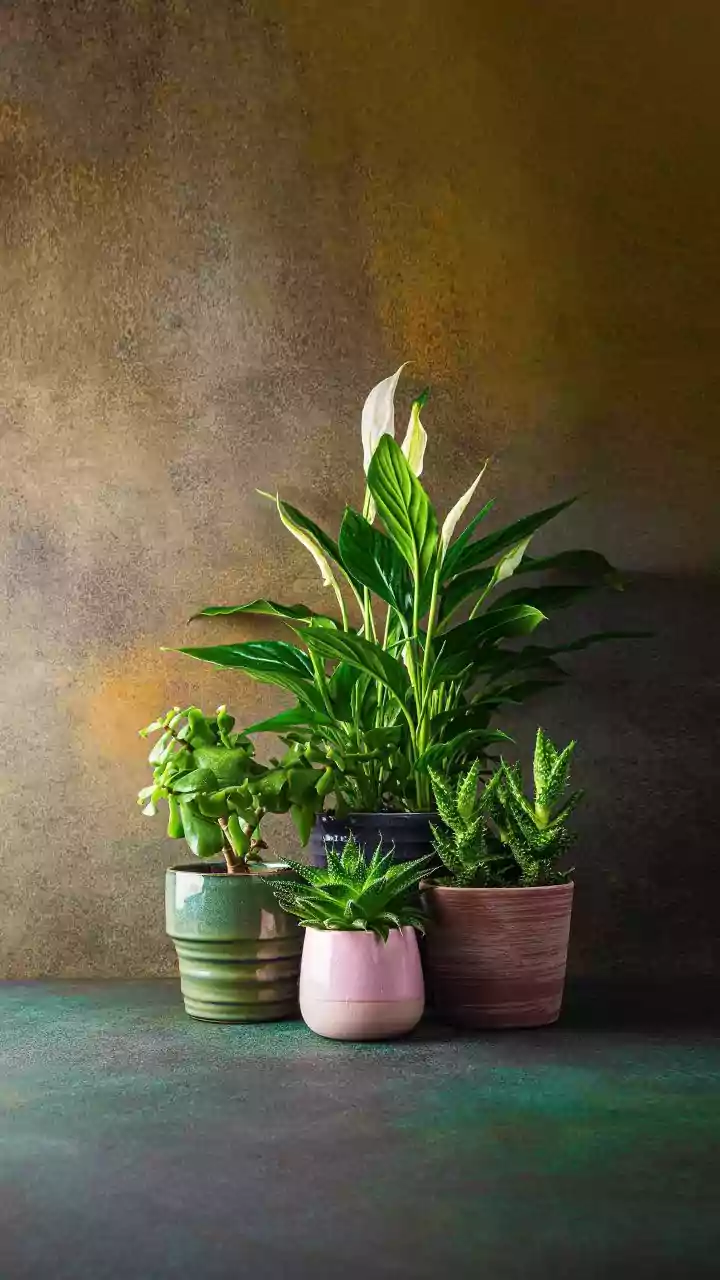
A spot that's a few feet from a bright window or in a room with consistent but not direct sun is considered medium or bright indirect light. This is the sweet spot for a huge variety of popular houseplants. The Peace Lily (Spathiphyllum) is a fantastic choice, as it can produce its elegant white flowers even without direct sun and will visibly droop to tell you when it needs water. Philodendrons, with their heart-shaped leaves, are incredibly adaptable and do very well in these conditions. If you want a larger statement plant, the Areca Palm brings a tropical feel and enjoys the humidity common in Indian homes, thriving in bright, indirect light. The ever-popular Monstera, or Swiss Cheese Plant, also prefers this type of filtered light to prevent its leaves from scorching.
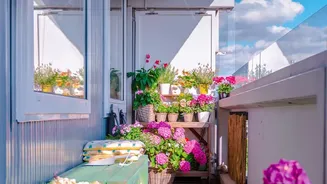
For Sun-Drenched Windowsills and Balconies
If you have a spot that gets several hours of bright, unfiltered light, you can grow a different category of plants. While harsh afternoon sun can be too much for many, some plants will thrive with the extra energy. Aloe Vera is a perfect example; this succulent loves a brighter spot and minimal watering, storing moisture in its leaves. The sturdy Rubber Plant, with its bold, dark leaves, prefers bright indirect light but can handle more sun than many others. Other succulents, like the Jade Plant, also do well with more light and heat. For a flowering option on a sunny balcony, Geraniums can provide beautiful colour, as long as they get plenty of direct sunlight. Just be sure to water these sun-worshippers more frequently, as their soil will dry out much faster.