



The First Question: Fixed or Flexible?
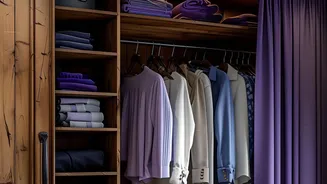
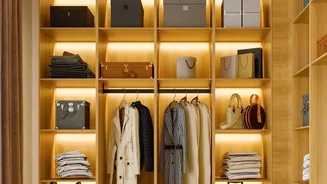
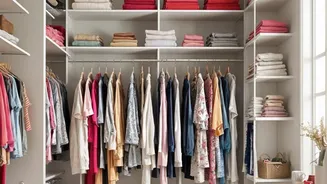
Before you even think about box materials or colours, look at your shelves. Are they fixed in place, or are they adjustable? This single detail is the most important factor in your storage strategy. Adjustable shelves, common in modern wardrobes and pantries,
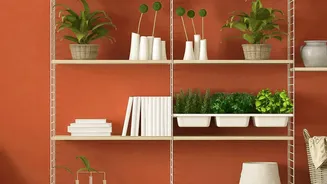
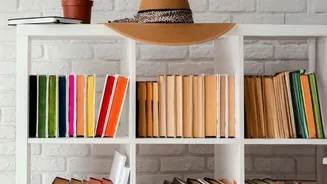
offer incredible flexibility. They allow you to change shelf heights to perfectly match your items, ensuring no space is wasted. If you have tall boots one season and stacks of jumpers the next, adjustable shelves adapt with you. Fixed shelves, often found in built-in bookcases or older furniture, present a different challenge. You are locked into a specific height, which means your choice of storage box becomes much more critical to maximizing the space.
Measure Like a Pro
Once you've identified your shelf type, it's time to measure. Don't just eyeball it. Grab a tape measure and get three key numbers for each shelf space: height, width, and depth. Write them down. For fixed shelves, this measurement is your absolute limit. For adjustable shelves, it gives you a baseline for what's possible. Remember to measure the usable space. Account for any lips on the front of the shelf or hinges that might obstruct a box. A common mistake is buying a box that is technically the right size but can't slide in because of a hinge. It's always better to underestimate the space slightly than to have a box that won’t fit.
Fighting the Wasted Space
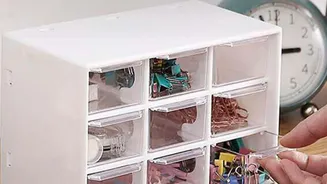
The biggest enemy of fixed shelving is wasted vertical space. If you have a 40cm high shelf but only use it for 20cm tall books, you've lost half your storage potential. This is where the right storage box becomes a hero. Instead of one tall box that might be difficult to rummage through, consider stackable bins or drawers. This allows you to divide the vertical space and access items without unstacking everything. For example, two 18cm tall stackable drawers can turn that 40cm gap into a highly functional, two-tiered system. Look for containers specifically designed for stacking; they will have grooves or rims to keep them securely in place.
Creating a Cohesive System
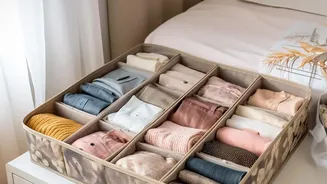
Think of your shelves and boxes not as individual items, but as a complete storage system. If you have adjustable shelves, you have the luxury of choosing your ideal boxes first and then setting the shelf height to match. This allows for a clean, uniform look. If you have fixed shelves, your goal is to find boxes that work together to fill the space efficiently. This might mean using a combination of different sizes. Perhaps one large box for bulky items like spare blankets, and two smaller ones next to it for accessories. Using boxes from the same product family can help maintain a neat aesthetic even if the sizes vary. Choose materials that suit the purpose: clear plastic for items you need to see, and opaque fabric for things you’d rather hide.
When Your Shelves Don't Cooperate
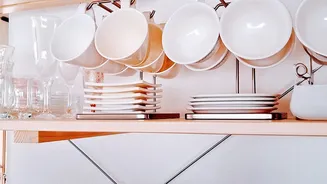
What if you’re stuck with awkward, fixed shelving? Don't despair. There are clever solutions to make them work harder. Shelf risers are a brilliant way to create a second level on a deep or tall shelf, perfect for pantry items or mugs in a kitchen cabinet. Under-shelf baskets can be hung from the shelf above, instantly creating a new storage layer for smaller, lightweight items. For deep shelves where things get lost at the back, using long, narrow bins that you can slide out like drawers makes everything accessible. The goal is to break up large, inefficient spaces into smaller, more manageable zones.