






The Power of Digestive Fire
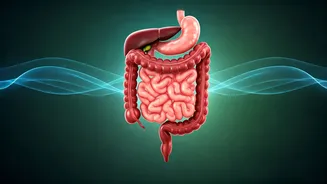
In Ayurveda, the concept of 'agni', or digestive fire, is central to health. This fire is responsible for transforming the food you eat into energy and nutrients. The theory is simple: eating cold or raw foods can dampen this fire, forcing your body to work
overtime just to bring the food up to body temperature before digestion can even begin. A warm meal, on the other hand, supports your agni. It’s like giving your digestive system a head start. Think of it as pre-warmed fuel for your internal engine—it’s more efficient and requires less energy to process, leaving you feeling light and energised, not sluggish and bloated.
Why Freshness Is Key
The 'fresh' part of the equation is just as crucial as the 'hot'. In traditional Indian wisdom, freshly cooked food is considered to have the most 'prana', or life force energy. From a modern scientific perspective, this translates to maximum nutritional value. The moment food is cooked, it begins to lose vitamins and enzymes. Storing food, even in the refrigerator, allows for microbial growth and nutrient degradation. Reheated food, while better than cold food, is never as beneficial as a meal made from scratch. Eating fresh ensures you get the highest quality nutrients and minimises your exposure to bacteria that can upset the delicate balance of your gut microbiome.
Cooking: The First Step of Digestion
The act of cooking is, in essence, a form of pre-digestion. Heat works to break down complex components in food that can be difficult for our bodies to handle. For example, it softens tough plant fibres in vegetables and legumes, which can otherwise cause gas and bloating for many people. It also helps to denature proteins in meat and lentils, unravelling them into simpler structures that our digestive enzymes can access more easily. This process not only makes the food safer to eat by killing harmful pathogens but also increases the bioavailability of many nutrients, meaning your body can absorb and use them more effectively. So, a bowl of hot dal is not just comforting—it’s scientifically optimised for your gut.
The Case Against Cold and Raw
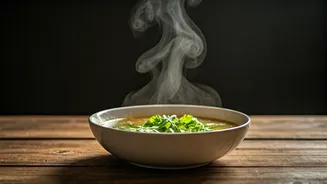
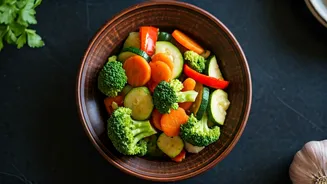
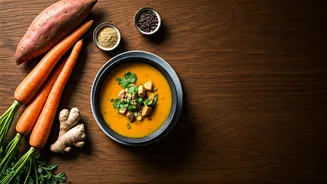
This isn't to say you should never eat a salad or a cold sandwich again. Raw foods are rich in certain vitamins and enzymes that are lost during cooking. However, for individuals with sensitive digestive systems, a diet high in raw and cold foods can be a source of stress. The roughage can be abrasive to the gut lining, and the low temperature demands more digestive energy, potentially leading to symptoms like bloating, gas, or discomfort. If you often experience these issues, swapping a cold salad for a warm soup or a roasted vegetable dish might make a significant difference. It's about listening to your body and choosing what feels best, especially when your digestion feels compromised.
Simple Ways to Soothe Your Gut
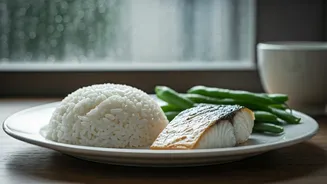
Incorporating this wisdom into your daily life doesn't require a complete overhaul. Start with small, simple changes. Prioritise one freshly cooked hot meal a day, like a traditional lunch of dal, rice, and sabzi. Begin your day with warm water instead of cold. If you're feeling bloated or under the weather, opt for gentle, cooked foods like khichdi, porridge, or clear soups. Pay attention to how your body feels after eating warm, freshly prepared meals versus cold, processed, or leftover ones. This mindful approach allows you to connect with your body’s signals and understand what truly nourishes it from the inside out.