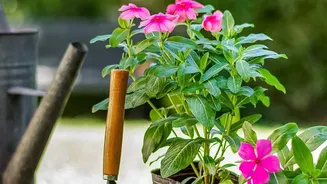







In our fast-paced world, finding a moment of peace can feel like a challenge. Mindful gardening offers a simple, screen-free escape by turning routine plant care into a meditative practice that calms the mind and reconnects us with nature.
1. Reduces Everyday Stress and Anxiety
Life is full
of pressures that keep our minds buzzing. Gardening provides a natural way to disconnect and de-stress. Research shows that interacting with plants can lower levels of cortisol, the body's primary stress hormone. The simple, repetitive tasks of watering, pruning, or checking for new growth act as a form of meditation, shifting your focus from daily worries to the present moment. Studies have found that even short periods of gardening can lead to a greater sense of calm and relaxation. This practice, sometimes called horticultural therapy, is linked to fewer symptoms of anxiety and depression, making it a powerful tool for mental well-being.
2. Sharpens Focus and Encourages Presence
Mindful gardening is an excellent way to practice being fully present. Unlike multitasking, which fragments our attention, caring for a plant demands gentle, focused awareness. Engaging your senses—feeling the texture of the soil, noticing the subtle shades of green on a leaf, or smelling the fragrance of herbs—grounds you in the here and now. This practice helps combat mental fatigue by using what researchers call ‘gentle attention’, which allows your brain to rest and recharge. Over time, this improved concentration can extend beyond the garden, helping you stay more focused in other areas of your life.
3. Fosters a Sense of Purpose and Nurturing
Caring for a living thing, no matter how small, provides a unique sense of accomplishment and responsibility. The daily or weekly routine of tending to plants gives structure to your day and offers tangible rewards for your efforts. Watching a plant thrive and grow under your care can boost self-esteem and counteract feelings of helplessness. This nurturing relationship fosters a connection to the life cycle and provides small but meaningful moments of success. Whether you're growing herbs on a windowsill or tending to a larger garden, the act of nurturing something creates a deep sense of purpose.
4. Provides Gentle Physical Activity
You don’t need an intense gym session to reap the rewards of physical movement. Gardening is a form of moderate, low-impact exercise that engages the entire body. Activities like digging, planting, weeding, and carrying a watering can help maintain flexibility, build muscle strength, and improve cardiovascular health. According to the U.S. Centers for Disease Control and Prevention, just 30 minutes of light gardening can burn a significant number of calories, comparable to walking or yoga. It’s an enjoyable way to stay active without feeling like you're doing a workout, all while getting fresh air and sunlight, which helps the body produce mood-boosting Vitamin D.
5. Engages All Five Senses
Modern life often keeps us stuck in our heads, but gardening pulls us back into our bodies through rich sensory experiences. It’s a holistic activity that engages all your senses simultaneously. Visually, you can observe the vibrant colors of flowers and the intricate patterns of leaves. You can touch the varied textures, from soft petals and rough bark to cool, damp soil. The air may carry the sweet scent of lavender or the earthy smell of wet dirt after watering. You can even hear the symphony of nature, like the rustling of leaves or the buzzing of bees, and taste the fruits of your labor if you grow edible plants. This full-body engagement is a powerful grounding technique that promotes relaxation and a deeper connection with the natural world.