




Before You Go: The Pre-Trip Check
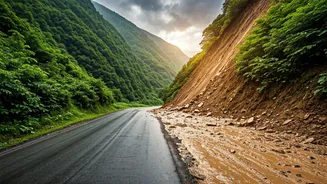
A safe monsoon holiday begins before you even leave the house. First, choose your destination wisely. Some regions, particularly hilly areas like Uttarakhand and parts of Himachal Pradesh, are prone to landslides and flash floods, making them risky during
heavy rains. [10, 15] Always check the latest weather forecasts from a reliable source like the India Meteorological Department (IMD) for both your destination and your travel route. [2] Recent weather events show how quickly conditions can change, with heavy rains causing significant disruption in Mumbai and triggering landslides in ghat areas. [18, 23] Finally, pack smart. Prioritise a solid raincoat, waterproof footwear, and quick-drying clothes. [3] A waterproof cover for your backpack and zip-lock bags for electronics are non-negotiable. [2, 9]
On the Road: Navigating Monsoon Driving
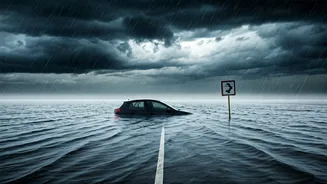
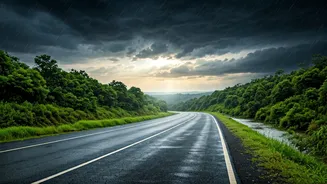
Driving during the monsoon is a serious undertaking. Data from the Ministry of Road Transport and Highways shows a significant spike in accidents during this season due to poor visibility and wet roads. [4] Before any trip, get your vehicle serviced. Pay special attention to tyres for adequate tread depth, brakes, and windscreen wipers. [4, 5, 8] Once on the road, slow down. Wet roads dramatically reduce tyre grip and increase braking distance. [7] Maintain a greater distance from the vehicle ahead. Avoid driving through waterlogged areas if possible, as it's impossible to know their depth or what hazards lie beneath. [3] If your car stalls in water, do not try to restart the engine, as this can cause severe damage. [11] Using low-beam headlights improves your visibility to others without blinding oncoming traffic. [5]
Health and Hygiene on Holiday
The monsoon's humidity creates a perfect breeding ground for germs, making health precautions vital. Water-borne diseases like cholera and gastroenteritis are a major concern. [14, 17] To stay safe, drink only bottled or properly purified water and ensure the seal is intact. [3, 12] Be cautious with street food. While tempting, it's a common source of stomach ailments. Opt for freshly prepared, hot meals from clean-looking establishments and avoid raw or pre-cut foods. [2, 13] Mosquitoes are another menace, spreading diseases like dengue and malaria. [3] Use a reliable insect repellent, wear full-sleeved clothing, especially in the evenings, and consider using a mosquito net if your accommodation is not well-screened. [16, 17]
Outdoor Adventures and Sightseeing
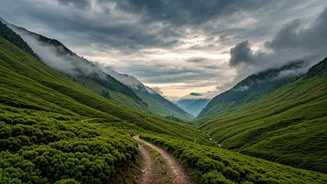
Trekking and exploring nature are popular monsoon activities, but they come with added risks. Stick to known trails and avoid being overly adventurous by taking unexplored routes, which can become treacherous and mucky. [6] A sturdy pair of waterproof shoes with good grip is essential to prevent slips and falls. Inform your hotel or a friend about your itinerary before you head out for a trek. Always carry a basic first-aid kit containing antiseptics, bandages, and any personal medications. [12] Also, pack a power bank to keep your phone charged in case of emergencies, especially since power outages can be more frequent during this season. [9]
Your Monsoon Safety Checklist
To make it easier, here is a quick checklist of essentials: * Clothing: Lightweight raincoat, waterproof shoes, quick-dry clothes, and an extra pair of everything. [2, 3] * Gear: Sturdy umbrella, waterproof bags/covers for electronics and luggage. [9] * Health Kit: First-aid supplies, insect repellent, hand sanitiser, water purification tablets, and any prescribed medications. [12, 13] * Car Prep: Checked tyres, brakes, wipers, and lights. A full fuel tank is also advisable as traffic jams are common. [4, 8] * Information: Reliable weather apps on your phone and emergency contact numbers saved. [2, 3]