





Why Create a Green Balcony?
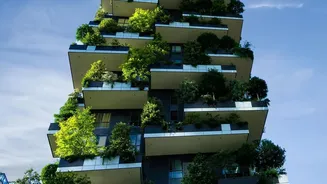
Creating a garden on your balcony is about more than just decoration. These small patches of green in urban settings are vital. For you, they offer a stress-reducing connection to nature, help cool your home, and can even provide fresh herbs. For local
wildlife, your balcony becomes a crucial resting stop and food source in a landscape where natural habitats are shrinking. By choosing native plants, you provide familiar food and shelter to birds, bees, and butterflies, helping to support the local ecosystem. Even the smallest collection of pots contributes to a larger network of green corridors, enhancing biodiversity in the city.
First Steps: Know Your Space
Before you buy any plants, take a moment to assess your balcony. The most important factor is sunlight. An east-facing balcony that gets gentle morning sun is perfect for many flowering plants and herbs. A south or west-facing balcony might get intense afternoon sun, requiring more heat-tolerant plants. Notice how many hours of direct sun your space receives daily. Also, consider the size of your balcony and whether it's exposed to strong wind or rain. This will help you choose not only the right plants but also the right pots—lightweight plastic or fibre pots are often a practical choice for apartments.
Plants for Pollinators: Attracting Butterflies and Bees
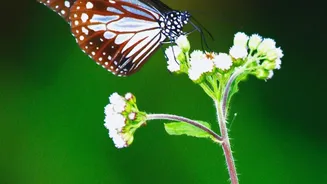
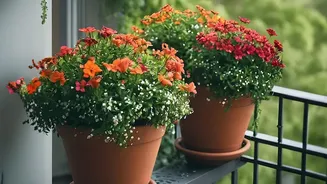
To create a buzz on your balcony, focus on nectar-rich flowers. Butterflies and bees are drawn to bright colours and fragrances. Marigolds (Genda) are a fantastic choice, as they are hardy, love the sun, and their vibrant blooms are a magnet for butterflies. Similarly, native Hibiscus varieties provide a generous supply of nectar for both butterflies and small birds like sunbirds. Other excellent options that thrive in Indian conditions include Lantana, Zinnia, and Cosmos, which provide a steady food supply. Planting in clusters is more effective at attracting pollinators than single plants. Don't forget fragrant favourites like Mogra (Jasmine) and herbs like Tulsi (Holy Basil), Lavender, and Mint, whose small flowers are irresistible to bees.
A Haven for Birds
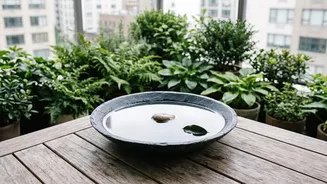
Birds are looking for three main things: food, water, and shelter. You can provide all three on your balcony. Plants with dense foliage offer shelter, while certain species provide food. For instance, planting a curry leaf plant in a pot or even small fruit-bearing plants like pomegranate or guava can attract birds. Flowers like the Bottlebrush and Tecoma (Yellow Bells) are known to attract nectar-feeding sunbirds. Beyond plants, the single most effective way to bring birds to your balcony is by providing a source of fresh water. A shallow dish or earthen bowl filled with clean water is perfect. Adding a few pebbles gives butterflies and small bees a safe place to land and drink.
Creating a Complete Ecosystem
To make your balcony truly wildlife-friendly, think beyond just flowers. Include host plants—species that butterflies use to lay their eggs. A lemon plant, for example, serves as a host for the Common Mormon butterfly. Milkweed is another essential host plant for Monarch butterflies. Using a variety of plants—climbers, shrubs, and flowers—creates a multi-layered habitat. Go vertical with hanging pots and railing planters to maximise your space. Most importantly, avoid all chemical pesticides and herbicides. These can be deadly to the very creatures you're trying to attract. Opt for natural pest control methods like a simple neem oil spray.
Care and Maintenance
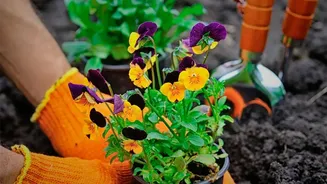
Balcony gardening in India requires attention to soil and watering. Use a lightweight, well-draining potting mix rather than heavy garden soil. A good mix often includes cocopeat to retain moisture and compost for nutrients. Ensure every pot has drainage holes to prevent waterlogging, especially during the monsoon. Check the soil with your finger before watering; water only when the top inch feels dry. Plants in pots can dry out quickly in the summer heat, so they may need more frequent watering. Grouping plants with similar light and water needs together can make maintenance easier and create a thriving green corner.