



The Thirty Thousand Rupee Question
Let's be upfront: a ₹30,000 budget is tight but achievable for a solo backpacker, especially for a trip of about 7 to 8 days. This requires discipline, booking well in advance, and embracing local experiences. The biggest variable will always be your
return flight from India, which can easily eat up half of your budget. To make this work, you need to hunt for flight deals aggressively. The ₹30,000 figure should ideally cover your flight, visa, accommodation, food, and basic activities. It means being frugal, but in a country as affordable as Vietnam, frugal is fantastic.
Flights and Visas: Your First Steps
Your most significant expense will be airfare. Airlines like VietJet Air and IndiGo often have promotional fares, especially if you book 3-4 months in advance. Flights from cities like Kolkata can sometimes be cheaper. Aim to snag a round-trip ticket for around ₹15,000-₹18,000; this is the cornerstone of the budget. For the visa, Indian passport holders can apply for an e-visa online through the official government portal. A single-entry e-visa, valid for up to 90 days, costs approximately US$25, which is about ₹2,100. Avoid third-party sites that charge extra fees and apply directly. The process is straightforward and usually takes 3-5 working days.
Accommodation: Sleep for a Steal
Vietnam is famous for its extensive network of high-quality hostels. In major cities like Hanoi and Ho Chi Minh City, you can find a clean and safe dorm bed for as little as ₹500-₹800 per night. Many hostels offer free breakfast and Wi-Fi, adding even more value. Over 7 nights, your accommodation cost could be as low as ₹3,500-₹5,600. Hostels are also fantastic places to meet other travellers and get local tips, which can save you even more money down the line.
Food: A Feast for Your Wallet
This is where Vietnam truly shines for budget travellers. The street food culture is second to none, offering delicious and authentic meals for incredibly low prices. A hearty bowl of pho or a flavour-packed banh mi sandwich will often cost between ₹100 and ₹200. You can comfortably eat three full meals a day for about ₹500-₹700. For a 7-day trip, a food budget of ₹4,000-₹5,000 is very realistic. Embrace the plastic stools of roadside stalls; that is where you will find the best food and the most authentic experiences.
Transport and Activities: Frugal Fun
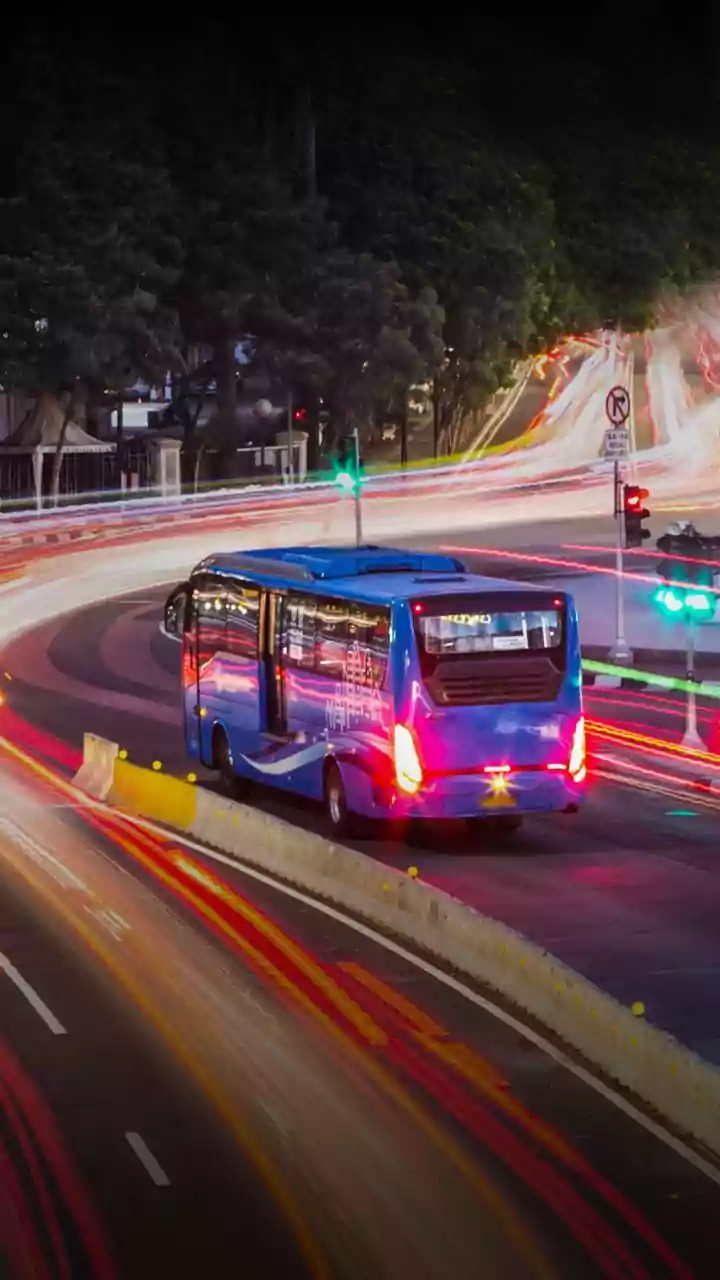
Within cities, ride-hailing apps like Grab offer incredibly cheap motorbike taxis that are perfect for zipping through traffic. For longer distances, sleeper buses are a backpacker's best friend. An overnight journey not only costs very little (often under ₹1,000) but also saves you a night's accommodation cost. Many of Vietnam's best experiences are free or very cheap. You can spend hours wandering the charming streets of Hanoi's Old Quarter, exploring local markets, or relaxing on a beach in Da Nang. Entrance fees for temples and museums are typically minimal. Prioritise free walking tours and limit paid excursions. A budget of around ₹4,000 should cover local transport and a few select activities for the week.
The Final Budget Breakdown
Let's add it all up for a 7-day trip:
- Flights: ₹16,000 (if booked strategically)
- Visa: ₹2,100
- Accommodation: ₹4,500 (at approx. ₹650/night)
- Food: ₹4,900 (at ₹700/day)
- Local Transport & Activities: ₹2,500
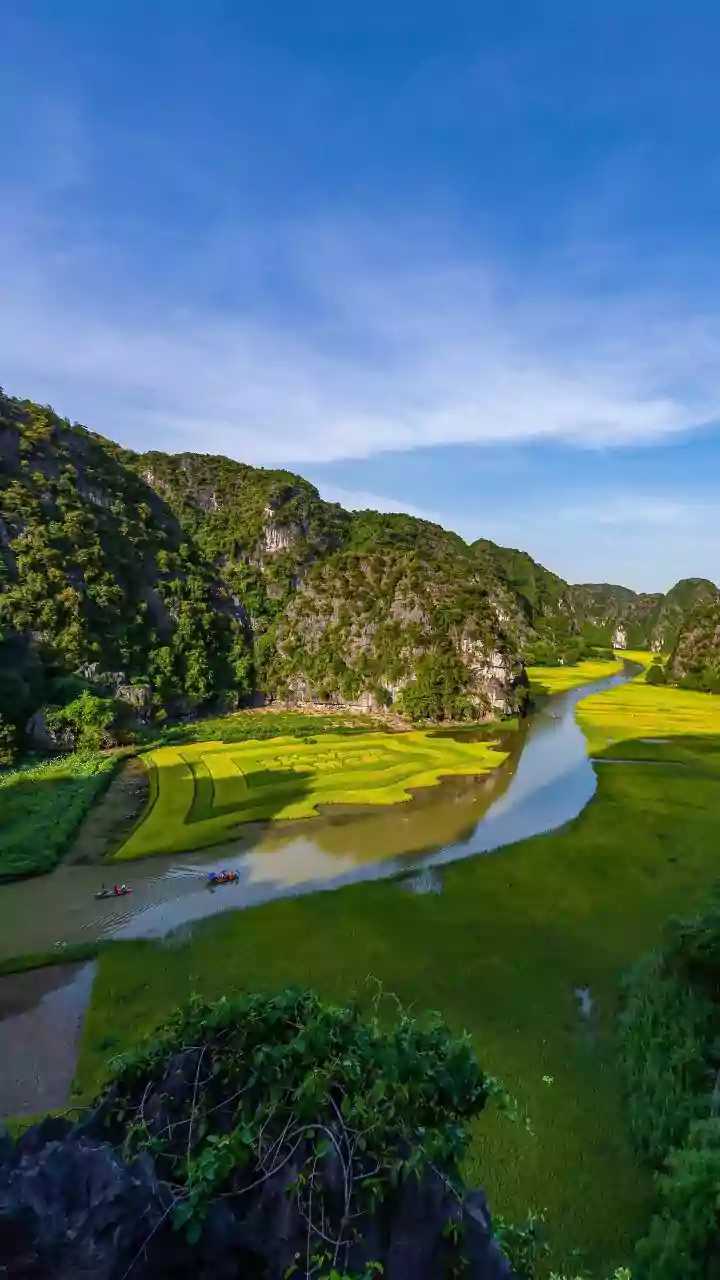
Total: ₹30,000. As you can see, there is not much room for error. This budget leaves little for shopping, nightlife, or expensive tours like an overnight Ha Long Bay cruise. A day cruise or a trip to Ninh Binh booked locally would be a more budget-conscious choice.