


Valley of Flowers, Uttarakhand: A Carpet of Blooms
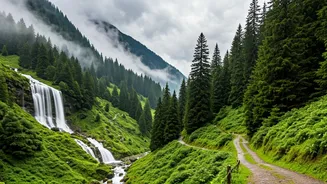
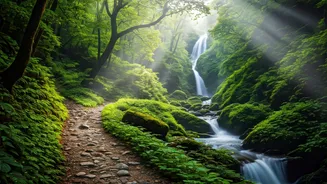
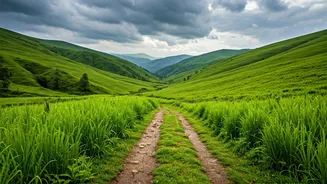
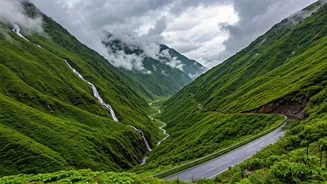
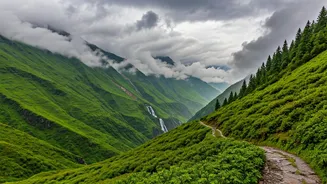
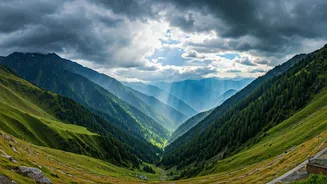
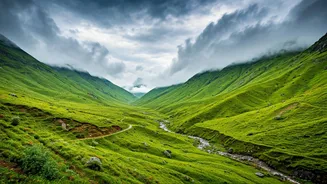
Imagine a high-altitude Himalayan valley blanketed in a riot of colours. That is the Valley of Flowers National Park, a UNESCO World Heritage Site, during the monsoon. This is the season when over 600 species of alpine flowers burst into full bloom, creating
a breathtaking natural tapestry of poppies, orchids, and primulas. The monsoon rains trigger this spectacular floral explosion, making July and August the absolute best time to visit, despite the counterintuitive nature of trekking in the rains. The surrounding mist-covered peaks and the crisp, cool air enhance the trek, making it feel like walking through a living painting. Beyond the flowers, the park's fauna, including the Himalayan black bear and blue sheep, also becomes more active during this time.
Shimla, Himachal Pradesh: The Queen of Hills in the Mist
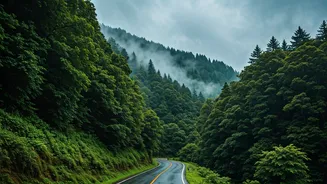
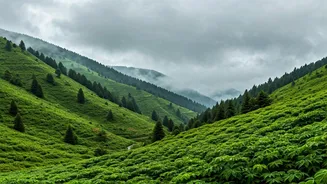
While popular year-round, Shimla, the 'Queen of Hills', dons a unique charm in the monsoon. The usual crowds thin out, leaving the colonial-era architecture of the Mall Road and the Ridge to be enjoyed in peace. The town is enveloped in a romantic, foggy ambiance, with clouds often drifting right onto the streets. The surrounding hills and dense pine forests become intensely green, offering countless shades for the perfect visual treat. It’s the ideal time to take a leisurely stroll with an umbrella, stopping at a cosy café to enjoy hot tea and momos while watching the rain fall. The Chandigarh-Shimla highway is also considered relatively safe from major landslides compared to other routes in the region, making it a more accessible monsoon hill station.
Mussoorie & Landour, Uttarakhand: A Postcard from the Hills
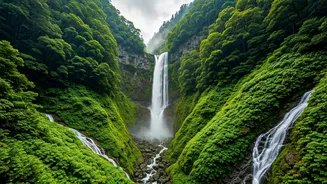
Mussoorie transforms into a lush green paradise during the rains, with waterfalls like Kempty and Bhatta roaring back to life. The peak season rush subsides, allowing for quiet walks along a misty Camel's Back Road or the vibrant Mall Road. You can find a warm 'bhutta' (roasted corn) or a plate of hot momos from street vendors, which tastes even better in the cool, rain-washed weather. For a quieter experience, the adjacent cantonment town of Landour is perfect. Its quaint cafes, like the famous Landour Bakehouse, and colonial-era churches offer a cosy refuge on a rainy afternoon. The views of the valley disappearing behind layers of fog are straight out of a postcard.
Kasauli, Himachal Pradesh: Serene and Green
Kasauli is another gem in Himachal Pradesh that becomes particularly serene during the monsoon months of July to September. The pine forests become intensely lush and the air is filled with the scent of rain. It's a time for peaceful, misty morning walks along trails like the Gilbert Trail. The reduced number of tourists means you can explore attractions like Christ Church and the Heritage Market at a leisurely pace. While a popular destination, Kasauli’s road connectivity remains fairly reliable, though it’s always wise to be cautious on wet paths and check weather updates. The dramatic sunsets against a backdrop of monsoon clouds are a sight to behold from Sunset Point.
Orchha, Madhya Pradesh: A Different Shade of Monsoon
For those who prefer heritage over hills, Orchha in Madhya Pradesh is a spectacular choice. The usually arid landscape turns into a lush green valley, and the Betwa River swells, adding to the dramatic scenery. The magnificent forts, temples, and cenotaphs (chhatris) stand majestically against the dark monsoon sky. Climbing to the top of the Chaturbhuj Temple offers a stunning panoramic view of the entire town enveloped in greenery. The Orchha Wildlife Sanctuary, on the banks of the Betwa, also flourishes, making it a great time for birdwatching. It's a different kind of monsoon beauty, where history and nature come together in a splendid display.