






1. Swap Frying for Steaming or Baking
The quintessential monsoon snack is the pakora, hot and crispy, paired with a cup of chai. But deep-frying in the humid monsoon weather can lead to digestive distress and that all-too-familiar feeling of lethargy. The light twist? Rethink the cooking
method. Instead of deep-frying your vegetable fritters, consider making steamed dumplings like Gujarati muthia, which use similar ingredients (chickpea flour, veggies, spices) but are significantly lighter. Alternatively, baked versions of classic snacks like samosas or vadas, made with a light brush of oil, can deliver that satisfying crunch without the extra grease. You get the same comforting flavours, but your digestive system will thank you for the change.
2. Embrace Lighter Lentils
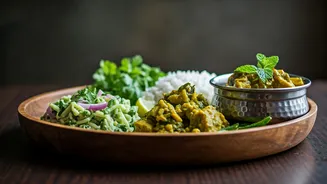
Rich, creamy dals like Dal Makhani or other heavy, butter-laden preparations are staples of comfort. However, during the monsoon, Ayurveda and modern dietetics both suggest opting for lighter, more easily digestible pulses. This is the perfect season to fall in love with moong dal. It’s known for being gentle on the stomach. A simple moong dal tadka, a hearty soup made from split green gram, or even a wholesome khichdi can be incredibly satisfying. You can also explore masoor (red lentils) or toor dal (pigeon peas) in simple, soupy preparations. Season them with digestive spices like ginger, cumin, and asafoetida (hing) to enhance both flavour and digestibility.
3. Rethink Your Greens and Go for Gourds
Leafy green vegetables like spinach and cabbage are nutritional powerhouses, but during the monsoon, they can be problematic. The high moisture content makes them prone to hosting dirt, worms, and other contaminants. It’s often advised to reduce their intake or wash them with extreme care. The ideal monsoon swap is the humble family of gourds. Lauki (bottle gourd), turai (ridge gourd), and parwal (pointed gourd) are hydrating, easy to digest, and cook quickly. Instead of a rich palak paneer, try a simple lauki curry or a flavourful stir-fry with parwal. These vegetables absorb flavours beautifully and form the base for light yet satisfying meals.
4. From Heavy Curries to Light Stews
A thick, creamy gravy made with cashews, cream, or a lot of onions and tomatoes can feel heavy on a damp day. The monsoon twist is to shift your focus from thick gravies to light broths and stews. Think of a light chicken or vegetable stew, seasoned with whole spices like cinnamon, cardamom, and black pepper. In Kerala, this is the season for a simple fish 'moilee', a light coconut milk-based stew, rather than a fiery, thick curry. These soupy preparations are warming, hydrating, and nourishing without being overly taxing on your digestive system. They provide the comfort of a hot meal in a much lighter package.
5. Go for Corn and Root Vegetables
The monsoon brings with it a bounty of specific seasonal produce, and building your meals around them is a naturally light approach. Corn on the cob, or bhutta, is a classic monsoon street food for a reason. It's fibrous, filling, and delicious when simply roasted with salt and lemon. Integrate corn into salads, light soups, or even as a simple side dish. Similarly, root vegetables like sweet potatoes and yams are excellent choices. They can be roasted, boiled, or baked to create satisfying snacks or meal components. A warm sweet potato chaat with a drizzle of tamarind chutney is a perfect example of a healthy yet delicious monsoon treat.