


The Lithium Bottleneck
For years, lithium-ion has been the undisputed king of battery technology, powering everything from smartphones to electric cars. Its high energy density and long life have made it the go-to choice. But this dominance comes with significant drawbacks
for India. The country has very limited reserves of lithium and cobalt, the critical minerals required for these batteries. This means a heavy reliance on imports, exposing India to volatile global prices and geopolitical supply chain risks, with China dominating much of the processing and supply. As India pushes to electrify its massive two- and three-wheeler fleet, this dependence is a major strategic and economic vulnerability.
Enter Sodium-Ion: The Affordable Alternative
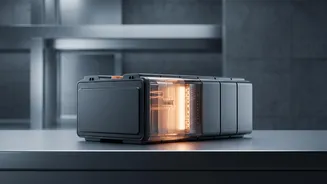
Sodium-ion batteries (SIBs) work on a similar principle to their lithium-ion cousins but use sodium ions as charge carriers. The primary advantage is the raw material itself. Sodium is one of the most abundant elements on Earth, readily available in common salt and soda ash. This makes the core components significantly cheaper. Estimates suggest that once produced at scale, sodium-ion batteries could be 20-30% more economical than current lithium-ion technologies. Furthermore, their chemistry often avoids expensive and ethically challenging minerals like cobalt and nickel, further simplifying the supply chain.
A Perfect Match for Indian Conditions
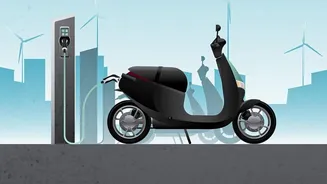
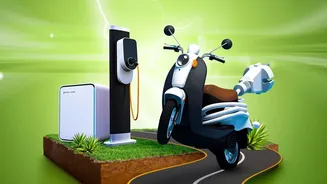
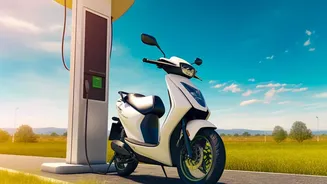
Beyond cost, sodium-ion technology has several characteristics that make it particularly suitable for India. One of the most significant is safety. SIBs have a lower risk of thermal runaway, meaning they are less prone to catching fire—a crucial advantage given India's extreme climatic conditions and the safety concerns that have plagued some electric scooters. They also perform better across a wider temperature range, from freezing cold to intense heat. While they currently have a lower energy density than lithium-ion batteries—making them less ideal for long-range luxury cars—they are perfectly suited for the short-range, high-turnover use cases that dominate Indian transport: electric two-wheelers, three-wheelers, and city buses.
Who is Leading the Charge in India?
Several Indian companies and research institutions are making significant strides in the sodium-ion space. Reliance Industries made a major move by acquiring UK-based pioneer Faradion for an enterprise value of around $136 million and is planning to use the technology at its giga-factory in Jamnagar. This acquisition positions Reliance to become a key player in the global battery market. Meanwhile, startups like the IIT-Roorkee-incubated IndiEnergy are developing innovative solutions, such as using agricultural waste like rice stubble to create the hard carbon needed for battery anodes. This not only creates a domestic supply chain but also addresses an environmental problem. Research institutes like the Jawaharlal Nehru Centre for Advanced Scientific Research (JNCASR) in Bengaluru have also developed ultra-fast charging sodium-ion prototypes.
Challenges on the Road Ahead
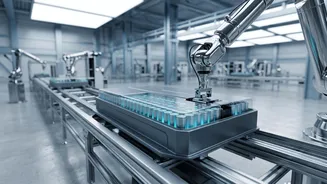
Despite the immense promise, the path to mass adoption is not without hurdles. The technology is still in a relatively early stage of commercialisation compared to the mature lithium-ion industry. China is already moving rapidly to mass-produce SIBs, and India risks falling behind if it doesn't accelerate its efforts. Building a complete domestic ecosystem, from raw material processing to manufacturing cathodes and anodes, requires significant investment and a supportive policy framework. While the government's Production Linked Incentive (PLI) scheme for batteries includes sodium-ion, a more focused push is needed to build market confidence and scale up production.